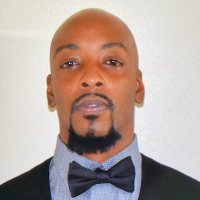
Therapist profile
Andrew Leonard, LCSW
Licensed in Virginia 26 years in practice Online sessions
LCSW - stress and relationship concerns
About Andrew
Andrew Leonard is a Licensed Clinical Social Worker (LCSW) in Virginia with 26 years of experience. He helps people manage stress and anxiety, work through relationship and family concerns, and cope with depression. He also supports people facing trauma, grief, addiction, and difficulties with sleep and intimacy.
Andrew uses straightforward, goal-focused methods to help people notice unhelpful thoughts and try different responses. He draws on Cognitive Behavioral Therapy to map patterns of thinking and behavior.
Background and approach
He also uses client-centered techniques to keep conversations practical and relevant to what the person wants to change. He has worked with a wide range of concerns over many years, including career strain, anger, midlife questions, and coping with life changes. Addiction-related issues such as drug and alcohol problems and smoking or vaping cessation are also within his focus.
He pays attention to communication problems and the specific stresses people name in day-to-day life. When trauma is involved, Andrew integrates approaches meant to reduce the intensity of traumatic memories. He also works with people on relationship tools drawn from the Gottman Method to improve communication and manage conflict.
Mindfulness exercises are used to help steady attention and reduce reactivity. Sessions aim to be concrete and practical. People complete a short matching questionnaire to get started, and scheduling begins after that step.
Costs vary by location and sessions use a subscription that can be canceled at any time.
What Andrew works with
The areas Andrew lists on their profile, in their own terms. If what you would like to work on is not on the list, it is fine to ask about it.
- Stress, Anxiety
- Relationship issues
- Family conflicts
- Depression
- Compassion fatigue
- Addictions
- Trauma and abuse
- Grief
- Intimacy-related issues
- Sleeping disorders
- Parenting issues
- Anger management
- Career difficulties
- Bipolar disorder
- Coping with life changes
- Communication problems
- Drug and alcohol addiction
- Emptiness
- Family problems
- Forgiveness
- Intellectual disability
- Life purpose
- Men's issues
- Midlife crisis
- Money and financial issues
- Mood disorders
- Self-harm
- Self-love
- Smoking / vaping cessation
Methods Andrew lists
- Cognitive Behavioral Therapy (CBT)
- Client-Centered Therapy
- Eye Movement Desensitization and Reprocessing (EMDR)
- Gottman Method
- Mindfulness Therapy
- Motivational Interviewing
- Solution-Focused Therapy
Listing an approach is not evidence of training in it. This directory shows what each therapist names and does not check training records.
How his approaches translate to online work
Andrew commonly uses Cognitive Behavioral Therapy to help people spot thought and behavior patterns that keep problems going. CBT sessions focus on concrete steps - tracking thoughts, testing new behaviors, and reviewing what changed next week. He also uses Client-Centered Therapy to prioritize what the person wants to work on and to keep sessions focused on immediate goals. These conversations tend to be practical and directed by the person's concerns. When trauma is a concern he may use Eye Movement Desensitization and Reprocessing to reduce the emotional intensity of distressing memories; that method combines focused recall with specific procedures to help the person notice shifts in how memories feel.Finding the right mix of methods is part of the work together. The therapist will discuss goals, preferences, and any past experiences with therapy to decide which approaches to use. That decision is collaborative and can change as progress is reviewed.
The original profile does not list specific session formats, so confirm current online options before booking. Online sessions can make it easier to fit therapy into a busy week, shorten travel time, and allow check-ins when face-to-face visits are harder to arrange. Some people prefer a session with video for face-to-face interaction; others choose audio if bandwidth is limited or a shorter check-in is needed. Ask about available formats when you schedule so sessions match your routine.
We will earn a commission if you sign up through our link, at no cost to you. It does not change what you pay or the order of the listings.
Questions people ask about Andrew
What kinds of problems does he work with most often?
He commonly helps with stress, anxiety, relationship and family concerns, and depression, as well as trauma, grief, and addiction-related issues.
How does he use Cognitive Behavioral Therapy?
He uses CBT to identify unhelpful thoughts and behaviors, then tries practical experiments to change them and track results.
What is his professional background?
He is a Licensed Clinical Social Worker with 26 years of professional experience working on a range of mental health and life concerns.
Where is he licensed to practice?
He holds a Virginia LCSW and practices in Virginia.
Does he offer sessions in other languages?
Sessions are offered in English.
What session formats are available?
The original profile does not specify session formats; please confirm current session options before booking.
How does pricing work?
Cost varies with location and sessions use a subscription model that can be canceled at any time.
How do I begin scheduling a session?
Start by selecting the See online therapy options button, complete the short matching questionnaire, and then schedule a first session.