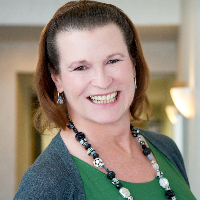
Therapist profile
Abigail Borquaye, BACP
Registered with BACP 19 years in practice Online sessions
BACP counsellor - relationships and family
About Abigail
Abigail Borquaye is a BACP counsellor in the United Kingdom with 19 years of experience. She focuses on relationship and family concerns and sees people for issues such as depression, anxiety, bereavement and trauma. Sessions are offered in English and Twi and Abigail accepts international clients.
She uses an integrative approach grounded in a client-centred framework. That means conversations start with what the person brings and then practical steps are added.
Background and approach
Cognitive Behavioural Therapy is one of the methods she draws on to notice unhelpful thoughts and try different responses. Abigail has long experience supporting women and families prior to her professional training. Much of her work has involved people referred by GPs and those attending local drop-in sessions in west London.
This background informs a straightforward, problem-focused way of working. Common areas she helps with include relationship conflict, domestic violence, childhood abuse and grief. She also supports people facing addiction, career strain, parenting pressures, and feelings of emptiness or stigma.
Practical coping and clearer communication are frequent themes in sessions. Her style combines short-term solution-focused techniques with deeper work from psychodynamic and attachment-based ideas. Emotionally-Focused Therapy ideas are used when intimacy and attachment are central.
The approach aims to map clear steps a person can try between sessions, and to revisit what helps most over time.
What Abigail works with
The areas Abigail lists on their profile, in their own terms. If what you would like to work on is not on the list, it is fine to ask about it.
- Relationship issues
- Family conflicts
- Trauma and abuse
- Self esteem
- Depression
- Stress, Anxiety
- Addictions
- Grief
- Intimacy-related issues
- Parenting issues
- Anger management
- Career difficulties
- Bipolar disorder
- Coping with life changes
- Coaching
- Compassion fatigue
- Abandonment
- Attachment issues
- Avoidant personality
- Blended family issues
- Cancer
- Caregiver issues and stress
- Codependency
- Commitment issues
- Communication problems
- Control issues
- Dependent personality
- Divorce and separation
- Domestic violence
- Drug and alcohol addiction
- Emptiness
- Family problems
- Fatherhood issues
- Fertility issues
- Forgiveness
- Guilt and shame
- Immigration issues
- Infidelity
- Isolation / loneliness
- Jealousy
- Life purpose
- Midlife crisis
- Money and financial issues
- Narcissism
- Obsessions, compulsions, and OCD
- Post-traumatic stress
- Prejudice and discrimination
- Self-harm
- Self-love
- Sexual assault and abuse
- Social anxiety and phobia
- Women's issues
- Workplace issues
- Young adult issues
Methods Abigail lists
- Cognitive Behavioural Therapy (CBT)
- Attachment-Based Therapy
- Client-Centred Therapy
- Emotionally-Focused Therapy (EFT)
- Psychodynamic Therapy
- Solution-Focused Therapy
- Trauma-Focused Therapy
- Internal Family Systems
Listing an approach is not evidence of training in it. This directory shows what each therapist names and does not check training records.
How her approaches translate to online work
Abigail draws on Cognitive Behavioural Therapy to identify unhelpful thoughts and test alternative ways of responding. CBT is practical and often includes short exercises and homework to try between sessions, which can fit well with remote sessions. Attachment-Based Therapy is used when relationship patterns and early bonds are central; it focuses on understanding how past relationships shape current reactions and can guide changes in how people relate to others. Finding the right approach is part of the work. Abigail will discuss goals and preferences with each person and choose methods together. That collaborative planning may combine brief, solution-focused steps with deeper exploration depending on what is most useful. The practical benefits of online sessions relate to fitting therapy into everyday life. Confirm the exact session formats before booking, as the profile does not list them. People often choose remote sessions because they can be scheduled around work, reduce travel time, or make short check-ins easier. Telephone options can use less bandwidth and can be simpler for quick follow-ups, while video sessions allow face-to-face conversation and visual cues. Registered and accredited professionals can adapt exercises, notes and between-session tasks to work clearly across these formats.We will earn a commission if you sign up through our link, at no cost to you. It does not change what you pay or the order of the listings.
Questions people ask about Abigail
What kinds of problems does she help with?
She works with relationship and family concerns, including bereavement, trauma, domestic violence, depression and anxiety, as well as addictions and career or parenting stress.
How would she describe her therapeutic style?
She follows an integrative, client-centred framework and uses practical steps from other approaches to address immediate problems.
How much experience does she have?
She has 19 years of experience working with people in community and GP-referred settings, and with women and families prior to qualifying as a counsellor.
What are her credentials and where is she based?
She is a member of the British Association for Counselling and Psychotherapy (BACP) and works in the United Kingdom.
Which languages are supported in sessions?
Sessions are offered in English and in Twi.
What session formats are available?
The original profile does not list specific session formats; please confirm current session options before booking.
How is cost handled?
Session cost varies with location and uses a subscription model that can be cancelled at any time.
How do I start working with her?
Select the See online therapy options button, complete a short matching questionnaire, and schedule a first session.