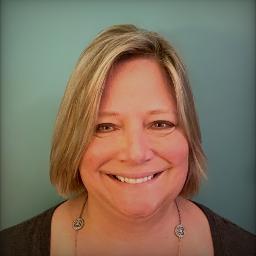
Therapist profile
Capus Barnett, LCSW, CSW
Licensed in Georgia 5 years in practice Online sessions
LCSW in Georgia - Stress and Anxiety
About Capus
Capus Barnett is a Licensed Clinical Social Worker (LCSW) in Georgia with five years of practice. He focuses on stress, anxiety, grief, depression, addiction, relationship concerns, trauma and related issues that affect daily functioning. He works with individuals on practical changes and coping skills to manage intense feelings and difficult situations.
He uses a solution-focused mindset that aims for concrete steps and measurable changes. Sessions look at patterns of thinking and behavior that keep problems going.
Background and approach
He pulls from Cognitive Behavioral Therapy (CBT) to notice unhelpful thoughts and try different responses. Other approaches he uses include Acceptance and Commitment Therapy and Attachment-Based methods to address values and close relationships. In sessions he helps people sort priorities, plan small experiments, and practice new ways to respond.
That might include setting short-term goals, practicing grounding or emotion regulation skills, and reviewing what did or did not work. He also addresses practical life problems like parenting stress, work challenges, money concerns, and issues related to adoption or fatherhood.
His background includes work with substance use and first responder issues, as well as matters such as gender dysphoria, HIV/AIDS, and hearing impairment. He offers clinical support around intimacy, jealousy, infidelity, hoarding, and communication difficulties. His approach is straightforward and action-oriented, with an emphasis on what people can try between sessions.
Sessions are conducted in English and follow a subscription model that can be canceled at any time. Prospective clients begin by completing a short matching questionnaire and scheduling a first session.
What Capus works with
The areas Capus lists on their profile, in their own terms. If what you would like to work on is not on the list, it is fine to ask about it.
- Stress, Anxiety
- Addictions
- LGBT
- Grief
- Depression
- Relationship issues
- Family conflicts
- Trauma and abuse
- Intimacy-related issues
- Parenting issues
- Anger management
- Self esteem
- Career difficulties
- Bipolar disorder
- Coping with life changes
- Coaching
- Compassion fatigue
- ADHD
- Adoption and foster care
- Communication problems
- Drug and alcohol addiction
- Family problems
- Fatherhood issues
- First responder issues
- Gender dysphoria
- Hearing impaired
- HIV / AIDS
- Hoarding
- Infidelity
- Jealousy
- Men's issues
- Veteran and Armed Forces Issues
- Money and financial issues
- Multicultural concerns
- Obsessions, compulsions, and OCD
- Panic disorder and panic attacks
- Polyamory / non-monogamous relationships
- Prejudice and discrimination
- Seasonal Affective Disorder (SAD)
- Social anxiety and phobia
- Young adult issues
Methods Capus lists
- Cognitive Behavioral Therapy (CBT)
- Acceptance and Commitment Therapy (ACT)
- Attachment-Based Therapy
- Client-Centered Therapy
- Dialectical Behavior Therapy (DBT)
- Emotionally-Focused Therapy (EFT)
- Existential Therapy
- Gottman Method
- Motivational Interviewing
- Narrative Therapy
- Psychodynamic Therapy
- Solution-Focused Therapy
- Trauma-Focused Therapy
Listing an approach is not evidence of training in it. This directory shows what each therapist names and does not check training records.
How his approaches fit into online sessions
Capus commonly draws on Cognitive Behavioral Therapy to identify and change thought and behavior patterns that contribute to anxiety, depression, and stress. CBT focuses on noticing automatic thoughts, testing them, and trying new behaviors to reduce distress.He also uses Acceptance and Commitment Therapy, which helps people clarify values, accept difficult feelings, and commit to actions that matter to them. Attachment-Based approaches are used to look at patterns in close relationships and how past connections shape current interactions.
Choosing the right approach is a collaborative process. He will talk with the client about goals, try strategies, and adjust methods based on what helps. Clients can expect to set concrete goals, try short experiments between sessions, and review progress together.
The original biography indicates sessions are offered via live chat. Confirm current session formats before booking to make sure they fit your routine. Online sessions can make it easier to fit therapy into a workday, allow brief check-ins when schedules are tight, and reduce travel time, which helps sustain regular practice and follow-through.
We will earn a commission if you sign up through our link, at no cost to you. It does not change what you pay or the order of the listings.
Questions people ask about Capus
What concerns does he address most often?
He commonly works with stress, anxiety, depression, grief, addiction, trauma, and relationship or intimacy-related issues.
How does he use Cognitive Behavioral Therapy?
He uses CBT to help people notice unhelpful thoughts and test new ways of responding through small behavioral experiments.
What is his professional background?
He has five years of clinical experience and holds the credentials LCSW and CSW, practicing in Georgia.
Where is he based and licensed?
He practices in Georgia and holds a Georgia LCSW credential.
Which languages are supported?
Sessions are offered in English.
Can international clients work with him?
He does not accept international clients at this time.
How are sessions arranged and what do they cost?
Sessions use a subscription model that can be canceled at any time and cost varies by location.
How do I begin a first session?
Start by selecting the See online therapy options button, complete the short matching questionnaire, and schedule a first session.