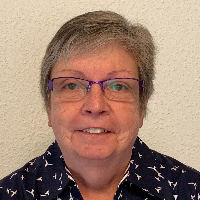
Therapist profile
Jessica Milosky, LPC
Licensed in Pennsylvania 8 years in practice Online sessions
Licensed Professional Counselor - Stress and Anxiety
About Jessica
Jessica Milosky is a Licensed Professional Counselor (LPC) in South Carolina with eight years of post-licensure practice experience. She works with stress, anxiety, relationship difficulties, depression, coping with life changes, compassion fatigue, addictions, family and grief concerns, eating and self-esteem issues, and trauma and abuse. Jessica also notes additional focus areas such as attachment, body image, caregiver stress, codependency, and fertility concerns.
She began graduate studies in 2008 and completed them in 2012, then worked at a university counseling center while building hours toward licensure.
Background and approach
Early career work included time in a psychiatric hospital doing assessments, alongside independent practice. That mix gave her experience with a wide range of concerns and levels of need. Jessica uses several therapy approaches in her work.
Cognitive Behavioral Therapy (CBT) appears among her methods; she also draws on client-centered, emotionally-focused, existential, and narrative ideas. In sessions she may offer direct feedback and challenge or a gentler guiding stance, depending on what the person needs. She often helps people during life transitions, crises, job searches, and when a family member has a chronic illness.
Practical skills for managing stress and anxiety are common parts of her work, alongside talking through relationship patterns and family-of-origin issues. Jessica describes incorporating mind-body practices and psychodynamic ideas alongside CBT-based techniques. That means sessions can include talking about current problems, noticing patterns from the past, and trying concrete strategies to adjust thoughts and behaviors.
What Jessica works with
The areas Jessica lists on their profile, in their own terms. If what you would like to work on is not on the list, it is fine to ask about it.
- Stress, Anxiety
- Relationship issues
- Depression
- Coping with life changes
- Compassion fatigue
- Addictions
- Family conflicts
- Trauma and abuse
- Grief
- Eating disorders
- Self esteem
- Attachment issues
- Body image
- Cancer
- Caregiver issues and stress
- Codependency
- Commitment issues
- Communication problems
- Control issues
- Divorce and separation
- Eating and food-related issues
- Family of origin issues
- Family problems
- Fertility issues
- Forgiveness
- Gender dysphoria
- Guilt and shame
- Isolation / loneliness
- Midlife crisis
- Postpartum depression
- Process addiction (porn, exercise, gambling)
- Seasonal Affective Disorder (SAD)
- Self-harm
- Self-love
- Sex addiction
- Sexual assault and abuse
- Sexuality
- Somatization
- Women's issues
- Young adult issues
Methods Jessica lists
- Cognitive Behavioral Therapy (CBT)
- Client-Centered Therapy
- Emotionally-Focused Therapy (EFT)
- Existential Therapy
- Narrative Therapy
- Psychodynamic Therapy
- Solution-Focused Therapy
Listing an approach is not evidence of training in it. This directory shows what each therapist names and does not check training records.
How her approaches translate to online work
Jessica uses Cognitive Behavioral Therapy to identify unhelpful thoughts and test new behaviors with small, practical experiments. CBT techniques often focus on skills such as manageable behavior changes, thought records, and gradual exposure for anxiety or avoidance.She also uses Client-Centered Therapy, which centers on listening and reflecting so people can clarify what matters to them and make decisions that fit their values. Emotionally-Focused Therapy (EFT) is another approach she draws on to help people notice and name strong emotions and improve how they respond in close relationships.
Finding the right approach is part of the work together. She will discuss goals, preferences, and how you respond to different methods, then adjust the plan as you go. That collaborative process helps decide whether to emphasize CBT skills, deeper emotional work, or a mix.
The biography does not list specific online session formats, so confirm the current options before booking. In general, online therapy can make it easier to fit sessions into a busy week, allow shorter check-ins when needed, and remove travel time so people can keep consistent appointments. Licensed professionals adapt techniques like CBT homework, emotion-focused exercises, and narrative work to an online setting to keep sessions practical and focused.
We will earn a commission if you sign up through our link, at no cost to you. It does not change what you pay or the order of the listings.
Questions people ask about Jessica
What kinds of concerns does she address most often?
She works with stress, anxiety, relationship concerns, depression, trauma and abuse, grief, eating and self-esteem issues, and related areas such as caregiver stress and codependency.
How would you describe her therapeutic style?
Her style ranges from direct feedback and challenge to a gentler guiding approach, depending on the person and the issue being addressed.
What is her background and experience?
She completed graduate work in 2012, has experience at a university counseling center and a psychiatric hospital, and has eight years of practice as an LPC.
What credentials and location are listed?
She is a Licensed Professional Counselor (LPC) practicing in South Carolina with credentials listed as SC LPC and PA LPC.
Which languages are offered and are international clients accepted?
Sessions are offered in English and international clients are accepted.
What session formats are available?
The original biography does not specify session formats; please confirm current session options before booking.
How does cost work for sessions?
Cost varies with location and sessions use a subscription model that can be canceled at any time.
How do I begin working with her?
Select the See online therapy options button, complete a short matching questionnaire, and schedule a first session.