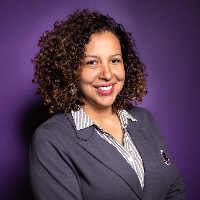
Therapist profile
Kenneth Lingle, LCSW, CSW
Licensed in Colorado 22 years in practice Online sessions
Licensed Clinical Social Worker - Anxiety and Trauma
About Kenneth
Kenneth Lingle is a Licensed Clinical Social Worker (LCSW) in Colorado with 22 years of experience. He focuses on common problems such as stress, anxiety, trauma and abuse, depression, relationship concerns, and substance issues. He also lists ADHD, grief, intimacy-related issues, parenting strain, and career or life-change coping among his areas of work.
Ken takes a practical, skills-based approach in sessions. He uses Cognitive Behavioral Therapy (CBT) alongside Acceptance and Commitment Therapy (ACT), Dialectical Behavior Therapy (DBT), and attachment-informed methods.
Background and approach
Sessions include talking through thoughts and behaviors, trying specific exercises, and tracking what changes between meetings. He draws on long clinical experience with adults who have faced divorce, loss, or substance exposure in the family. That background shapes how he frames coping strategies and relapse prevention.
He can offer straightforward tools for anxiety, mood shifts, and crisis moments. Ken also attends to relational patterns and attachment themes. This can mean looking at how past relationships affect current conflicts and intimacy.
He uses techniques from the Gottman method and attachment-based work to address communication and trust issues. Practical supports such as motivational interviewing and solution-focused techniques show up in brief coaching-style conversations. Sessions may include mindfulness exercises and behavioral experiments aimed at improving sleep, managing anger, or reducing substance use triggers.
He works in English and accepts international clients. Prospective clients are asked to complete the platform questionnaire and schedule an initial session to begin.
What Kenneth works with
The areas Kenneth lists on their profile, in their own terms. If what you would like to work on is not on the list, it is fine to ask about it.
- Stress, Anxiety
- Relationship issues
- Trauma and abuse
- Depression
- ADHD
- Addictions
- LGBT
- Family conflicts
- Grief
- Intimacy-related issues
- Eating disorders
- Sleeping disorders
- Parenting issues
- Anger management
- Self esteem
- Career difficulties
- Bipolar disorder
- Coping with life changes
- Coaching
- Compassion fatigue
- Abandonment
- Adoption and foster care
- Aging and geriatric issues
- Antisocial personality
- Attachment issues
- Autism and Asperger Syndrome
- Avoidant personality
- BDSM, kink, and alternative sex culture
- Blended family issues
- Body image
- Cancer
- Caregiver issues and stress
- Chronic pain, illness, and disability
- Co-morbidity
- Codependency
- Commitment issues
- Communication problems
- Control issues
- Coping with natural or human-caused disaster
- First responder issues
- Gender dysphoria
- HIV / AIDS
- Infidelity
- Intellectual disability
- Jealousy
- Multicultural concerns
- Polyamory / non-monogamous relationships
- Self-harm
- Sex addiction
- Sexual assault and abuse
- Sexual dysfunction
Methods Kenneth lists
- Cognitive Behavioral Therapy (CBT)
- Acceptance and Commitment Therapy (ACT)
- Attachment-Based Therapy
- Dialectical Behavior Therapy (DBT)
- Gottman Method
- Motivational Interviewing
- Solution-Focused Therapy
- Trauma-Focused Therapy
Listing an approach is not evidence of training in it. This directory shows what each therapist names and does not check training records.
How his approaches translate to online work
Ken uses Cognitive Behavioral Therapy to help people notice unhelpful thoughts and test new behaviors. CBT often focuses on specific problems like anxiety, sleep disruption, or mood changes and uses concrete homework and tracking between sessions.He also uses Acceptance and Commitment Therapy, which helps people clarify values and take action despite difficult thoughts or feelings. Attachment-based work looks at how early relationship patterns affect current conflicts and intimacy, and it can guide conversations about trust and boundaries.
Choosing an approach is a collaborative step. Ken will discuss what feels most relevant, try methods in early sessions, and adjust based on what helps the client meet their goals. That process may combine elements from CBT, ACT, DBT, or Gottman-influenced techniques.
Because the profile does not list specific supported session formats here, confirm the available online session types before booking. Online work can make it easier to fit sessions into a busy week, allow shorter check-ins when needed, and reduce travel time. It also lets clients use worksheets or mindfulness practices between meetings and keeps progress visible through shared goals and tracked exercises.
We will earn a commission if you sign up through our link, at no cost to you. It does not change what you pay or the order of the listings.
Questions people ask about Kenneth
What kinds of concerns does he help with?
He works with stress, anxiety, trauma and abuse, depression, addictions, relationship and intimacy issues, grief, ADHD, and related life changes.
How does he approach therapy day to day?
Sessions emphasize practical skills from Cognitive Behavioral Therapy and related methods. Clients practice new ways of thinking and behaving and review what works between sessions.
What is his background and experience?
He is a Licensed Clinical Social Worker with 22 years of experience working with adults affected by divorce, grief, substance exposure, and trauma.
What are his credentials and location?
He holds LCSW and CSW credentials and practices in Colorado.
In which languages can sessions be held?
Sessions are offered in English and he accepts international clients.
Which session formats are offered?
Please confirm current session formats before booking, as the profile does not list specific formats to assume.
How are fees handled?
Cost varies with location and sessions use a subscription that can be canceled at any time.
How do I begin working with him?
Select the See online therapy options button, complete the short matching questionnaire, and schedule a first session.