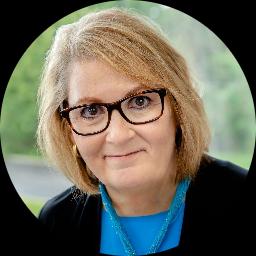
Therapist profile
Laura Fletcher, LPC
Licensed in Texas 23 years in practice Online sessions
Licensed Professional Counselor - Stress and Trauma
About Laura
Laura Fletcher is a Licensed Professional Counselor (LPC) in Texas with 23 years of experience in healthcare and counseling. She works with stress, anxiety, trauma and abuse, grief, self-esteem, addictions, relationship and intimacy issues, parenting concerns, career changes, bipolar disorder, depression, and compassion fatigue. She also addresses caregiver stress, chronic illness and pain, end-of-life and hospice concerns, and related topics.
She uses clear, practical methods to help people notice unhelpful thoughts and habits.
Background and approach
Sessions include problem-focused work and skill practice. Cognitive Behavioral Therapy (CBT) is one of the approaches she uses to help people test thinking patterns and try different responses. Her background includes long experience in healthcare settings and program work.
Much of that time involved integrative health, behavioral health, and wellness at a major cancer center. That experience informs her work with people facing illness, caregiving, and grief. Laura draws on attachment-based ideas to look at how relationships shape reactions.
She also uses client-centered methods to listen and build on strengths. EMDR and mindfulness techniques are part of her toolkit when those approaches are appropriate for a person’s concerns. Practical goals are common in sessions - clearer coping steps, better communication strategies, and ways to manage mood and stress.
She also offers coaching-style supports for lifestyle and behavior change. The practice asks people to complete a short questionnaire before scheduling a first session, so the first appointment can focus on priorities and next steps.
What Laura works with
The areas Laura lists on their profile, in their own terms. If what you would like to work on is not on the list, it is fine to ask about it.
- Stress, Anxiety
- Trauma and abuse
- Grief
- Self esteem
- Coaching
- Addictions
- LGBT
- Relationship issues
- Family conflicts
- Intimacy-related issues
- Parenting issues
- Career difficulties
- Bipolar disorder
- Depression
- Coping with life changes
- Compassion fatigue
- Aging and geriatric issues
- Attachment issues
- Cancer
- Caregiver issues and stress
- Chronic pain, illness, and disability
- Communication problems
- Coping with natural or human-caused disaster
- Divorce and separation
- Family of origin issues
- Family problems
- Fertility issues
- First responder issues
- Forgiveness
- Guilt and shame
- Hospice and end-of-life counseling
- Infidelity
- Isolation / loneliness
- Life purpose
- Mood disorders
- Post-traumatic stress
- Process addiction (porn, exercise, gambling)
- Sex addiction
- Social anxiety and phobia
- Women's issues
- Workplace issues
- Young adult issues
Methods Laura lists
- Cognitive Behavioral Therapy (CBT)
- Attachment-Based Therapy
- Client-Centered Therapy
- Eye Movement Desensitization and Reprocessing (EMDR)
- Mindfulness Therapy
- Motivational Interviewing
Listing an approach is not evidence of training in it. This directory shows what each therapist names and does not check training records.
How her approaches translate to online sessions
Laura commonly blends Cognitive Behavioral Therapy (CBT), attachment-based ideas, and client-centered work. CBT focuses on spotting specific thoughts and behaviors, then testing small changes to see what helps. This approach is useful for anxiety, depression, and stress-related patterns. Attachment-based work looks at how relationships and early patterns shape responses to conflict and loss, which can help when relationship or grief issues are central. Client-centered methods prioritize listening and reflecting to build on a person’s existing strengths and goals.Finding the right approach is part of the work. She will discuss options and collaborate with each person to choose methods that fit their goals, needs, and preferences. That may mean focusing on CBT skills for weekly practice, using mindfulness exercises, or introducing EMDR elements when appropriate and agreed upon.
Session formats are not listed in the biography, so confirm available online options before booking. Online sessions can make it easier to fit therapy into a busy day, reduce travel time, or allow a shorter check-in when schedules are tight. They also let people do in-the-moment skill practice in their everyday setting and can make working with caregiving or chronic illness concerns more practical. Licensed professionals use these formats to keep sessions focused on achievable steps and measurable skills.
We will earn a commission if you sign up through our link, at no cost to you. It does not change what you pay or the order of the listings.
Questions people ask about Laura
What kinds of issues does she help with most often?
She works with stress, anxiety, trauma and abuse, grief, self-esteem, addictions, relationship and intimacy issues, parenting concerns, career changes, bipolar disorder, depression, and compassion fatigue among other concerns.
How does she use Cognitive Behavioral Therapy?
CBT is used to identify unhelpful thoughts and routines and to try practical alternatives. Sessions often include skill practice and homework to test new responses outside therapy.
What is her professional experience?
She has 23 years of experience in healthcare and counseling, with substantial work in integrative and behavioral health at a major cancer center.
What are her credentials and where is she based?
She is a Licensed Professional Counselor (LPC) practicing in Texas.
Which languages are offered for sessions?
Sessions are offered in English.
Can international clients work with her?
International clients are not accepted currently.
How are session costs handled?
Costs vary with location and sessions use a subscription model that can be canceled at any time.
What are the steps to begin working with her?
Start by selecting the See online therapy options button, complete a short matching questionnaire, and schedule a first session.