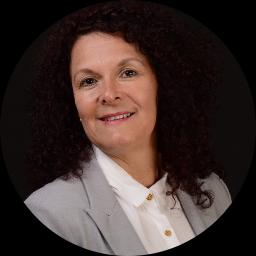
Therapist profile
Magdalena Seremak-Kaczmarczyk, BACP
Registered with BACP 3 years in practice Online sessions
Counsellor - Anxiety and addiction
About Magdalena
Magdalena Seremak-Kaczmarczyk is a counsellor (BACP) with three years of professional experience in the United Kingdom. She completed an MSc in Counselling and Positive Psychology at the University of Bolton and has a long background volunteering in community counselling services. Her work has involved people facing anxiety, depression, low self-esteem, addiction and trauma.
Magdalena often starts by listening to what feels most urgent. She helps people name stressful thoughts and the patterns that keep them stuck.
Background and approach
Practical steps and short exercises are used alongside longer conversations. Her approach draws on Cognitive Behavioural Therapy to identify unhelpful thinking and to try different ways of responding. She also uses client-centred techniques to follow what the person finds important, and mindfulness practices to develop present-moment awareness.
Motivational Interviewing ideas are used when someone wants to change behaviours such as substance use. Magdalena has worked with a wide range of issues including addiction, trauma and family problems. She also supports people dealing with immigration issues, guilt and shame, body image and relationship difficulties.
Sessions can address parenting and fatherhood concerns as individual therapy topics. Her background includes extended voluntary work with people affected by homelessness, human trafficking and domestic violence. That experience informs how she plans practical next steps and safety considerations during sessions.
Sessions are conducted in English and Polish. Prospective clients are asked to check the current session formats and scheduling details before booking.
What Magdalena works with
The areas Magdalena lists on their profile, in their own terms. If what you would like to work on is not on the list, it is fine to ask about it.
- Stress, Anxiety
- Addictions
- Trauma and abuse
- Self esteem
- Depression
- LGBT
- Relationship issues
- Family conflicts
- Parenting issues
- Anger management
- Career difficulties
- Coping with life changes
- Abandonment
- Antisocial personality
- Body image
- Codependency
- Communication problems
- Control issues
- Dependent personality
- Dissociation
- Drug and alcohol addiction
- Eating and food-related issues
- Family problems
- Fatherhood issues
- Forgiveness
- Guilt and shame
- Immigration issues
- Isolation / loneliness
- Jealousy
- Life purpose
- Midlife crisis
- Money and financial issues
- Mood disorders
- Multicultural concerns
- Narcissism
- Obsessions, compulsions, and OCD
- Panic disorder and panic attacks
- Paranoia
- Polyamory / non-monogamous relationships
- Postpartum depression
- Post-traumatic stress
- Process addiction (porn, exercise, gambling)
- Self-harm
- Self-love
- Sex addiction
- Sexuality
- Social anxiety and phobia
- Women's issues
Methods Magdalena lists
- Cognitive Behavioural Therapy (CBT)
- Client-Centred Therapy
- Mindfulness Therapy
- Motivational Interviewing
- Psychodynamic Therapy
- Solution-Focused Therapy
Listing an approach is not evidence of training in it. This directory shows what each therapist names and does not check training records.
How her approaches translate to online work
Magdalena commonly uses Cognitive Behavioural Therapy to help people identify patterns of thinking and to practise different responses. CBT works well for anxiety, low mood and problem behaviours because it breaks issues into small, testable steps. She also draws on client-centred methods that focus on the person’s priorities and on mindfulness techniques that help develop present-moment attention and stress management.Finding the right approach is a collaborative process. Magdalena will discuss goals and preferences and recommend ways of working that fit the client’s concerns. That may mean combining CBT exercises with reflective, person-centred conversation and short mindfulness practices between sessions.
Session formats are not listed in the biography, so confirm the available options before booking. Online working can make it easier to fit therapy into a busy day, reduce travel time and allow for shorter check-ins when needed. It can also make it simpler to use worksheets, share notes and set practical tasks to try between meetings. Registered or accredited professionals often use these benefits to help clients manage everyday pressures while they work on longer-term goals.
We will earn a commission if you sign up through our link, at no cost to you. It does not change what you pay or the order of the listings.
Questions people ask about Magdalena
What concerns does she commonly help with?
She works with stress, anxiety, depression, addictions, trauma and family or relationship difficulties, plus related issues such as body image and immigration concerns.
How does she use Cognitive Behavioural Therapy?
CBT is used to notice unhelpful thoughts and test alternative responses through short exercises and practice between sessions.
What is her professional background?
She has an MSc in Counselling and Positive Psychology and three years of professional experience, with many additional years of voluntary counselling work.
What credential does she hold and where is she based?
She is registered with the British Association for Counselling and Psychotherapy (BACP) and is based in the United Kingdom.
Which languages can sessions be held in?
Sessions are offered in English and Polish.
Can people from other countries work with her?
She accepts international clients; check time zones and session options when arranging appointments.
How are sessions arranged and what about cost?
Cost varies with location and sessions use a subscription that can be cancelled at any time; confirm pricing details during booking.
How do I begin working with her?
Select the See online therapy options button, complete a short matching questionnaire and schedule a first session.