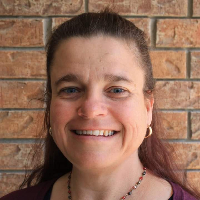
Therapist profile
Mary Widseth, LPC
Licensed in Minnesota 7 years in practice Online sessions
LPC counselor for adult relationship and trauma concerns
About Mary
Mary Widseth is an LPC (Licensed Professional Counselor) based in Minnesota with seven years of clinical experience. She helps adults with relationship problems, trauma and abuse, grief, depression, anxiety, stress, addictions, and ADHD. She also supports concerns around parenting, intimacy, sleeping, self-esteem, and coping with life changes.
Mary holds a master’s degree in Community Psychology and Rehabilitation Counseling and a certificate in Autism. She also has a bachelor’s degree in Vocational Rehabilitation.
Background and approach
Early work focused on helping adults with cognitive, physical, or communication challenges find and keep work. That role included on-the-job training, coordinating with employers, and communicating across language barriers including sign language and conversational Spanish. After graduate school she provided in-home therapy for children aged 7 to 18 and their families for two years.
She then spent two years in office-based mental health practice with adults and children. Her work has included supporting transgender and bisexual adults, people dealing with body-altering surgery, and people managing addictions. In sessions she uses practical strategies drawn from client-centered methods, Cognitive Behavioral Therapy, Dialectical Behavior Therapy, Emotionally-Focused Therapy, and EMDR when appropriate.
She focuses on skills for emotional regulation, communication, and everyday functioning. Mary describes concrete tools and practices that clients can try between sessions. She has experience adapting materials for people with language or communication barriers, using picture books, rebus boards, and sign language techniques.
Prospective clients should confirm current session options when booking and follow the site process to schedule a first session.
What Mary works with
The areas Mary lists on their profile, in their own terms. If what you would like to work on is not on the list, it is fine to ask about it.
- Relationship issues
- Family conflicts
- Trauma and abuse
- Grief
- Depression
- Stress, Anxiety
- Addictions
- LGBT
- Intimacy-related issues
- Sleeping disorders
- Parenting issues
- Anger management
- Self esteem
- Career difficulties
- Bipolar disorder
- Coping with life changes
- ADHD
- Adoption and foster care
- Aging and geriatric issues
- Autism and Asperger Syndrome
- Blended family issues
- Body image
- Caregiver issues and stress
- Communication problems
- Disruptive Mood Dysregulation Disorder (DMDD)
- Divorce and separation
- Domestic violence
- Family problems
- First responder issues
- Hearing impaired
- Hoarding
- Hospice and end-of-life counseling
- Infidelity
- Intellectual disability
- Midlife crisis
- Veteran and Armed Forces Issues
- Mood disorders
- Panic disorder and panic attacks
- Personality disorders
- Post-traumatic stress
- Prejudice and discrimination
- Seasonal Affective Disorder (SAD)
- Self-harm
- Social anxiety and phobia
- Traumatic brain injury
Methods Mary lists
- Cognitive Behavioral Therapy (CBT)
- Client-Centered Therapy
- Dialectical Behavior Therapy (DBT)
- Emotionally-Focused Therapy (EFT)
- Eye Movement Desensitization and Reprocessing (EMDR)
- Mindfulness Therapy
- Motivational Interviewing
- Narrative Therapy
- Solution-Focused Therapy
- Trauma-Focused Therapy
Listing an approach is not evidence of training in it. This directory shows what each therapist names and does not check training records.
How Mary applies therapeutic approaches online
Mary commonly uses Cognitive Behavioral Therapy, Client-Centered Therapy, and Dialectical Behavior Therapy as part of her work. CBT focuses on identifying unhelpful thoughts and testing different responses through concrete exercises. It is often used for anxiety, depression, and stress. Client-Centered Therapy emphasizes listening and working from the person’s own goals to build clearer understanding and practical next steps. DBT teaches skills for emotion regulation, distress tolerance, and clearer communication, which can help with anger, relationship strain, and behavioral patterns.Deciding which approach fits best is collaborative. She will help clients choose methods based on the problem they bring, their goals, and what feels manageable. That may mean trying specific CBT exercises for a time or combining approaches to address both emotions and behavior.
The profile does not list specific session formats, so confirm current online options before booking. Online sessions can make it easier to fit therapy into a work break, reduce travel time, or choose meetings that do not require being on camera. Clients can expect practical skill practice, short structured check-ins, and guided exercises that can be used in everyday life.
We will earn a commission if you sign up through our link, at no cost to you. It does not change what you pay or the order of the listings.
Questions people ask about Mary
What concerns does she address most often?
She works with adults on relationship issues, trauma and abuse, grief, depression, anxiety, stress, addictions, ADHD, and related concerns.
How does she use Cognitive Behavioral Therapy?
She applies CBT to identify unhelpful thoughts and behaviors and to try practical alternatives through skills and exercises between sessions.
What is her professional background?
She has a master’s in Community Psychology and Rehabilitation Counseling and seven years of clinical experience working with adults and children in home and office settings.
What credential does she hold and where is she located?
She is an LPC (Licensed Professional Counselor) licensed in Minnesota and practices from that state.
Which languages are supported in sessions?
Sessions are offered in English, and she has experience communicating with non-English speakers using sign language and adapted materials.
Does she work with international clients?
She does not accept international clients at this time.
How are sessions paid for and what does cost look like?
Costs vary with location and sessions use a subscription model that can be canceled at any time.
How do I begin the process of working together?
Use the See online therapy options button, complete the short matching questionnaire, and then schedule your first session.