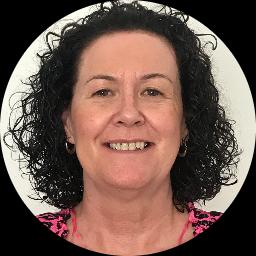
Therapist profile
Dr. Melody Madaris, LCPC
Licensed in Illinois 14 years in practice Online sessions
Dr. Melody Madaris, LCPC - Trauma and Addictions
About Melody
Dr. Melody Madaris is an Illinois Licensed Clinical Professional Counselor (LCPC) with 14 years of clinical and administrative experience. She has focused much of her work on trauma, substance use, and bipolar disorder and lists a range of other concerns she addresses including depression, grief, anger, eating issues, and ADHD.
She has led services at a community mental health center, supervising more than 60 staff and overseeing co-occurring disorder programs.
Background and approach
That work includes managing a residential treatment facility, six outpatient co-occurring programs, a 24-hour mobile crisis program, an employee assistance program, mental health awareness initiatives, and substance abuse prevention efforts. In sessions she emphasizes practical change. She helps people identify the habits and thoughts that keep problems going.
Then she works with them on concrete steps to try new ways of responding and maintaining change. Her clinical approaches include Cognitive Behavioral Therapy (CBT), Acceptance and Commitment Therapy (ACT), Client-Centered Therapy, Dialectical Behavior Therapy (DBT), and Existential Therapy. Those methods are used to help with mood disorders, panic, post-traumatic stress, process addictions, and other listed concerns.
She describes the work as collaborative and action-oriented, focusing on setting clear goals and building skills to handle stressors and cravings. People can expect straightforward, skills-based sessions that aim to make daily life more manageable. Dr.
Madaris offers services in English and accepts international clients. Cost varies by location and sessions use a subscription that can be canceled at any time. To begin, select the See online therapy options button, complete the short matching questionnaire, and schedule a first session.
What Melody works with
The areas Melody lists on their profile, in their own terms. If what you would like to work on is not on the list, it is fine to ask about it.
- Addictions
- Trauma and abuse
- Bipolar disorder
- Depression
- Coping with life changes
- Grief
- Eating disorders
- Anger management
- Self esteem
- Career difficulties
- Coaching
- Compassion fatigue
- ADHD
- Autism and Asperger Syndrome
- BDSM, kink, and alternative sex culture
- Body image
- Coping with natural or human-caused disaster
- Divorce and separation
- Domestic violence
- Drug and alcohol addiction
- Eating and food-related issues
- First responder issues
- HIV / AIDS
- Veteran and Armed Forces Issues
- Mood disorders
- Panic disorder and panic attacks
- Post-traumatic stress
- Process addiction (porn, exercise, gambling)
- Sex addiction
- Sexual assault and abuse
- Sexuality
- Social anxiety and phobia
- Women's issues
Methods Melody lists
- Cognitive Behavioral Therapy (CBT)
- Acceptance and Commitment Therapy (ACT)
- Client-Centered Therapy
- Dialectical Behavior Therapy (DBT)
- Existential Therapy
- Eye Movement Desensitization and Reprocessing (EMDR)
- Gottman Method
- Mindfulness Therapy
- Motivational Interviewing
- Narrative Therapy
- Psychodynamic Therapy
- Solution-Focused Therapy
- Trauma-Focused Therapy
Listing an approach is not evidence of training in it. This directory shows what each therapist names and does not check training records.
How her approaches translate to online sessions
Dr. Madaris often draws on Cognitive Behavioral Therapy (CBT) to help people recognize and change thoughts and behaviors that maintain problems. CBT is practical and skill-focused, which can fit well into weekly online check-ins. Acceptance and Commitment Therapy (ACT) is used to clarify values and practice accepting difficult feelings while taking committed action on personal goals.She also uses Client-Centered Therapy principles, which center the discussion on the person's concerns and goals and guide the pace of work. Together she and the client decide which method or combination will best address the specific issues, whether that is mood symptoms, cravings, trauma-related reactions, or daily stressors. Finding the right approach is part of the process and will be decided collaboratively based on needs and preferences.
The practical benefits of online sessions include easier scheduling and the ability to fit appointments around work or caregiving. If you want to proceed, confirm which session formats are currently offered before booking, since the biography does not list specific formats. Online work can support regular skill practice, brief check-ins, and focused sessions that aim to fit into everyday life.
We will earn a commission if you sign up through our link, at no cost to you. It does not change what you pay or the order of the listings.
Questions people ask about Melody
What concerns does she address most often?
She commonly works with trauma, substance use, and bipolar disorder, and also helps with depression, grief, anger, eating issues, ADHD, and related concerns.
How does she use CBT in sessions?
She uses Cognitive Behavioral Therapy to identify unhelpful thoughts and habits, then practices concrete changes and coping skills during sessions.
What is her professional background?
She has 14 years of experience and currently manages multiple programs at a community mental health center, including residential and outpatient co-occurring services.
What credentials and location are on record?
She is an Illinois Licensed Clinical Professional Counselor (LCPC) based in Illinois.
Which languages are supported for sessions?
Sessions are offered in English and she accepts international clients.
What session formats are available?
Please confirm current session options before booking, as the biography does not list specific formats.
How are fees handled?
Cost varies with location and sessions use a subscription model that can be canceled at any time.
How do I get started with her services?
Click the See online therapy options button, complete the short matching questionnaire, and schedule a first session.