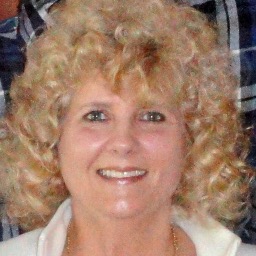
Therapist profile
Pam Bolarinho, LICSW
Licensed in Massachusetts 20 years in practice Online sessions
LICSW - Acute care and behavioral health
About Pam
Pam Bolarinho, LICSW, has more than 20 years of social work experience and practices in Massachusetts. She helps people facing stress, anxiety, trauma and abuse, bipolar disorder, depression, addictions, relationship and family concerns, grief, and parenting stress. She speaks English and Portuguese and brings both clinical and leadership experience to her work.
Before moving into administration, Pam started her career in home visiting with the Healthy Families Program and then worked for the Massachusetts Department of Children and Families.
Background and approach
She completed a Master of Arts in Social Work at Bridgewater State University and later served in several clinical leadership roles including Clinical Director at an inpatient psychiatric facility and Social Work Manager at an acute medical hospital. In recent years she has focused on acute care services and helped create a co-response program with a local police department.
That program provided community-based care for hundreds of people and helped reduce visits to the emergency room for behavioral health concerns. She has collaborated with suicide prevention groups, opioid task forces, and local behavioral health partners to improve community responses to crisis. Pam describes her clinical style as patient-centered and strength-based.
She uses practical, goal-focused methods to help people notice unhelpful patterns and try different responses. Her work includes therapy with trauma survivors, people in foster care or adoption situations, individuals with attachment concerns, and adults coping with addiction and chronic mental health conditions. Her approach emphasizes clear goals, problem-solving, and building skills people can use between sessions.
She aims to help clients make steady, manageable changes in how they think and act when faced with stressful situations.
What Pam works with
The areas Pam lists on their profile, in their own terms. If what you would like to work on is not on the list, it is fine to ask about it.
- Stress, Anxiety
- Family conflicts
- Trauma and abuse
- Bipolar disorder
- Depression
- Addictions
- Relationship issues
- Grief
- Intimacy-related issues
- Eating disorders
- Parenting issues
- Anger management
- Self esteem
- Career difficulties
- Coping with life changes
- Coaching
- Compassion fatigue
- Adoption and foster care
- Attachment issues
- Blended family issues
- Body image
- Caregiver issues and stress
- Codependency
- Communication problems
- Control issues
- Dependent personality
- Disruptive Mood Dysregulation Disorder (DMDD)
- Dissociation
- Family of origin issues
- Family problems
- First responder issues
- Guilt and shame
- Hospice and end-of-life counseling
- Immigration issues
- Impulsivity
- Isolation / loneliness
- Midlife crisis
- Mood disorders
- Obsessions, compulsions, and OCD
- Paranoia
- Post-traumatic stress
- Process addiction (porn, exercise, gambling)
- Seasonal Affective Disorder (SAD)
- Self-harm
- Workplace issues
Methods Pam lists
- Cognitive Behavioral Therapy (CBT)
- Client-Centered Therapy
- Motivational Interviewing
- Narrative Therapy
- Solution-Focused Therapy
- Trauma-Focused Therapy
Listing an approach is not evidence of training in it. This directory shows what each therapist names and does not check training records.
How Pam integrates structured approaches into online work
Pam frequently draws on Cognitive Behavioral Therapy to help people identify unhelpful thoughts and test alternative responses. CBT is practical and skill-focused, useful for anxiety, depression, stress, and many everyday problems.She also uses Client-Centered Therapy, which emphasizes listening and building on a person’s strengths to set workable goals. Motivational Interviewing may be used when people want help clarifying their reasons for change and increasing motivation for steps like reducing substance use or changing routines.
Finding the right approach is part of the work. Pam discusses goals and preferences with each person and suggests methods that fit their situation. This collaborative decision helps set clear targets and track small, measurable progress.
Confirm the session formats before booking since the biography does not list specific online options. Online sessions can make it easier to fit therapy into a busy life - for example they can reduce travel time, allow shorter check-ins during a lunch break, or offer video or phone choices when camera use is difficult. Ask about current session options when you schedule to match the format to your practical needs.
We will earn a commission if you sign up through our link, at no cost to you. It does not change what you pay or the order of the listings.
Questions people ask about Pam
What kinds of problems does she commonly address?
Pam works with stress, anxiety, trauma and abuse, bipolar and depressive concerns, addictions, relationship and family issues, grief, parenting strain, and related problems such as body image and codependency.
How would she describe her therapeutic style?
Her style is patient-centered and strength-based, using clear goals and practical strategies to change unhelpful thoughts and behaviors.
How much clinical experience does she have?
She has over 20 years of experience in social work across clinical and leadership roles in Massachusetts.
What credential does she hold and where is she based?
She holds an MA and is a Licensed Independent Clinical Social Worker (LICSW) practicing in Massachusetts.
In what languages can sessions be conducted?
Sessions are offered in English and Portuguese.
Can international clients work with her?
International clients are not currently accepted.
How are sessions priced?
Cost varies by location and sessions use a subscription model that can be canceled at any time.
What are the first steps to begin therapy?
Use the See online therapy options button, complete a short matching questionnaire, and schedule a first session.