Therapist profile
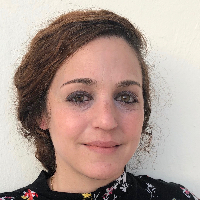
Patti Hampsten, LCPC
Licensed in Illinois 3 years in practice Online sessions
Licensed Clinical Professional Counselor - Stress and Addictions
About Patti
Patti Hampsten is a Licensed Clinical Professional Counselor (LCPC) in Illinois with three years of experience. She focuses on stress, anxiety, addictions, relationship concerns, eating issues, depression, LGBT topics, family and trauma-related concerns. Patti also lists grief, parenting, anger, self-esteem, career challenges, bipolar disorder, coping with life changes, and compassion fatigue among her focus areas.
Patti begins work by listening without judgment and helping people state where they are now.
Background and approach
She often uses a client-centered approach and motivational interviewing early on to clarify goals and build working trust. From there she draws on Cognitive Behavioral Therapy, solution-focused techniques, Dialectical Behavior Therapy, mindfulness, and skills building as appropriate. Her background includes work in community mental health and addictions counseling.
That experience exposed her to a wide range of issues and settings, including problem solving courts and work with drug court, mental health court, and veterans court participants. She currently practices within a independent practice group and provides clinical supervision to local problem solving court clients.
Patti describes a casual, inviting counseling style that emphasizes validating feelings and recognizing the reasons behind behavior. Sessions mix discussion with practical strategies aimed at changing unhelpful patterns and building new coping skills. She encourages people to leave each session with at least one tool they can try between meetings.
She accepts international clients and conducts work in English. Cost varies by location and sessions use a subscription that can be canceled at any time. To begin, clients are asked to complete a short matching questionnaire and schedule a first session.
What Patti works with
The areas Patti lists on their profile, in their own terms. If what you would like to work on is not on the list, it is fine to ask about it.
- Stress, Anxiety
- Addictions
- Relationship issues
- Eating disorders
- Depression
- LGBT
- Family conflicts
- Trauma and abuse
- Grief
- Parenting issues
- Anger management
- Self esteem
- Career difficulties
- Bipolar disorder
- Coping with life changes
- Compassion fatigue
- Blended family issues
- Body image
- Caregiver issues and stress
- Codependency
- Communication problems
- Divorce and separation
- Drug and alcohol addiction
- Eating and food-related issues
- Family of origin issues
- Family problems
- First responder issues
- Hospice and end-of-life counseling
- Infidelity
- Midlife crisis
- Panic disorder and panic attacks
- Post-traumatic stress
- Process addiction (porn, exercise, gambling)
- Seasonal Affective Disorder (SAD)
- Women's issues
- Workplace issues
- Young adult issues
Methods Patti lists
- Cognitive Behavioral Therapy (CBT)
- Client-Centered Therapy
- Dialectical Behavior Therapy (DBT)
- Mindfulness Therapy
- Motivational Interviewing
- Solution-Focused Therapy
Listing an approach is not evidence of training in it. This directory shows what each therapist names and does not check training records.
How Patti uses structured methods in online sessions
Patti commonly draws on Cognitive Behavioral Therapy to help people notice unhelpful thoughts and test alternative responses. CBT here means working on specific thoughts, behaviors, and small experiments to change patterns that fuel anxiety, depression, or problematic habits.She also uses Client-Centered Therapy, which focuses on listening, validating feelings, and helping clients set their own goals. Dialectical Behavior Therapy skills are used for emotion regulation, distress tolerance, and improving interpersonal effectiveness when those skills match a client’s needs.
Choosing the right approach is part of the work. Patti collaborates with each person to decide which methods to try based on goals and preferences. That means starting with what the client wants, trying concrete strategies, and adjusting plans as progress is tracked.
The original biography does not list specific online session formats. Confirm the available session options before booking so you know what to expect. Online work can make it easier to fit sessions into a busy week, allow shorter check-ins when needed, and reduce travel time. Therapists can adapt exercises and homework for remote sessions so practical skill building continues between meetings.
We will earn a commission if you sign up through our link, at no cost to you. It does not change what you pay or the order of the listings.
Questions people ask about Patti
What concerns does she commonly address?
Patti works with stress, anxiety, addictions, relationship and eating concerns. She also lists depression, trauma, grief, parenting issues, and many related areas.
How does she generally approach therapy?
She typically begins with a client-centered approach and motivational interviewing to set goals. She then uses strategies like Cognitive Behavioral Therapy and DBT skills when those methods fit the client's aims.
What is her experience and background?
She has three years of experience and a background that includes community mental health work and addictions counseling, plus supervision of problem solving court clients.
What are her credentials and location?
She is an LCPC licensed in Illinois and practices within a independent practice group in that state.
Which languages and international work are supported?
Sessions are offered in English and she accepts international clients.
What session formats are offered?
The original biography does not list specific session formats. Confirm current session options with the provider before booking.
How is cost handled?
Cost varies with location and sessions use a subscription model that can be canceled at any time.
How do I get started?
Select the See online therapy options button, complete a short matching questionnaire, and schedule a first session.