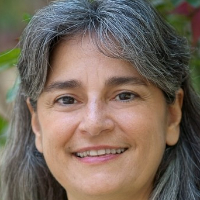
Therapist profile
Dr. Philip Townsend, TX Psychologist
Licensed in Texas 45 years in practice Online sessions
TX Psychologist - Stress and Relationship concerns
About Philip
Dr. Philip Townsend is a TX Psychologist (Texas Psychologist 21868) with 45 years of clinical experience. He works with stress, anxiety, relationship and family concerns, depression, addictions, trauma and abuse, grief, eating issues, parenting, anger, self-esteem, bipolar disorder, ADHD and related struggles.
He also lists focused work on abandonment, attachment concerns, codependency, communication problems, and isolation among other issues. He trained in clinical psychology at the University of Houston and began his clinical work while serving in the U.S.
Background and approach
Army. Early assignments included providing psychological services at West Point Military Academy and directing a mental hygiene clinic in Vietnam. After military service he developed adolescent programs for the Texas Rehabilitation Commission and later established a independent practice focused on psychotherapy.
His approach emphasizes practical tools and clear action plans. He looks for individual strengths and uses them to build steps toward personal goals. Techniques are drawn from cognitive behavioral therapy, dialectical behavior therapy, client-centered methods, existential ideas and mindfulness practices.
In therapy he aims for direct communication and improving self-esteem through honest feedback and steady support. He has long experience consulting with schools and community programs, which informs how he works with everyday problems like parenting, school choices, and coping with life changes. People who choose him can expect structured conversations that move from identifying patterns to trying specific skills.
Sessions focus on observable thoughts, behaviors and feelings, and on developing manageable strategies people can use between meetings.
What Philip works with
The areas Philip lists on their profile, in their own terms. If what you would like to work on is not on the list, it is fine to ask about it.
- Stress, Anxiety
- Relationship issues
- Family conflicts
- Intimacy-related issues
- Depression
- Addictions
- LGBT
- Trauma and abuse
- Grief
- Eating disorders
- Parenting issues
- Anger management
- Self esteem
- Bipolar disorder
- Coping with life changes
- Compassion fatigue
- ADHD
- Abandonment
- Antisocial personality
- Attachment issues
- Blended family issues
- Codependency
- Communication problems
- Control issues
- Coping with natural or human-caused disaster
- Dependent personality
- Disruptive Mood Dysregulation Disorder (DMDD)
- Family problems
- Forgiveness
- Guilt and shame
- Impulsivity
- Isolation / loneliness
- Life purpose
- Men's issues
- Midlife crisis
- Mood disorders
- Multicultural concerns
- Obsessions, compulsions, and OCD
- Panic disorder and panic attacks
- Personality disorders
- Phobias
- Post-traumatic stress
- Seasonal Affective Disorder (SAD)
- Self-love
- Sex addiction
- Sexuality
- Social anxiety and phobia
- Young adult issues
Methods Philip lists
- Cognitive Behavioral Therapy (CBT)
- Client-Centered Therapy
- Dialectical Behavior Therapy (DBT)
- Existential Therapy
- Mindfulness Therapy
- Narrative Therapy
- Solution-Focused Therapy
Listing an approach is not evidence of training in it. This directory shows what each therapist names and does not check training records.
How his approaches translate to online work
Dr. Townsend draws on Cognitive Behavioral Therapy, Client-Centered Therapy and Dialectical Behavior Therapy in his work. CBT focuses on spotting unhelpful thoughts and testing alternative responses; it is often used for anxiety, depression and coping with life changes. Client-centered methods emphasize listening and building on a person's own strengths to set practical goals. DBT teaches specific emotion regulation and interpersonal skills for handling intense feelings and relationship conflicts.Choosing the right approach is part of the process. He will work collaboratively with the client to decide which methods fit the presented concerns, goals, and everyday routines. That choice can change as progress is made and new issues come up.
Session formats are not specified in the biography, so confirm current online options before booking. Online work can make it easier to fit sessions around school or work, allow shorter check-ins when time is limited, and avoid travel time. Many people find it helps them practice skills in their normal environment while keeping therapy integrated with daily life.
We will earn a commission if you sign up through our link, at no cost to you. It does not change what you pay or the order of the listings.
Questions people ask about Philip
What kinds of problems does he address most often?
He works with stress, anxiety, relationship and family concerns along with depression, addictions, trauma, grief and parenting issues.
How does he use Cognitive Behavioral Therapy?
He uses CBT to help identify unhelpful thoughts and habits and to develop specific actions to change them.
What is his clinical background?
He earned a doctorate in Clinical Psychology from the University of Houston and has 45 years of practice experience, including military and community roles.
What credential does he hold and where is he based?
He is listed as TX Psychologist 21868 and practices in Texas.
Which languages are offered for sessions?
Sessions are offered in English.
Does he work with international clients?
He does not accept international clients at this time.
How does payment or cost work?
Cost varies with location and sessions use a subscription model that can be canceled at any time.
How do I begin scheduling a first session?
Select the See online therapy options button, complete the short matching questionnaire, and schedule the first session.