Therapist profile
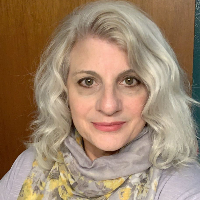
Rachael Foote, BACP
Registered with BACP 13 years in practice Online sessions
BACP counsellor - anxiety and addictions
About Rachael
Rachael Foote, BACP counsellor in the United Kingdom, has 13 years of experience in counselling and mental health. She works with people facing depression, stress, anxiety, addictions, trauma and abuse, eating difficulties, cancer-related concerns and other life challenges. Rachael presents herself as someone who sees clients as experts in their own lives and who draws on their strengths to move forward.
She uses straightforward, talk-focused sessions that aim to identify patterns that keep problems going.
Background and approach
Rachael listens to the situation and then helps people notice thoughts and behaviours that might be unhelpful. Sessions often include trying out different ways of responding to difficult feelings and situations. Rachael’s practice blends Cognitive Behavioural Therapy with client-centred ideas and brief, goal-focused methods.
She also uses motivational techniques when people want help changing behaviours such as substance use or eating habits. The focus is usually on practical steps and small experiments between sessions. Her background includes work across health and community settings supporting people through illness, trauma, relationship strain and career stress.
That experience informs a pragmatic approach to current problems. Rachael aims to work collaboratively, setting clear short-term goals and checking progress as therapy continues. Sessions address a wide range of concerns such as sleep problems, low self-esteem, grief, anger, parenting stress, ADHD-related challenges and questions about intimacy and relationships.
People looking for focused, structured help with thoughts and habits may find this approach useful.
What Rachael works with
The areas Rachael lists on their profile, in their own terms. If what you would like to work on is not on the list, it is fine to ask about it.
- Stress, Anxiety
- Addictions
- Trauma and abuse
- Eating disorders
- Depression
- LGBT
- Relationship issues
- Family conflicts
- Grief
- Intimacy-related issues
- Sleeping disorders
- Parenting issues
- Anger management
- Self esteem
- Career difficulties
- Bipolar disorder
- Coping with life changes
- Compassion fatigue
- ADHD
- Body image
- Cancer
- Chronic pain, illness, and disability
- Communication problems
- Dissociation
- Domestic violence
- Drug and alcohol addiction
- Eating and food-related issues
- Family problems
- Forgiveness
- Guilt and shame
- Infidelity
- Isolation / loneliness
- Jealousy
- Life purpose
- Midlife crisis
- Veteran and Armed Forces Issues
- Mood disorders
- Obsessions, compulsions, and OCD
- Panic disorder and panic attacks
- Paranoia
- Personality disorders
- Phobias
- Postpartum depression
- Post-traumatic stress
- Prejudice and discrimination
- Process addiction (porn, exercise, gambling)
- Self-harm
- Self-love
- Sexual assault and abuse
- Social anxiety and phobia
- Women's issues
- Young adult issues
Methods Rachael lists
- Cognitive Behavioural Therapy (CBT)
- Client-Centred Therapy
- Motivational Interviewing
- Solution-Focused Therapy
Listing an approach is not evidence of training in it. This directory shows what each therapist names and does not check training records.
How Rachael uses CBT and goal-focused methods online
Rachael combines Cognitive Behavioural Therapy and client-centred work to address current problems. CBT involves identifying patterns of thinking and behaviour that contribute to distress and then testing small, practical changes to see what helps. Client-centred work means the conversation is guided by what the person brings and their own priorities.She also draws on Motivational Interviewing when people want support changing behaviours such as substance use or eating habits. Motivational approaches focus on exploring ambivalence and strengthening a person’s own reasons for change in clear, stepwise conversations.
Choosing an approach is collaborative. The first sessions are used to understand needs, set short-term goals and agree what methods to try. The therapist will check progress and adjust the focus as work continues so the plan fits the client’s goals and preferences.
The practical benefits of online working include fitting sessions into a busy week and making it easier to attend when travel is difficult. Confirm the current session formats before booking, as the biography does not list specific options. Many people find online sessions help them keep momentum between appointments and make brief check-ins simpler.
We will earn a commission if you sign up through our link, at no cost to you. It does not change what you pay or the order of the listings.
Questions people ask about Rachael
What concerns does she work with most often?
She supports people with depression, anxiety, stress, addictions, trauma, eating issues and cancer-related concerns, among other challenges.
How does she use Cognitive Behavioural Therapy?
CBT is used to spot unhelpful thoughts and behaviours and to try practical alternatives. Sessions often involve small experiments to test new ways of responding.
What is her background and experience?
She has 13 years of counselling and mental health experience across health and community settings supporting a range of difficulties.
What credential does she hold and where is she based?
She holds BACP and is based in the United Kingdom.
Which languages does she offer sessions in?
Sessions are offered in English.
Can international clients work with her?
She does not accept international clients at this time.
How are sessions paid for and what does it cost?
Cost varies with location; sessions use a subscription model that can be cancelled at any time.
How do I begin working with her?
Click the See online therapy options button, complete the short matching questionnaire and then schedule a first session.