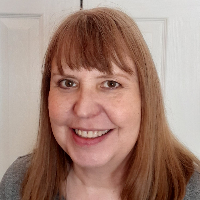
Therapist profile
Rebecca Dykes, LCSW
Licensed in Florida 20 years in practice Online sessions
LCSW - Anxiety and addiction support
About Rebecca
Rebecca Dykes is an LCSW (Licensed Clinical Social Worker) practicing in Florida with 20 years of experience in mental health. She combines clinical social work with academic roles as a college professor and department chair. Her work addresses stress, anxiety, addictions, relationship concerns, parenting, grief, ADHD, depression, and compassion fatigue.
She has worked across inpatient and outpatient settings, forensic and court systems, community development, and military contexts. Her background includes supporting people dealing with sensory dysregulation, attachment challenges in children, emotional regulation and executive functioning in adolescents, and adults facing domestic violence or substance use concerns.
Background and approach
She also has experience supporting pastors and ministry leaders facing burnout. Rebecca uses a mix of approaches including Cognitive Behavioral Therapy (CBT), client-centered therapy, Dialectical Behavior Therapy (DBT), motivational interviewing, and solution-focused work. Those methods guide sessions that focus on noticing thoughts and habits, practicing different responses, and building specific skills.
She has training and interests that intersect with faith and neuroscience. Rebecca holds certifications related to biblical counseling, autism spectrum disorder clinical specialization, and DBT practice; she integrates those perspectives when they fit a person’s goals and values. Her style is direct and respectful.
She avoids stigmatizing labels and aims to be practical when helping people manage anger, communication problems, caregiver stress, or first responder issues. Rebecca offers some Saturday phone sessions and evening text sessions by request. Confirm current session options through the platform before scheduling.
What Rebecca works with
The areas Rebecca lists on their profile, in their own terms. If what you would like to work on is not on the list, it is fine to ask about it.
- Stress, Anxiety
- Addictions
- Relationship issues
- Coping with life changes
- ADHD
- Family conflicts
- Grief
- Parenting issues
- Anger management
- Self esteem
- Career difficulties
- Depression
- Compassion fatigue
- Abandonment
- Autism and Asperger Syndrome
- Blended family issues
- Caregiver issues and stress
- Codependency
- Communication problems
- Control issues
- Dependent personality
- Divorce and separation
- Domestic violence
- Drug and alcohol addiction
- Emptiness
- Family of origin issues
- Family problems
- First responder issues
- Forgiveness
- Guilt and shame
- Impulsivity
- Intellectual disability
- Isolation / loneliness
- Jealousy
- Life purpose
- Veteran and Armed Forces Issues
- Mood disorders
- Postpartum depression
- Process addiction (porn, exercise, gambling)
- Seasonal Affective Disorder (SAD)
- Women's issues
- Workplace issues
- Young adult issues
Methods Rebecca lists
- Cognitive Behavioral Therapy (CBT)
- Client-Centered Therapy
- Dialectical Behavior Therapy (DBT)
- Motivational Interviewing
- Solution-Focused Therapy
- Systemic Therapy
Listing an approach is not evidence of training in it. This directory shows what each therapist names and does not check training records.
How CBT and skills-based approaches work in online sessions
Rebecca often draws on Cognitive Behavioral Therapy to help people notice unhelpful thoughts and test small behavior changes. CBT sessions focus on concrete steps such as tracking thought patterns, trying different responses, and practicing new habits to reduce anxiety or manage mood.She also uses client-centered techniques that prioritize the person’s perspective and DBT skills to teach distress tolerance, emotion regulation, and interpersonal effectiveness. Client-centered work is about listening and reflecting what matters to the person. DBT skills are practical exercises people can use during stressful moments.
Finding the right approach is part of the work. The therapist will collaborate with the client to choose methods that match their goals, needs, and preferences. That process may combine CBT exercises, DBT tools, and motivational interviewing to build momentum and clarify next steps.
The biography lists specific remote options by request, so confirm which formats are currently offered before booking. Rebecca mentioned some Saturday phone sessions and evening text sessions available on request. Online sessions can make it easier to fit therapy around work, school, or caregiver responsibilities, allow quick check-ins, and let people use approaches like skills practice between meetings.
We will earn a commission if you sign up through our link, at no cost to you. It does not change what you pay or the order of the listings.
Questions people ask about Rebecca
What concerns does she commonly address?
She works with stress, anxiety, addictions, relationship and parenting issues, grief, ADHD, depression, compassion fatigue, and related family and career concerns.
How would she describe her therapeutic approach?
She uses practical methods such as Cognitive Behavioral Therapy, client-centered techniques, DBT skills, motivational interviewing and solution-focused work to notice thoughts and try new responses.
How much experience does she bring?
Rebecca has 20 years of experience working in mental health across inpatient, outpatient, forensic, community, and military settings.
What are her credentials and where is she based?
She is an LCSW (Licensed Clinical Social Worker) licensed in Florida and practices from that state.
Which languages are supported and are international clients accepted?
Sessions are offered in English. She is not accepting international clients.
What session formats are offered?
The biography notes some Saturday phone sessions and evening text sessions available by request; confirm current session formats before booking.
How are costs handled?
Fees vary with location and sessions use a subscription that can be canceled at any time.
What should I do to begin working with her?
Select the See online therapy options button, complete the short matching questionnaire, and schedule a first session through the platform.