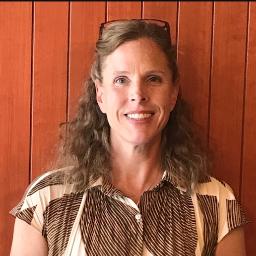
Therapist profile
Rebecca Rahn, LPC
Licensed in Wisconsin 7 years in practice Online sessions
Licensed Professional Counselor - Anxiety and Addictions
About Rebecca
Rebecca Rahn is a Licensed Professional Counselor (LPC) in Wisconsin with seven years of experience. She works with adults facing stress, anxiety, addictions, trauma and abuse, depression, and questions about identity and relationships. Rebecca also supports people dealing with sleep and eating problems, grief, anger, career stress, ADHD, and compassion fatigue.
Rebecca uses practical, goal-oriented methods to help people notice unhelpful thoughts and habits. She draws on Cognitive Behavioral Therapy to identify thinking patterns that keep problems going.
Background and approach
She also uses client-centered listening and elements from dialectical behavior therapy and mindfulness to teach concrete skills for managing intense emotions. Sessions focus on clear steps you can try between meetings. Rebecca helps set short-term goals, practice new responses, and track what works.
Conversations tend to be direct and organized so progress is easy to see. Her background includes a Master of Science in Clinical Mental Health Counseling and earlier study in psychology and applied science. Rebecca has worked with people affected by substance use and dependency and with those coping with life changes rooted in family-of-origin issues, attachment concerns, and trauma.
She offers a straightforward approach for people who want practical tools. Rebecca will help outline next steps, suggest exercises to use at home, and review what’s changing over time. To begin, follow the site’s process to match and schedule an initial appointment.
What Rebecca works with
The areas Rebecca lists on their profile, in their own terms. If what you would like to work on is not on the list, it is fine to ask about it.
- Stress, Anxiety
- Addictions
- Trauma and abuse
- Self esteem
- Depression
- LGBT
- Relationship issues
- Family conflicts
- Grief
- Eating disorders
- Sleeping disorders
- Anger management
- Career difficulties
- Bipolar disorder
- Coping with life changes
- Coaching
- Compassion fatigue
- ADHD
- Attachment issues
- Autism and Asperger Syndrome
- Blended family issues
- Caregiver issues and stress
- Codependency
- Communication problems
- Control issues
- Dissociation
- Domestic violence
- Drug and alcohol addiction
- Family of origin issues
- Gender dysphoria
- Guilt and shame
- HIV / AIDS
- Impulsivity
- Infidelity
- Intellectual disability
- Mood disorders
- Multicultural concerns
- Obsessions, compulsions, and OCD
- Panic disorder and panic attacks
- Paranoia
- Personality disorders
- Polyamory / non-monogamous relationships
- Postpartum depression
- Post-traumatic stress
- Self-harm
- Sexual assault and abuse
- Social anxiety and phobia
- Traumatic brain injury
- Women's issues
- Workplace issues
Methods Rebecca lists
- Cognitive Behavioral Therapy (CBT)
- Client-Centered Therapy
- Dialectical Behavior Therapy (DBT)
- Emotionally-Focused Therapy (EFT)
- Mindfulness Therapy
- Motivational Interviewing
- Narrative Therapy
- Solution-Focused Therapy
- Trauma-Focused Therapy
Listing an approach is not evidence of training in it. This directory shows what each therapist names and does not check training records.
How Rebecca uses structured approaches in online work
Rebecca frequently uses Cognitive Behavioral Therapy to help people identify thinking patterns that keep anxiety, depression, or cravings active. CBT sessions focus on concrete experiments and steps you can practice between meetings to test new ways of responding.She also integrates Client-Centered Therapy, which centers on listening and reflecting so clients can clarify goals and values. That approach helps when someone wants space to sort out identity, grief, or relationship questions. Dialectical Behavior Therapy skills are used when intense emotions or impulsive behaviors come up, teaching practical coping tools like distress tolerance and emotion regulation.
Finding which approach fits is part of the work. Rebecca will review your needs and preferences and recommend a plan together. The first few sessions usually include goal-setting and choosing specific skills to try.
The original biography does not list specific session formats, so please confirm available online options before booking. Online work can make it easier to fit sessions into busy schedules, reduce travel time, and allow shorter check-ins when needed. Therapists can adapt sessions to focus on skill practice, behavior experiments, or problem-solving based on what each person needs.
We will earn a commission if you sign up through our link, at no cost to you. It does not change what you pay or the order of the listings.
Questions people ask about Rebecca
What concerns does she commonly address?
She works with stress, anxiety, addictions, trauma and abuse, depression, and relationship and identity questions, among other concerns.
How does she use Cognitive Behavioral Therapy?
She uses CBT to help people spot unhelpful thoughts and patterns and then test different responses through brief, practical exercises.
What is her professional background?
She holds a Master of Science in Clinical Mental Health Counseling and has seven years of clinical experience working with people facing substance use and emotional difficulties.
Where is she licensed to practice?
She is a Licensed Professional Counselor (LPC) licensed in Wisconsin.
What languages are available for sessions?
Sessions are offered in English and she accepts international clients.
Which session formats are offered?
The original biography does not specify session formats; please confirm current session options before booking.
How does payment and cost work?
Cost varies with location and sessions are provided through a subscription that can be canceled at any time.
How do I get started?
Select the See online therapy options button, complete the short matching questionnaire, and schedule a first session.