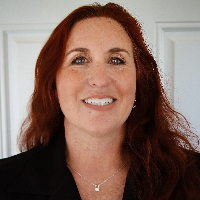
Therapist profile
Reiss Hurt, AASW
Registered with AASW 4 years in practice Online sessions
AASW social worker - stress and anxiety
About Reiss
Reiss Hurt is an AASW social worker with four years' experience helping people with stress, anxiety, trauma, depression and self-esteem concerns. He offers practical, goal-focused support for problems that affect daily life and work. Sessions are aimed at noticing unhelpful thoughts and trying different ways of responding.
Reiss uses Cognitive Behavioural Therapy alongside mindfulness and solution-focused techniques. He draws on focused psychological strategies when people present with complex mental health needs.
Background and approach
That means sessions combine clear steps, short experiments and grounded exercises rather than long, abstract discussion. He regularly works with people dealing with career pressures, compassion fatigue, addictions and relationship or intimacy-related issues. He also supports those managing grief, caregiving stress, body image concerns and the effects of trauma or abuse.
Additional areas of attention include attachment and commitment issues, codependency and communication problems. The approach is collaborative and practical. Reiss helps people set small, measurable goals and tries techniques they can use between sessions.
He explains tools plainly and checks what works for each person rather than assuming one method fits all. Reiss practices in Australia and provides services in English. Fees vary by location and sessions run on a subscription that can be cancelled at any time.
To begin, people complete a short matching questionnaire and schedule a first session via the See online therapy options button.
What Reiss works with
The areas Reiss lists on their profile, in their own terms. If what you would like to work on is not on the list, it is fine to ask about it.
- Self esteem
- Career difficulties
- Coping with life changes
- Compassion fatigue
- Stress, Anxiety
- Addictions
- LGBT
- Relationship issues
- Family conflicts
- Trauma and abuse
- Grief
- Intimacy-related issues
- Parenting issues
- Depression
- Coaching
- ADHD
- Abandonment
- Antisocial personality
- Attachment issues
- Avoidant personality
- BDSM, kink, and alternative sex culture
- Blended family issues
- Body image
- Caregiver issues and stress
- Codependency
- Commitment issues
- Communication problems
- Control issues
- Coping with natural or human-caused disaster
- Dissociation
- Domestic violence
- Drug and alcohol addiction
- Family problems
- First responder issues
- Forgiveness
- Guilt and shame
- Impulsivity
- Infidelity
- Isolation / loneliness
- Jealousy
- Life purpose
- Men's issues
- Midlife crisis
- Veteran and Armed Forces Issues
- Money and financial issues
- Obsessions, compulsions, and OCD
- Panic disorder and panic attacks
- Paranoia
- Post-traumatic stress
- Pregnancy and childbirth
- Prejudice and discrimination
- Process addiction (porn, exercise, gambling)
- Self-love
- Sex addiction
- Smoking / vaping cessation
- Social anxiety and phobia
- Workplace issues
- Young adult issues
Methods Reiss lists
- Cognitive Behavioural Therapy (CBT)
- Mindfulness Therapy
- Motivational Interviewing
- Solution-Focused Therapy
Listing an approach is not evidence of training in it. This directory shows what each therapist names and does not check training records.
How CBT, mindfulness and brief therapies work online
Reiss commonly uses Cognitive Behavioural Therapy to map the links between thoughts, feelings and actions. CBT sessions include practical exercises, experiments to test beliefs and short homework tasks to try between meetings. This suits people wanting structured steps to change unhelpful patterns.He also uses Mindfulness Therapy to help people notice present-moment experience and reduce automatic reactivity. Mindfulness exercises are taught in simple routines and practised in brief sittings that fit into a busy schedule. Motivational Interviewing is used when people want to build or clarify their own reasons for change, focusing on small achievable steps.
Finding the right approach is part of the work. Reiss will discuss goals, preferences and what has or hasn’t helped before choosing methods. That discussion is collaborative and may combine CBT, mindfulness or motivational techniques depending on the person’s needs.
Session formats are not specified in the biography, so confirm available options before booking. Online sessions can make it easier to fit appointments around work, reduce travel time and allow short check-ins when busy. Practical scheduling and how a session runs are arranged with the therapist after the initial matching questionnaire.
We will earn a commission if you sign up through our link, at no cost to you. It does not change what you pay or the order of the listings.
Questions people ask about Reiss
What kinds of problems does he address?
He helps people with stress, anxiety, depression, trauma and self-esteem concerns, plus issues like addictions, relationship problems and caregiving stress.
How does he use Cognitive Behavioural Therapy?
He uses CBT to identify unhelpful thoughts and test new responses through small behavioural experiments and structured exercises.
What is his professional background?
He has four years' experience working as a social worker and has delivered focused psychological strategies for complex mental health presentations.
What credential does he hold and where is he based?
He is an AASW social worker based in Australia.
Which languages are sessions offered in?
Sessions are offered in English.
Can people outside Australia work with him?
International clients are not currently accepted.
How are sessions paid for?
Fees vary with location and sessions use a subscription model that can be cancelled at any time.
How do I get started?
Use the See online therapy options button, complete a short matching questionnaire, and schedule a first session.