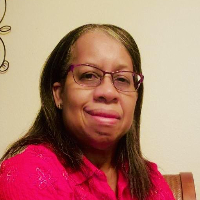
Therapist profile
Scott Caldwell, LPCC, LPC
Licensed in Pennsylvania 9 years in practice Online sessions
LPCC LPC - Relationships and Depression
About Scott
Scott Caldwell is an LPCC and LPC practicing in Ohio with nine years of clinical experience. He identifies as a Christian faith-based counselor and says his work emphasizes a client's Christian worldview and faith. He lists relationship and intimacy-related concerns, self esteem, depression, motivation, and confidence among his main focuses.
He uses a biopsychosocial spiritual approach that brings together life circumstances, mental and physical health, and faith. Scott aims to give people a setting where thoughts and feelings can be talked through without judgment.
Background and approach
Sessions are described as direct and practical, focusing on clear problems and steps to try. Scott integrates Cognitive Behavioral Therapy (CBT) along with Acceptance and Commitment Therapy (ACT), Attachment-Based methods, Dialectical Behavior Therapy (DBT), and elements of the Gottman Method. That mix is used to address anxiety, stress, grief, trauma, addictions, ADHD, and a range of relationship and family concerns.
He also notes work with issues such as abandonment, attachment problems, body image, and caregiver stress. People who come for help can expect conversations about patterns of thinking, behavior, and values, plus exercises to test new ways of responding. He mentions helping clients with coping skills, communication problems, and managing strong emotions like anger and emptiness.
To start, clients complete a brief matching questionnaire and schedule an initial session. Scott uses a subscription payment model that can be canceled at any time, with fees varying by location.
What Scott works with
The areas Scott lists on their profile, in their own terms. If what you would like to work on is not on the list, it is fine to ask about it.
- Relationship issues
- Intimacy-related issues
- Self esteem
- Depression
- Coping with life changes
- Stress, Anxiety
- Addictions
- Family conflicts
- Trauma and abuse
- Grief
- Anger management
- Career difficulties
- Bipolar disorder
- Compassion fatigue
- ADHD
- Abandonment
- Antisocial personality
- Attachment issues
- Autism and Asperger Syndrome
- Avoidant personality
- Blended family issues
- Body image
- Caregiver issues and stress
- Codependency
- Commitment issues
- Communication problems
- Dissociation
- Divorce and separation
- Emptiness
- Family of origin issues
- Fatherhood issues
- Forgiveness
- Guilt and shame
- Infidelity
- Isolation / loneliness
- Life purpose
- Men's issues
- Midlife crisis
- Mood disorders
- Narcissism
- Panic disorder and panic attacks
- Post-traumatic stress
- Process addiction (porn, exercise, gambling)
- Seasonal Affective Disorder (SAD)
- Self-love
Methods Scott lists
- Cognitive Behavioral Therapy (CBT)
- Acceptance and Commitment Therapy (ACT)
- Attachment-Based Therapy
- Dialectical Behavior Therapy (DBT)
- Gottman Method
- Mindfulness Therapy
- Motivational Interviewing
- Narrative Therapy
- Solution-Focused Therapy
- Internal Family Systems
Listing an approach is not evidence of training in it. This directory shows what each therapist names and does not check training records.
How his approaches shape online sessions
Scott uses Cognitive Behavioral Therapy to help people notice patterns of thinking and behavior, then try clear experiments to change them; this can help with anxiety, depression, and low self esteem. He also uses Acceptance and Commitment Therapy to clarify values and build committed action when feelings or thoughts are painful. Attachment-Based methods are used to look at how past relationships shape current closeness and communication problems.Choosing the right approach is part of the work. Scott will discuss goals, preferences, and what has or hasn’t helped before. He treats this as a collaborative process and may combine methods to fit the client’s needs over time.
The profile does not list specific session formats, so confirm available online options before booking. Online sessions can make it easier to fit work on behaviors and communication into a regular routine, shorten check-ins on hard days, and reduce travel time. Discuss format and scheduling during the initial matching questionnaire so sessions align with daily life and practical needs.
We will earn a commission if you sign up through our link, at no cost to you. It does not change what you pay or the order of the listings.
Questions people ask about Scott
What concerns does he help with most often?
He lists relationship and intimacy issues, self esteem, depression, motivation, and confidence among his primary concerns. Additional areas include anxiety, stress, addictions, trauma, grief, ADHD, and family of origin issues.
How does he use Cognitive Behavioral Therapy in sessions?
CBT is used to identify unhelpful thoughts and behaviors and then try new responses. Sessions include practical exercises and steps to test what works in daily life.
What is his professional background?
He has nine years of professional work experience and practices from a biopsychosocial spiritual approach that includes a focus on Christian faith when relevant.
What are his credentials and where is he based?
He holds LPCC and LPC credentials and is licensed in Ohio and Pennsylvania as listed in his profile.
Which languages are supported and can international clients be seen?
Sessions are offered in English and he is not currently accepting international clients.
What session formats are available?
The original profile does not specify session formats; please confirm current online and in-person options before booking.
How does cost and payment work?
Fees vary with location and therapy uses a subscription that can be canceled at any time.
How do I get started with him?
Begin by selecting the See online therapy options button, completing a short matching questionnaire, and then scheduling a first session.