Therapist profile
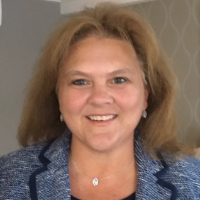
Scott Pranis, LCSW
Licensed in New York 19 years in practice Online sessions
LCSW - Anxiety and Relationship Concerns
About Scott
Scott Pranis is a Licensed Clinical Social Worker (LCSW) in New York with 19 years of experience. He works with common concerns like anxiety, depression, bipolar disorder, relationship strain, parenting challenges, trauma and substance use. He also helps with work stress, grief, self-esteem, anger, and navigating life transitions.
Scott takes a practical, goal-oriented approach. He listens to what feels most urgent, then uses evidence-based tools to test new ways of thinking and acting.
Background and approach
He draws on Cognitive Behavioral Therapy to spot unhelpful thoughts and habits, and uses elements of Dialectical Behavior Therapy and Motivational Interviewing when they fit the problem. Sessions are conversational and focused on skills you can try between meetings. He helps people break big problems into concrete steps and tracks small changes.
Narrative Therapy and Client-Centered techniques inform how he explores personal stories and values. Scott has worked across clinics, hospital settings, correctional facilities, and in people’s homes. That variety shaped a practical style that emphasizes what works in daily life.
He aims to help people clarify goals and make measurable progress. People who contact him can expect direct feedback and collaborative problem solving. He encourages short experiments - trying a new response and checking the results.
This keeps work focused and manageable for busy lives. Because he has experience with relationship and family topics, he often helps people sort communication and blended family issues. He also supports caregivers managing stress and people coping with mood disorders or impulsivity.
What Scott works with
The areas Scott lists on their profile, in their own terms. If what you would like to work on is not on the list, it is fine to ask about it.
- Stress, Anxiety
- Relationship issues
- Trauma and abuse
- Self esteem
- Bipolar disorder
- Addictions
- Family conflicts
- Grief
- Intimacy-related issues
- Parenting issues
- Anger management
- Career difficulties
- Depression
- Coping with life changes
- Coaching
- Blended family issues
- Caregiver issues and stress
- Communication problems
- Control issues
- Family problems
- Guilt and shame
- Impulsivity
- Men's issues
- Midlife crisis
- Mood disorders
- Post-traumatic stress
- Self-harm
- Workplace issues
Methods Scott lists
- Cognitive Behavioral Therapy (CBT)
- Client-Centered Therapy
- Dialectical Behavior Therapy (DBT)
- Motivational Interviewing
- Narrative Therapy
- Solution-Focused Therapy
- Trauma-Focused Therapy
Listing an approach is not evidence of training in it. This directory shows what each therapist names and does not check training records.
How his approaches translate to online sessions
Scott frequently uses Cognitive Behavioral Therapy to help people notice and test unhelpful thoughts and behaviors. CBT focuses on specific problems, offers clear exercises, and helps people try different responses between meetings. Client-Centered Therapy informs how he listens and reflects a person’s priorities, keeping the work grounded in what matters to the client. Dialectical Behavior Therapy contributes skills for emotion regulation, distress tolerance, and communication when those tools are useful.Choosing an approach is a collaborative process. He reviews goals and preferences with each person and recommends strategies that match those aims. Over the first few meetings he checks whether a method is helping and adjusts the plan as needed.
Confirm the session formats before booking, as the biography does not list specific options. Online work can make therapy easier to fit into a busy schedule by reducing travel time and allowing shorter check-ins around work or caregiving. It can also make it simpler to practice skills in everyday contexts, for example trying a new communication technique between sessions and reporting back. Licensed professionals can adapt CBT and DBT exercises to remote sessions so the work stays structured and practical.
We will earn a commission if you sign up through our link, at no cost to you. It does not change what you pay or the order of the listings.
Questions people ask about Scott
What concerns does he commonly address?
He works with stress, anxiety, depression, bipolar disorder, relationship and family issues, trauma, addictions, parenting strain, grief, and work problems.
How would he describe his therapeutic style?
His style is practical and goal-focused. He uses conversational sessions to identify manageable steps and track small changes.
What is his professional background?
He has 19 years of experience working in clinics, hospitals, correctional settings, and homes with a wide range of concerns.
What are his credentials and where is he based?
He is an LCSW licensed in New York and practices out of New York.
Which languages are offered for sessions?
Sessions are offered in English.
Does he work with international clients?
He is not currently accepting international clients.
How are sessions scheduled and paid for?
Cost varies with location and sessions use a subscription that can be canceled at any time.
How do I begin working with him?
Select the See online therapy options button, complete a short matching questionnaire, and schedule your first session.