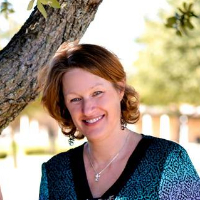
Therapist profile
Stephanie Speller-Henderson, LCMHC
Licensed in North Carolina 19 years in practice Online sessions
LCMHC in North Carolina - Stress and relationships
About Stephanie
Stephanie Speller-Henderson is a Licensed Clinical Mental Health Counselor (LCMHC) in North Carolina with 19 years of experience. She helps people with stress, anxiety, relationship and family issues, trauma and abuse, and depression. She also focuses on attachment struggles, caregiver stress, communication problems, and workplace concerns.
She holds a Master of Arts in Community Counseling from the University of North Carolina at Charlotte and a Master in Theology in Pastoral Care and Counseling from Hood Theological Seminary.
Background and approach
She has worked in emergency rooms, community counseling centers, schools, churches, group settings, and independent practice. She has also taught locally and nationally about care for people living with HIV and AIDS. Stephanie describes her work as a collaborative professional relationship where the client plays an active role in goal setting and progress.
She uses assessment information to decide which techniques to try and reviews goals with each person. She emphasizes client responsibility for decisions, actions, and follow-through in treatment. Her practice uses an integrated approach that includes Cognitive Behavioral Therapy.
That means she looks at how thoughts influence feelings and behavior, and uses behavior-based techniques such as cognitive restructuring, relaxation, and self-management exercises. Other methods she draws on include narrative and psychodynamic ideas, solution-focused tasks, and client-centered principles. She has specific experience with substance-related concerns, grief and loss, post-traumatic stress, forgiveness, guilt and shame, and end-of-life and hospice issues.
People who want structured, practical work on thinking patterns and everyday habits often choose to work with her.
What Stephanie works with
The areas Stephanie lists on their profile, in their own terms. If what you would like to work on is not on the list, it is fine to ask about it.
- Stress, Anxiety
- Relationship issues
- Family conflicts
- Trauma and abuse
- Depression
- Attachment issues
- Caregiver issues and stress
- Communication problems
- Family of origin issues
- Family problems
- Forgiveness
- Guilt and shame
- HIV / AIDS
- Hospice and end-of-life counseling
- Post-traumatic stress
- Women's issues
- Workplace issues
Methods Stephanie lists
- Cognitive Behavioral Therapy (CBT)
- Client-Centered Therapy
- Narrative Therapy
- Psychodynamic Therapy
- Solution-Focused Therapy
- Trauma-Focused Therapy
Listing an approach is not evidence of training in it. This directory shows what each therapist names and does not check training records.
How her approaches translate to online work
Client-Centered Therapy focuses on giving people a respectful, listening environment and encourages them to lead the topics. This approach helps when someone needs a steady, reflective space to talk through decisions and emotions. Cognitive Behavioral Therapy (CBT) looks at how thoughts affect feelings and behavior and uses practical exercises like cognitive restructuring, relaxation training, and self-management plans. CBT is useful for anxiety, stress, depression, and everyday habit changes. Narrative Therapy helps people reframe life events and the stories they tell about themselves, which can be helpful for trauma, guilt, and relationship patterns.Finding the right approach is part of the work. The therapist collaborates with each person to decide which methods to try based on goals and what seems to help. Clients and the therapist review progress and adjust techniques as needed so the plan stays relevant to daily life.
The original biography does not list specific online formats. Confirm the available session types before booking. Online work can make it easier to fit therapy into a busy schedule, allow shorter check-ins when time is limited, and avoid travel time. Therapists and licensed professionals will discuss how sessions will run and what practical arrangements fit the client's routine.
We will earn a commission if you sign up through our link, at no cost to you. It does not change what you pay or the order of the listings.
Questions people ask about Stephanie
What kinds of concerns does she address?
She works with stress, anxiety, relationship and family problems, trauma and abuse, and depression. Additional focuses include attachment issues, caregiver stress, workplace problems, and end-of-life concerns.
How would you describe her therapeutic style?
She uses an integrated, practical style that emphasizes collaboration. Techniques are chosen from assessment information and include behavior-focused exercises and talk-based work.
How long has she been practicing?
She has 19 years of clinical experience working in hospitals, schools, community centers, churches, and independent practice.
What are her credentials and where is she located?
She is credentialed as an LCMHC with a North Carolina LCMHC designation and practices in North Carolina.
Can I work with her if I live outside the United States?
Sessions are offered in English and she is not accepting international clients at this time.
What session formats does she offer?
The original profile does not specify session formats. Confirm current session options before booking to know whether sessions are phone or video or another arrangement.
How are fees handled?
Cost varies with location and sessions use a subscription that can be canceled at any time.
What should I do to begin working with her?
Select the See online therapy options button, complete the short matching questionnaire, and schedule a first session.