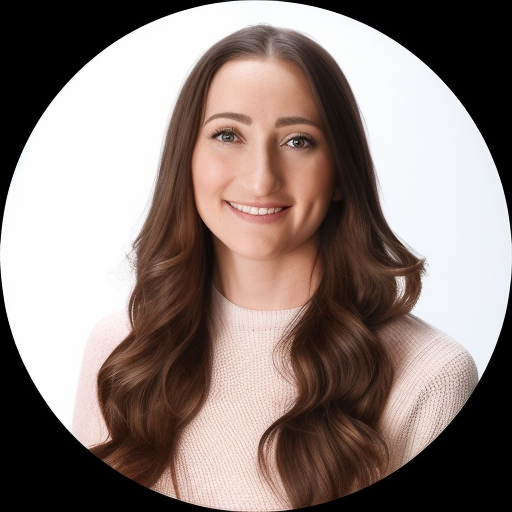
Therapist profile
Amy Shafer, LCSW
Licensed in California 30 years in practice Online sessions
LCSW focused on anxiety and life transitions
About Amy
Amy Shafer is a Licensed Clinical Social Worker (LCSW) in California with 30 years of clinical experience. She works with adults on stress, anxiety, depression, grief, relationship and family issues, addiction concerns, parenting strains, and age-related transitions.
She trained in psychology and human development at Cal Poly San Luis Obispo and completed a Master of Social Work at San Diego State University in 1991, then gained her California LCSW in 1994.
Background and approach
Over three decades she has worked across settings and with many age groups, most recently focusing on adult and geriatric individuals and their families. Her practice emphasizes clear, practical tools for managing difficult feelings and situations. She uses approaches such as cognitive behavioral techniques and acceptance work to notice unhelpful thoughts and try different responses.
Sessions often include problem solving, paced exposure to upsetting topics, and skills for day-to-day coping. Amy also draws on client-centered and emotionally-focused work to support conversations about relationships and family dynamics. Mindfulness methods are used to help people interrupt automatic reactions and ground themselves when stress levels rise.
She commonly helps people adjust to loss, chronic illness, caregiving roles, and other life changes. Her background includes work with trauma, abuse recovery, communication problems, codependency, and intimacy-related struggles. Prospective clients should confirm current session formats before booking.
Amy offers straightforward, skill-focused care aimed at practical change. She helps people identify patterns, try new behaviors, and manage the everyday tasks of coping with life stressors.
What Amy works with
The areas Amy lists on their profile, in their own terms. If what you would like to work on is not on the list, it is fine to ask about it.
- Stress, Anxiety
- Grief
- Self esteem
- Depression
- Coping with life changes
- Addictions
- LGBT
- Relationship issues
- Family conflicts
- Trauma and abuse
- Intimacy-related issues
- Sleeping disorders
- Parenting issues
- Compassion fatigue
- Abandonment
- Aging and geriatric issues
- Avoidant personality
- Blended family issues
- Cancer
- Caregiver issues and stress
- Chronic pain, illness, and disability
- Co-morbidity
- Codependency
- Commitment issues
- Communication problems
- Control issues
- Coping with natural or human-caused disaster
- Dependent personality
- Family of origin issues
- Family problems
- Fatherhood issues
- Fertility issues
- First responder issues
- Forgiveness
- Guilt and shame
- Hoarding
- Hospice and end-of-life counseling
- Isolation / loneliness
- Life purpose
- Mood disorders
- Obsessions, compulsions, and OCD
- Panic disorder and panic attacks
- Post-traumatic stress
- Self-love
- Social anxiety and phobia
- Women's issues
Methods Amy lists
- Cognitive Behavioral Therapy (CBT)
- Acceptance and Commitment Therapy (ACT)
- Client-Centered Therapy
- Emotionally-Focused Therapy (EFT)
- Mindfulness Therapy
- Solution-Focused Therapy
Listing an approach is not evidence of training in it. This directory shows what each therapist names and does not check training records.
How CBT, ACT, and client-centered work translate to online sessions
Amy commonly uses cognitive behavioral techniques to identify thought patterns and test small behavior changes. CBT helps with anxiety, low mood, sleep problems, and practical coping skills by breaking problems into steps and trying concrete experiments.She also incorporates Acceptance and Commitment Therapy, which focuses on clarifying personal values and learning to act despite difficult feelings. ACT supports people facing loss, caregiving stress, chronic illness, and life transitions by building committed action toward meaningful goals.
Client-centered methods are used to keep the conversation focused on the client's experience and priorities. That approach helps when addressing relationship concerns, family dynamics, and intimacy-related issues by making room for the client's perspective and goals.
Finding the right mix of methods is a collaborative process. The therapist will discuss goals and preferences and recommend approaches to try, adjusting them as needed based on what works for the client.
Session formats are not specified in the biography, so confirm current online options before booking. Online sessions can make it easier to fit therapy into a workday, reduce travel time, allow shorter check-ins when needed, or avoid being on camera if preferred. Discuss format preferences when arranging the first session so practical arrangements match daily life.
We will earn a commission if you sign up through our link, at no cost to you. It does not change what you pay or the order of the listings.
Questions people ask about Amy
What kinds of concerns does she address?
She works with stress, anxiety, depression, grief, relationship and family issues, addictions, parenting strain, aging and related transitions, and trauma and abuse recovery.
How does she use CBT in sessions?
She uses cognitive behavioral techniques to help people notice unhelpful thoughts and test different responses through behavioral experiments and practical skill building.
What is her clinical background?
She holds a Master of Social Work from San Diego State University and has 30 years of experience working in many settings with a range of age groups.
What are her professional credentials and location?
She is a Licensed Clinical Social Worker, CA LCSW, based in California.
Which languages are sessions offered in?
Sessions are offered in English.
Can people outside the US work with her?
She does not accept international clients at this time.
How are fees handled?
Cost varies by location; sessions use a subscription model that can be canceled at any time.
What is the first step to begin?
Select the See online therapy options button, complete the short matching questionnaire, and schedule a first session.