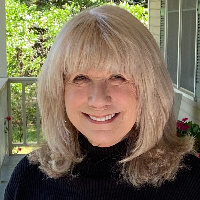
Therapist profile
Audrey DiFilippo, LCMHC
Licensed in North Carolina 21 years in practice Online sessions
LCMHC in North Carolina - Anxiety and Life Changes
About Audrey
Audrey DiFilippo is a Licensed Clinical Mental Health Counselor (LCMHC) practicing in North Carolina with 21 years of experience. She helps people manage stress, anxiety, low self-esteem, depression, grief, and relationship or parenting concerns. Audrey also works with trauma and abuse, bipolar concerns, and life changes that disrupt daily routines.
She uses practical, evidence-informed methods to notice and change unhelpful thoughts and habits. Sessions focus on clear goals, skills people can try between meetings, and small steps that fit real life.
Background and approach
The work often includes checking how thoughts influence feelings and behaviors, and testing new ways of responding. Audrey combines Cognitive Behavioral Therapy with Acceptance and Commitment Therapy and client-centered listening. Mindfulness and solution-focused techniques are also part of the mix.
That means sessions can include attention to present-moment experience, value clarification, and short-term planning that targets immediate problems. Her style is straightforward and task-oriented. People can expect to set concrete objectives, practice skills, and review progress each session.
The therapist pays attention to what works for each person and adjusts tools as needed. Audrey’s background supports work across a wide range of concerns, including aging and caregiver stress, attachment and communication problems, fertility or family-related stress, and coping after disasters or separation. She offers help aimed at improving daily functioning and managing intense emotions.
To begin, prospective clients complete a short matching questionnaire and schedule an initial session to identify priorities and next steps.
What Audrey works with
The areas Audrey lists on their profile, in their own terms. If what you would like to work on is not on the list, it is fine to ask about it.
- Stress, Anxiety
- Self esteem
- Depression
- Coping with life changes
- Relationship issues
- Family conflicts
- Trauma and abuse
- Grief
- Intimacy-related issues
- Parenting issues
- Anger management
- Career difficulties
- Bipolar disorder
- Coaching
- Aging and geriatric issues
- Attachment issues
- Blended family issues
- Caregiver issues and stress
- Commitment issues
- Communication problems
- Coping with natural or human-caused disaster
- Divorce and separation
- Domestic violence
- Emptiness
- Family problems
- Fertility issues
- Forgiveness
- Guilt and shame
- Hoarding
- Isolation / loneliness
- Life purpose
- Midlife crisis
- Mood disorders
- Multicultural concerns
- Obsessions, compulsions, and OCD
- Panic disorder and panic attacks
- Phobias
- Postpartum depression
- Post-traumatic stress
- Pregnancy and childbirth
- Seasonal Affective Disorder (SAD)
- Self-love
- Social anxiety and phobia
- Women's issues
- Workplace issues
- Young adult issues
Methods Audrey lists
- Cognitive Behavioral Therapy (CBT)
- Acceptance and Commitment Therapy (ACT)
- Client-Centered Therapy
- Mindfulness Therapy
- Solution-Focused Therapy
Listing an approach is not evidence of training in it. This directory shows what each therapist names and does not check training records.
How she uses CBT, ACT and mindfulness online
Audrey often draws on Cognitive Behavioral Therapy to help people identify unhelpful thought patterns and test new behaviors. CBT work typically includes keeping brief records of thoughts, trying small behavioral experiments, and measuring changes in mood and activity.She also uses Acceptance and Commitment Therapy to clarify values and focus on actions that matter. ACT techniques may include noticing difficult thoughts without getting stuck and choosing small, value-driven steps. Mindfulness methods are used to increase present-moment awareness and reduce reactivity through short practices.
Finding the best approach is a collaborative process. The therapist will discuss goals, preferences, and practical constraints, then try methods that fit those priorities. Sessions include checking progress and adjusting strategies together as needed.
Session formats are not specified here, so confirm the current online options before booking. Online work can make it easier to fit appointments into a busy schedule, allow shorter check-ins when time is limited, and remove travel time. Licensed professionals can use online meetings to review worksheets, practice skills in-session, and set tasks to try between meetings.
We will earn a commission if you sign up through our link, at no cost to you. It does not change what you pay or the order of the listings.
Questions people ask about Audrey
What concerns does she address most often?
She addresses stress, anxiety, depression, low self-esteem, grief, trauma and relationship or parenting issues among other concerns.
How would she describe her therapeutic approach?
Her approach uses Cognitive Behavioral Therapy, Acceptance and Commitment Therapy, client-centered listening, mindfulness, and solution-focused techniques to create practical skills and short-term plans.
How much experience does she have?
She has 21 years of professional experience working with a broad range of concerns and life stages.
What credential does she hold and where is she based?
She is an LCMHC (Licensed Clinical Mental Health Counselor) licensed in North Carolina and practices in that state.
Which languages are supported for sessions?
Sessions are offered in English.
Can people from other countries work with her?
International clients are not currently accepted.
What should I expect about session formats?
Please confirm the current session options before booking so you know which formats are offered for meetings and follow-ups.
How do fees and the subscription work?
Cost varies with location; sessions use a subscription model that can be canceled at any time.