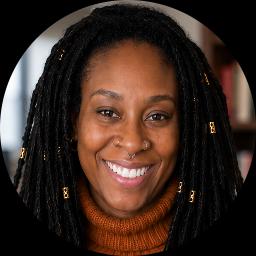
Therapist profile
Avery Alexander, LCSW
Licensed in Utah 5 years in practice Online sessions
LCSW - Mood and anxiety support
About Avery
Avery Alexander is an LCSW (Licensed Clinical Social Worker) with five years of clinical experience based in Utah. She focuses on stress, anxiety, anger, self-esteem, depression, coping with life changes, addictions, LGBT concerns, trauma and abuse, grief, sleep, career matters, bipolar disorder, compassion fatigue, and ADHD. Avery writes plainly and aims to help people who want concrete strategies and clearer day-to-day coping.
Before practicing in Utah, she earned a Bachelor of Science in Human Services with a focus on counseling and a Master of Social Work.
Background and approach
Her background includes years of community outreach and mentoring work. Those roles shaped how she approaches therapeutic work and informed her interest in diverse communities. Avery uses Cognitive Behavioral Therapy alongside client-centered ideas, dialectical behavior therapy skills, mindfulness techniques, and motivational interviewing.
Sessions tend to focus on noticing unhelpful thoughts, testing different responses, and building small practical habits that change daily functioning. She also draws on narrative therapy ideas to look at personal stories and meaning. People who reach out often want clear tools for managing symptoms, stopping unhelpful patterns, or making a plan for life changes.
Avery works in a straightforward way - identifying problems, setting short-term goals, and practicing specific skills between sessions. She supports people working through relationship communication problems, attachment concerns, body image, addiction issues, and grief. She conducts work in English and practices from a foundation of community-informed experience.
Prospective clients are invited to learn more about how sessions are arranged and what to expect before scheduling a first appointment.
What Avery works with
The areas Avery lists on their profile, in their own terms. If what you would like to work on is not on the list, it is fine to ask about it.
- Stress, Anxiety
- Anger management
- Self esteem
- Depression
- Coping with life changes
- Addictions
- LGBT
- Family conflicts
- Trauma and abuse
- Grief
- Sleeping disorders
- Career difficulties
- Bipolar disorder
- Compassion fatigue
- ADHD
- Abandonment
- Adoption and foster care
- Attachment issues
- Blended family issues
- Body image
- Codependency
- Communication problems
- Disruptive Mood Dysregulation Disorder (DMDD)
- Drug and alcohol addiction
- Isolation / loneliness
- Mood disorders
- Personality disorders
- Self-love
- Smoking / vaping cessation
- Trichotillomania
- Young adult issues
Methods Avery lists
- Cognitive Behavioral Therapy (CBT)
- Client-Centered Therapy
- Dialectical Behavior Therapy (DBT)
- Mindfulness Therapy
- Motivational Interviewing
- Narrative Therapy
- Solution-Focused Therapy
- Trauma-Focused Therapy
- Internal Family Systems
Listing an approach is not evidence of training in it. This directory shows what each therapist names and does not check training records.
How cognitive and skills-based approaches translate online
Avery commonly uses Cognitive Behavioral Therapy to identify patterns of thinking and behavior that keep problems going. CBT sessions focus on breaking down specific worries, trying alternative responses, and setting short practical assignments that can be practiced between meetings.She also uses Dialectical Behavior Therapy skills for emotion regulation and distress tolerance. DBT skills give concrete tools for handling strong feelings and improving how someone manages impulses. Client-centered ideas guide how sessions are paced, with attention to listening and following the person's priorities rather than imposing a fixed plan.
Finding the right approach is part of the work together. Avery will discuss goals and preferences and suggest which methods to emphasize. That conversation is collaborative and may change as progress is tracked.
The practical benefits of online work include fitting sessions into busy schedules and reducing travel time. Confirm current session formats before booking, since specific online or phone formats are not specified here. Online options can make it easier to keep short weekly check-ins, attend without commuting, or try focused skill-practice between appointments.
We will earn a commission if you sign up through our link, at no cost to you. It does not change what you pay or the order of the listings.
Questions people ask about Avery
What concerns does she commonly address?
Avery works with stress, anxiety, anger, self-esteem, depression, coping with life changes, addictions, trauma and abuse, grief, sleep problems, career issues, bipolar disorder, compassion fatigue, and ADHD.
How does she use Cognitive Behavioral Therapy in sessions?
She uses CBT to help people notice unhelpful thoughts and test different ways of responding. Sessions include skill practice and simple experiments to change daily habits.
What is her professional background?
She has a Bachelor of Science in Human Services focused on counseling and a Master of Social Work, and five years of clinical experience working in community settings.
Where is she licensed and based?
She is an LCSW licensed in Utah and sees clients while practicing from that state.
Which languages are supported in sessions?
Sessions are offered in English.
Does she work with international clients?
She is not currently accepting international clients.
How are sessions arranged and what do they cost?
Cost varies with location and sessions use a subscription that can be canceled at any time; confirm pricing details before scheduling.
How do I begin working together?
Start by selecting the See online therapy options button, completing a short matching questionnaire, and scheduling a first session.