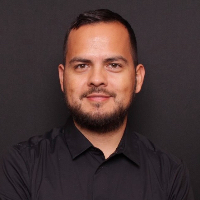
Therapist profile
Donald Bliss, LCSW
Licensed in California 40 years in practice Online sessions
LCSW - Stress and Addictions
About Donald
Donald Bliss is an LCSW (Licensed Clinical Social Worker) based in California with 40 years of experience in mental health and addictions. He works with people dealing with stress, anxiety, depression, addictions, relationship and intimacy concerns, grief, parenting challenges, and trauma and abuse.
He also lists LGBT concerns, bipolar mood concerns, career questions, and coping with life changes among his areas of focus. He uses a mix of practical, talk-based methods.
Background and approach
Cognitive Behavioral Therapy (CBT) is one of his approaches, alongside client-centered work, mindfulness, motivational interviewing, and narrative therapy. Sessions focus on noticing unhelpful thoughts and habits, trying different ways of responding, and building skills that make everyday life easier. Bliss draws on a long public and nonprofit career in outpatient, inpatient, residential, and community settings.
His background includes work in employee assistance programs, program design and evaluation, and both individual and group psychotherapy. He also has direct experience in addictions treatment and case management. He lived and worked in many parts of the US and abroad, and he speaks English and Portuguese.
His education includes a bachelor’s degree with a focus on child and adolescent welfare and a master’s degree in social work with concentrations in employee assistance programs and addictions. Those training choices inform his interest in parenting, foster and adoption topics, and addiction recovery. In sessions he aims to support, encourage, and challenge people to try new options for thinking and behaving.
He helps clients identify practical steps toward their goals and explores concrete changes that fit each person’s life.
What Donald works with
The areas Donald lists on their profile, in their own terms. If what you would like to work on is not on the list, it is fine to ask about it.
- Stress, Anxiety
- Addictions
- LGBT
- Relationship issues
- Depression
- Family conflicts
- Trauma and abuse
- Grief
- Intimacy-related issues
- Parenting issues
- Self esteem
- Career difficulties
- Bipolar disorder
- Coping with life changes
- Coaching
- Abandonment
- Adoption and foster care
- Attachment issues
- Avoidant personality
- Blended family issues
- Chronic pain, illness, and disability
- Co-morbidity
- Codependency
- Commitment issues
- Communication problems
- Control issues
- Dependent personality
- Divorce and separation
- Drug and alcohol addiction
- Emptiness
- Family of origin issues
- Family problems
- Forgiveness
- Gender dysphoria
- Guilt and shame
- HIV / AIDS
- Hospice and end-of-life counseling
- Immigration issues
- Impulsivity
- Infidelity
- Isolation / loneliness
- Jealousy
- Life purpose
- Men's issues
- Midlife crisis
- Money and financial issues
- Mood disorders
- Multicultural concerns
- Obsessions, compulsions, and OCD
- Personality disorders
- Polyamory / non-monogamous relationships
- Prejudice and discrimination
- Process addiction (porn, exercise, gambling)
- Self-love
- Sex addiction
- Sexuality
- Social anxiety and phobia
- Workplace issues
- Young adult issues
Methods Donald lists
- Cognitive Behavioral Therapy (CBT)
- Client-Centered Therapy
- Mindfulness Therapy
- Motivational Interviewing
- Narrative Therapy
- Psychodynamic Therapy
- Solution-Focused Therapy
Listing an approach is not evidence of training in it. This directory shows what each therapist names and does not check training records.
How his approaches translate to online work
Donald Bliss uses Cognitive Behavioral Therapy to help people identify patterns of thought and behavior that cause distress, then practice small changes that reduce symptoms like anxiety or low mood. Client-centered work focuses on the person’s own goals and pace, offering listening and reflection that helps clarify what matters. Mindfulness Therapy teaches attention and grounding exercises to reduce reactivity and improve focus.Choosing an approach is part of the work. He collaborates with each person to see which methods fit their needs and goals. That may mean trying CBT techniques for a while, then adding mindfulness or motivational interviewing tools if those suit the problem better.
The biography does not list specific session formats, so confirm current online options before booking. Many people find online sessions easier to fit into busy schedules, require less travel time, and let short check-ins happen between other commitments. Others prefer longer sittings for deeper work. Talk with him about what schedule and session length would best fit everyday life so therapy can be practical and sustainable.
We will earn a commission if you sign up through our link, at no cost to you. It does not change what you pay or the order of the listings.
Questions people ask about Donald
What concerns does he work with most often?
He lists stress, anxiety, depression, addictions, relationship and intimacy issues, grief, parenting and trauma among his primary concerns.
How does he use Cognitive Behavioral Therapy?
He uses CBT to help notice and change unhelpful thoughts and habits. That work is paired with practical exercises people can try between sessions.
What kind of background does he bring to sessions?
He has 40 years in mental health and addictions, with roles in outpatient, inpatient, residential, and community programs as well as program management.
What are his credentials and where is he based?
He is an LCSW (Licensed Clinical Social Worker) licensed in California and practices from that state.
Does he work in other languages or internationally?
Sessions are offered in English and Portuguese, and he accepts international clients.
What session formats are offered?
The original biography does not specify session formats; confirm current session options before booking so you know how sessions are conducted.
How are session costs handled?
Cost varies with location and sessions use a subscription model that can be canceled at any time.
How do I begin working with him?
Select the See online therapy options button, complete a short matching questionnaire, and schedule a first session.