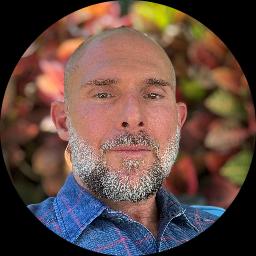
Therapist profile
James Jefferson, LCSW, LICSW
Licensed in South Carolina 6 years in practice Online sessions
Licensed social worker - anxiety and life changes
About James
James Jefferson is a Licensed Clinical Social Worker (LCSW) and a Licensed Independent Clinical Social Worker (LICSW) with six years of experience. He practices in South Carolina and focuses on stress, anxiety, self-esteem, depression, and coping with life changes among other concerns. He uses straightforward, skills-based methods to help people notice unhelpful thoughts and change unhelpful habits.
Sessions focus on practical steps clients can try between meetings. The aim is clearer thinking and more effective daily routines rather than long theoretical talks.
Background and approach
James draws on Cognitive Behavioral Therapy, Acceptance and Commitment Therapy, and client-centered approaches as tools. He also uses strategies from Dialectical Behavior Therapy and mindfulness when they fit a person’s goals. He chooses methods based on the problem at hand and what the client prefers.
Clients often work on managing anxiety, handling grief, addressing relationship and intimacy-related concerns, and coping with career or money stress. He also supports people dealing with addictions, ADHD, bipolar-related challenges, and identity issues such as gender dysphoria and LGBT concerns. Sessions tend to be practical and focused.
James will talk through goals, practice new skills in session, and suggest concrete exercises to try during the week. He asks about progress at the next meeting and adjusts plans as needed.
What James works with
The areas James lists on their profile, in their own terms. If what you would like to work on is not on the list, it is fine to ask about it.
- Stress, Anxiety
- Self esteem
- Depression
- Coping with life changes
- Coaching
- Addictions
- LGBT
- Relationship issues
- Family conflicts
- Trauma and abuse
- Grief
- Intimacy-related issues
- Parenting issues
- Anger management
- Career difficulties
- Bipolar disorder
- Compassion fatigue
- ADHD
- Aging and geriatric issues
- BDSM, kink, and alternative sex culture
- Co-morbidity
- Codependency
- Communication problems
- Family problems
- Fatherhood issues
- Forgiveness
- Gender dysphoria
- HIV / AIDS
- Infidelity
- Isolation / loneliness
- Men's issues
- Midlife crisis
- Money and financial issues
- Polyamory / non-monogamous relationships
- Prejudice and discrimination
- Process addiction (porn, exercise, gambling)
- Seasonal Affective Disorder (SAD)
- Self-harm
- Self-love
- Sex addiction
- Sexual assault and abuse
- Smoking / vaping cessation
- Trichotillomania
- Workplace issues
- Young adult issues
Methods James lists
- Cognitive Behavioral Therapy (CBT)
- Acceptance and Commitment Therapy (ACT)
- Client-Centered Therapy
- Dialectical Behavior Therapy (DBT)
- Mindfulness Therapy
- Motivational Interviewing
- Psychodynamic Therapy
- Solution-Focused Therapy
Listing an approach is not evidence of training in it. This directory shows what each therapist names and does not check training records.
How CBT and related approaches are used in online work
James uses Cognitive Behavioral Therapy to help clients notice and change unhelpful thoughts and habits. CBT sessions typically involve identifying specific thought patterns, testing them with experiments, and practicing alternative responses that reduce stress or anxiety.He also draws on Acceptance and Commitment Therapy to help people clarify values and take committed actions that match those values. Client-centered methods mean sessions include open listening and the client’s goals guiding what gets addressed. These approaches are practical and problem-focused, which can translate well to remote sessions.
Finding the right approach is part of the work. James will discuss what methods match a person’s goals and preferences and adjust the plan together. The client and therapist decide collaboratively which skills to try and how fast to progress.
The original biography does not list specific session formats, so confirm current online options before booking. Online work can make it easier to fit sessions into a busy week, allow shorter check-ins when needed, and remove the time spent traveling to appointments. It can also let people use quieter surroundings or simpler audio-only calls when that fits their day better.
We will earn a commission if you sign up through our link, at no cost to you. It does not change what you pay or the order of the listings.
Questions people ask about James
What concerns does he address most often?
He works with stress, anxiety, self-esteem, depression, coping with life changes, and related issues such as grief, addictions, and relationship concerns.
How does he use Cognitive Behavioral Therapy in sessions?
He uses CBT to help people identify unhelpful thoughts and test new ways of thinking and behaving. Sessions include skill practice and short exercises to try between meetings.
What is his professional background?
He has six years of clinical experience and works with a range of concerns including mood, anxiety, trauma and intimacy-related issues.
What credentials and location are listed?
He holds LCSW and LICSW credentials and practices in South Carolina.
Which languages and international options are supported?
Sessions are offered in English and he accepts international clients.
What session formats are available?
The original biography does not specify session formats; please confirm the current session options before booking.
How does pricing work?
Cost varies with location and sessions use a subscription that can be canceled at any time.
How do I begin working with him?
Select the See online therapy options button, complete a short matching questionnaire, and schedule a first session.