Therapist profile
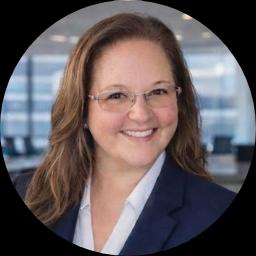
Joyce Clark Reid, LCMHC
Licensed in North Carolina 30 years in practice Online sessions
Licensed Clinical Mental Health Counselor - Stress and Relationships
About Joyce
Joyce Clark Reid is an LCMHC (Licensed Clinical Mental Health Counselor) practicing in North Carolina with 30 years of experience. She works with stress, anxiety, family concerns, trauma and abuse, parenting, addictions, relationship problems, grief, and mood concerns such as depression and ADHD. Joyce focuses on practical steps clients can use day to day to reduce distress and improve functioning.
She began as an elementary school teacher and shifted into counseling after seeing how relationship problems affected children’s learning and behavior.
Background and approach
That classroom experience shaped a straightforward approach to problems like noncompliance, anger, and anxiety. Joyce uses skills that aim to change unhelpful thoughts and behaviors so people can work better at school, home, and work. In sessions she helps people notice patterns that get in the way of progress.
She offers concrete strategies to manage emotions, improve communication, and set reachable goals. Clients learn ways to handle setbacks and steady their reactions to stressors. Joyce draws on Cognitive Behavioral Therapy, Attachment-Based Therapy, and client-centered ideas among other approaches.
She combines these to focus on problem-solving, motivation, and relationship skills rather than abstract theory. Her work often covers life transitions, grief, substance concerns, and long-term relationship difficulties. She emphasizes building resilience and practical coping habits.
To begin, she asks about current struggles, what the client wants to change, and the next small steps toward those goals.
What Joyce works with
The areas Joyce lists on their profile, in their own terms. If what you would like to work on is not on the list, it is fine to ask about it.
- Stress, Anxiety
- Family conflicts
- Trauma and abuse
- Parenting issues
- Coping with life changes
- Addictions
- Relationship issues
- Grief
- Intimacy-related issues
- Anger management
- Self esteem
- Career difficulties
- Depression
- ADHD
- Abandonment
- Aging and geriatric issues
- Attachment issues
- Autism and Asperger Syndrome
- Blended family issues
- Co-morbidity
- Codependency
- Commitment issues
- Communication problems
- Control issues
- Coping with natural or human-caused disaster
- Dependent personality
- Divorce and separation
- Domestic violence
- Drug and alcohol addiction
- Emptiness
- Family of origin issues
- Family problems
- Fatherhood issues
- Guilt and shame
- Impulsivity
- Infidelity
- Isolation / loneliness
- Jealousy
- Life purpose
- Men's issues
- Mood disorders
- Multicultural concerns
- Narcissism
- Panic disorder and panic attacks
- Polyamory / non-monogamous relationships
- Postpartum depression
- Post-traumatic stress
- Process addiction (porn, exercise, gambling)
- Self-harm
- Self-love
- Sexual assault and abuse
- Sexuality
- Women's issues
- Workplace issues
Methods Joyce lists
- Cognitive Behavioral Therapy (CBT)
- Attachment-Based Therapy
- Client-Centered Therapy
- Gottman Method
- Motivational Interviewing
- Narrative Therapy
- Solution-Focused Therapy
- Trauma-Focused Therapy
Listing an approach is not evidence of training in it. This directory shows what each therapist names and does not check training records.
How her approaches translate to online work
Joyce commonly draws on Cognitive Behavioral Therapy and Attachment-Based Therapy in her work. CBT focuses on spotting unhelpful thoughts and testing different responses to reduce stress and mood symptoms. Attachment-Based Therapy looks at how past and current relationship patterns affect feelings and behavior, which can help with intimacy, trust, and family concerns.Choosing the right approach is part of the therapy process. Joyce will work collaboratively to identify which methods fit the client’s goals and preferences. That decision is based on current problems, what has helped before, and practical goals for change.
The original biography does not list specific session formats, so confirm current online options before booking. When therapists offer remote sessions, common practical benefits include fitting appointments around work or caregiving, shorter check-ins by phone if needed, and avoiding travel time. Joyce aims to help people apply skills in everyday life and will discuss the best way to hold sessions that support those goals.
We will earn a commission if you sign up through our link, at no cost to you. It does not change what you pay or the order of the listings.
Questions people ask about Joyce
What problems does she commonly address?
She helps with stress, anxiety, parenting issues, family conflict, trauma and abuse, addictions, grief, depression, ADHD, and related concerns.
How does Joyce use Cognitive Behavioral Therapy?
She uses CBT techniques to identify unhelpful thoughts and change the behaviors that follow. That work focuses on practical exercises clients can use between sessions.
What is her professional background?
Joyce has 30 years of experience and began her career as an elementary school teacher before completing counseling training and moving into clinical work.
Where is she licensed and practicing?
She holds an LCMHC and practices in North Carolina.
In which languages can sessions be held?
Sessions are offered in English.
Does she work with international clients?
International clients are not currently accepted.
How are fees handled?
Cost varies with location and sessions use a subscription that can be canceled at any time.
How do I begin working with Joyce?
Click the See online therapy options button, complete a short matching questionnaire, and schedule a first session.