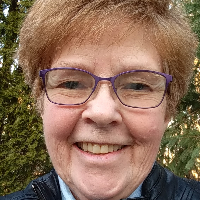
Therapist profile
Julie Schindhelm, LCSW
Licensed in Pennsylvania 22 years in practice Online sessions
PA LCSW - Stress and relationships
About Julie
Julie Schindhelm is a PA LCSW with 22 years of clinical experience. She works with people facing stress, anxiety, relationship and family concerns, trauma and abuse, depression, and a broad range of related issues. She also addresses parenting, sleep and eating difficulties, grief, ADHD, and career or life-change questions.
She uses straightforward, skills-based methods to help people reduce stress and clarify decisions. Sessions focus on noticing unhelpful thoughts and testing new ways of responding.
Background and approach
Julie draws on Cognitive Behavioral Therapy, Dialectical Behavior Therapy, Gottman principles, Acceptance and Commitment Therapy, and Emotionally-Focused Therapy as relevant to a person’s goals. Her approach is practical and problem-focused. She helps people break big problems into small, doable steps.
That can mean learning tools to manage panic, improving communication in a relationship, or building daily routines that support better sleep and mood. Julie has a background in marriage and family therapy and trauma-informed care. She works with both adolescents and adults on stress tolerance, coping skills, and decision-making.
Her experience includes assisting people through postpartum concerns, infertility and fertility stress, and recovery from infidelity. Sessions include active skill practice and homework so progress carries into day-to-day life. She aims to make therapy straightforward and easy to work into normal routines.
To begin, prospective clients complete a short matching questionnaire and schedule a first session. Services are provided in English and operate within Pennsylvania practice regulations. Because formats were not specified in the biography, confirm current session options before booking.
What Julie works with
The areas Julie lists on their profile, in their own terms. If what you would like to work on is not on the list, it is fine to ask about it.
- Stress, Anxiety
- Relationship issues
- Family conflicts
- Trauma and abuse
- Depression
- LGBT
- Grief
- Intimacy-related issues
- Eating disorders
- Sleeping disorders
- Parenting issues
- Anger management
- Self esteem
- Career difficulties
- Bipolar disorder
- Coping with life changes
- Coaching
- Compassion fatigue
- ADHD
- Communication problems
- Divorce and separation
- Family problems
- Fertility issues
- Guilt and shame
- Infidelity
- Isolation / loneliness
- Life purpose
- Panic disorder and panic attacks
- Postpartum depression
- Post-traumatic stress
- Pregnancy and childbirth
- Self-love
- Social anxiety and phobia
Methods Julie lists
- Cognitive Behavioral Therapy (CBT)
- Acceptance and Commitment Therapy (ACT)
- Dialectical Behavior Therapy (DBT)
- Emotionally-Focused Therapy (EFT)
- Gottman Method
- Mindfulness Therapy
- Psychodynamic Therapy
- Solution-Focused Therapy
- Trauma-Focused Therapy
Listing an approach is not evidence of training in it. This directory shows what each therapist names and does not check training records.
How her approaches translate to online work
Julie commonly uses Cognitive Behavioral Therapy to help people identify unhelpful thoughts and test new behaviors. CBT sessions often include concrete exercises and short assignments you can use between meetings to track progress and practice skills.She also uses Acceptance and Commitment Therapy to help people clarify what matters most and take small steps toward those values, and Dialectical Behavior Therapy to teach stress tolerance, emotion regulation, and interpersonal effectiveness skills. ACT focuses on values and committed action, while DBT emphasizes specific coping strategies for intense emotions.
Finding the right approach is part of the work together. She will discuss goals, preferences, and what feels most useful, and then adjust methods as needs change. That lets clients try an approach for a few sessions and shift if another method fits better.
The biography does not list specific session formats, so confirm current online options before booking. In general, online sessions can make it easier to fit meetings into a busy week, allow shorter check-ins when schedules are tight, and reduce travel time. These practical benefits can help people maintain regular practice of new skills and problemsolving between appointments.
We will earn a commission if you sign up through our link, at no cost to you. It does not change what you pay or the order of the listings.
Questions people ask about Julie
What kinds of concerns does she address?
She works with stress, anxiety, relationship and family issues, trauma and abuse, depression, and related areas like grief, parenting, sleep and eating problems.
How would you describe her therapeutic style?
Her style is practical and skills-based, focusing on noticing unhelpful thoughts, practicing new responses, and using concrete tools between sessions.
How much clinical experience does she have?
She has 22 years of experience working in mental health settings with adolescents and adults.
What are her credentials and where does she practice?
She is a PA LCSW and provides services within Pennsylvania.
Are sessions offered in other languages or to international clients?
Sessions are offered in English and international clients are not currently accepted.
What session formats are available?
The biography did not specify session formats; please confirm the current session options before booking.
How does cost work for sessions?
Cost varies with location and sessions use a subscription that can be canceled at any time.
What do I do to get started?
Select the See online therapy options button, complete a short matching questionnaire, and schedule a first session.