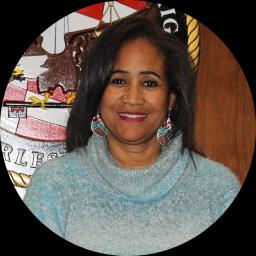
Therapist profile
Lenita Marquez, LMHC
Licensed in Washington 9 years in practice Online sessions
LMHC in Washington - Stress and Relationship Support
About Lenita
Lenita Marquez is a Licensed Mental Health Counselor (LMHC) in Washington with nine years of clinical experience. She supports people dealing with stress, anxiety, depression, addictions, trauma and abuse, relationship concerns, parenting strain, and related issues. Her style is practical and person-focused.
Sessions typically look at patterns of thinking and behavior and test straightforward skills to reduce distress. She uses Cognitive Behavioral Therapy along with client-centered listening and skills from Dialectical Behavior Therapy when helpful.
Background and approach
Lenita works with people navigating grief, intimacy questions, anger, compassion fatigue, and life changes such as separation or blended family challenges. She also addresses adoption and foster care concerns, attachment issues, body image, codependency, and substance-related problems. Her practice includes attention to LGBT-related stress and ADHD-related challenges.
In sessions she often combines skills training, problem solving, and careful reflection about choices and values. Conversations are paced to focus on immediate problems and on building habits that change daily life. Clients leave with specific strategies they can try between meetings.
Lenita’s background emphasizes clear, measurable steps rather than long philosophical discussion. Over nine years she has supported people through crisis and steady change, always focusing on practical coping strategies. She speaks English and practices in Washington, holding the LMHC credential.
What Lenita works with
The areas Lenita lists on their profile, in their own terms. If what you would like to work on is not on the list, it is fine to ask about it.
- Stress, Anxiety
- Addictions
- Trauma and abuse
- Self esteem
- Depression
- LGBT
- Relationship issues
- Family conflicts
- Grief
- Intimacy-related issues
- Parenting issues
- Anger management
- Coping with life changes
- Compassion fatigue
- ADHD
- Abandonment
- Adoption and foster care
- Attachment issues
- Blended family issues
- Body image
- Co-morbidity
- Codependency
- Commitment issues
- Communication problems
- Control issues
- Coping with natural or human-caused disaster
- Dependent personality
- Divorce and separation
- Domestic violence
- Drug and alcohol addiction
- Eating and food-related issues
- Emptiness
- Family of origin issues
- Family problems
- First responder issues
- Forgiveness
- Guilt and shame
- Hoarding
- Hospice and end-of-life counseling
- Immigration issues
- Impulsivity
- Infidelity
- Isolation / loneliness
- Jealousy
- Life purpose
- Midlife crisis
- Mood disorders
- Panic disorder and panic attacks
- Postpartum depression
- Post-traumatic stress
- Pregnancy and childbirth
- Seasonal Affective Disorder (SAD)
- Self-harm
- Self-love
- Sexual assault and abuse
- Sexuality
- Women's issues
- Workplace issues
- Young adult issues
Methods Lenita lists
- Cognitive Behavioral Therapy (CBT)
- Client-Centered Therapy
- Dialectical Behavior Therapy (DBT)
- Existential Therapy
- Gottman Method
- Mindfulness Therapy
- Motivational Interviewing
- Solution-Focused Therapy
- Trauma-Focused Therapy
Listing an approach is not evidence of training in it. This directory shows what each therapist names and does not check training records.
How her approaches translate to online work
Lenita commonly draws on Cognitive Behavioral Therapy to help people notice and change unhelpful thoughts and habits. CBT sessions focus on concrete exercises, behavior experiments, and short homework tasks to test new ways of coping. Client-Centered Therapy provides straightforward, nonjudgmental listening and reflection to clarify goals and values. Dialectical Behavior Therapy contributes concrete skills for emotion regulation and distress tolerance when emotions feel overwhelming.Finding the right approach is collaborative. She will work with the client to decide which methods fit current goals, symptoms, and daily routines. That process can include trying a skills-focused CBT plan, adding DBT techniques for strong emotions, or using client-centered conversations to set priorities.
Confirm the specific session formats before booking, as the profile does not list formats here. Online sessions can make it easier to fit therapy into busy schedules, allow shorter check-ins when needed, and reduce travel time. Many people use remote sessions to practice skills between meetings and to bring real-life problems into therapy more quickly.
We will earn a commission if you sign up through our link, at no cost to you. It does not change what you pay or the order of the listings.
Questions people ask about Lenita
What concerns does she commonly address?
She works with stress, anxiety, depression, trauma and abuse, addictions, relationship and family issues, grief, parenting strain, ADHD, and related challenges like body image and codependency.
How does she use Cognitive Behavioral Therapy?
She uses CBT to identify unhelpful thoughts and habits and to trial alternative ways of responding. Sessions include practical exercises and homework to test what helps.
What is her clinical experience?
She has nine years of experience working with people across a range of concerns, including mood disorders, trauma recovery, and addiction-related problems.
What qualifications and location does she hold?
She is a Licensed Mental Health Counselor (LMHC) practicing in Washington and holds the credential listed as WA LMHC LH.
Which languages are supported?
Sessions are offered in English.
Can people outside the US work with her?
International clients are not currently accepted.
How does billing and cost work?
Cost varies with location and sessions are provided via a subscription that can be canceled at any time.
What steps are needed to begin?
Choose the See online therapy options button, complete a short matching questionnaire, and schedule a first session.