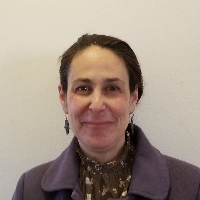
Therapist profile
Michael Anderson, LICSW
Licensed in Minnesota 6 years in practice Online sessions
LICSW in Minnesota - Stress and Anxiety
About Michael
Michael Anderson is a Licensed Independent Clinical Social Worker (LICSW) in Minnesota with six years of clinical experience. He works with people dealing with stress, anxiety, addiction, trauma and abuse, depression, relationship and intimacy issues, grief, sleep and eating concerns, and related problems. Michael also supports people facing career strain, compassion fatigue, ADHD, and identity questions in the LGBT community.
He draws on concrete, skills-based approaches in sessions. That includes Cognitive Behavioral Therapy (CBT) to spot unhelpful thinking and change patterns.
Background and approach
He also uses Dialectical Behavior Therapy (DBT) skills and emotion-focused methods to help manage strong feelings and improve communication. Michael describes his own background in blue-collar work and recovery from addiction and mood struggles. That practical experience shapes how he talks with people about setbacks and next steps.
He brings an interest in creativity, including music and photography, into therapeutic work when it fits the client’s goals. Sessions focus on noticing habits, testing new responses, and building daily routines that work. He uses mindfulness and some somatic tools to connect body responses with thoughts and feelings.
Anger management and trauma-informed perspectives are available when those issues are present. People who come with stuck patterns or repeated problems will find a structured, active approach. Michael recommends starting with a short intake to identify goals and the next few steps.
The format for sessions should be confirmed when booking.
What Michael works with
The areas Michael lists on their profile, in their own terms. If what you would like to work on is not on the list, it is fine to ask about it.
- Stress, Anxiety
- Addictions
- Trauma and abuse
- Depression
- LGBT
- Relationship issues
- Family conflicts
- Grief
- Intimacy-related issues
- Eating disorders
- Sleeping disorders
- Anger management
- Self esteem
- Career difficulties
- Bipolar disorder
- Coping with life changes
- Coaching
- Compassion fatigue
- ADHD
- Abandonment
- Aging and geriatric issues
- Attachment issues
- Body image
- Codependency
- Communication problems
- Control issues
- Dissociation
- Drug and alcohol addiction
- Eating and food-related issues
- Emptiness
- Family of origin issues
- Fatherhood issues
- First responder issues
- Guilt and shame
- Hospice and end-of-life counseling
- Isolation / loneliness
- Men's issues
- Midlife crisis
- Mood disorders
- Panic disorder and panic attacks
- Post-traumatic stress
- Self-harm
- Self-love
- Sexual assault and abuse
- Social anxiety and phobia
Methods Michael lists
- Cognitive Behavioral Therapy (CBT)
- Dialectical Behavior Therapy (DBT)
- Emotionally-Focused Therapy (EFT)
- Existential Therapy
- Jungian Therapy
- Mindfulness Therapy
- Narrative Therapy
- Psychodynamic Therapy
- Somatic Therapy
- Trauma-Focused Therapy
- Internal Family Systems
Listing an approach is not evidence of training in it. This directory shows what each therapist names and does not check training records.
How his approaches translate to online work
Michael often uses Cognitive Behavioral Therapy (CBT) online, which focuses on identifying unhelpful thoughts and trying different, practical responses. CBT helps with anxiety, depression, sleep and eating concerns, and many daily habits by breaking problems into clear steps and experiments.He also uses Dialectical Behavior Therapy (DBT) skills in a remote setting. DBT offers concrete tools for emotion regulation, distress tolerance, and improving communication. Those skills are useful for anger, relationship stress, and strong emotional reactions.
Finding the right approach is part of the process. He will work with the client to choose which methods to try based on the person’s goals and preferences, and adjust the plan as progress and challenges emerge. That collaboration helps focus each session on practical next steps.
The specific session formats available should be confirmed before booking. When arranged online, sessions can make it easier to fit therapy into a workday or reduce travel time. Other practical benefits include keeping short follow-up check-ins and practicing skills between sessions in everyday settings.
We will earn a commission if you sign up through our link, at no cost to you. It does not change what you pay or the order of the listings.
Questions people ask about Michael
What concerns does he help with most often?
He works with stress, anxiety, addiction, trauma and abuse, depression, relationship and intimacy issues, grief, sleep and eating problems, and related concerns.
How would you describe his therapeutic approach?
He uses practical, skills-based methods such as Cognitive Behavioral Therapy and DBT skills, combined with mindfulness and somatic techniques when helpful.
What is his professional background?
He has six years of clinical experience and previously worked in blue-collar industry, which he says informs his practical approach to therapy.
What credential and location does he use?
He holds an LICSW credential and practices in Minnesota.
Which languages are sessions offered in?
Sessions are offered in English.
Can people from other countries work with him?
International clients are not currently accepted.
How are sessions paid for and what does cost look like?
Cost varies with location and sessions use a subscription that can be canceled at any time.
What are the steps to begin working with him?
Use the See online therapy options button, fill out a short matching questionnaire, and schedule a first session.