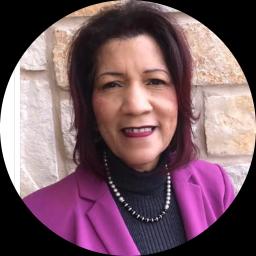
Therapist profile
Patrick Shanahan, LCSW
Licensed in Missouri 44 years in practice Online sessions
LCSW - relationships and addiction
About Patrick
Patrick Shanahan is a Licensed Clinical Social Worker (LCSW) in Missouri with 44 years of experience. He works with people dealing with relationship strain, grief, anger, self-esteem, depression, stress, anxiety, addictions, trauma and intimacy issues. He also helps with parenting, career shifts, coping with life changes, compassion fatigue and coaching concerns.
He begins from the view that people tend to self-correct when stuck points are identified and addressed. He pays attention to a person's value system when looking for direction and solutions.
Background and approach
He has studied comparative religions and cultures to better understand different perspectives and life choices. Patrick spent the first 18 years of his career creating and running an outpatient clinic attached to a runaway and homeless youth shelter. There he provided case management, individual therapy, and family work in both the shelter and community settings.
He also trained and supervised staff and graduate students and collaborated with a local university on research to refine the clinic's therapy model. Later work included providing professional Christian therapy at an outpatient group and 18 years in managed care doing phone-based therapy, benefits navigation, and crisis intervention.
His clinical methods draw on cognitive behavioral approaches, acceptance and commitment ideas, attachment-based work, client-centered methods, and emotionally focused practices. He has formal experience with brief family interventions, problem solving, structural and strategic systems ideas, hypnotherapy, communication theory, and addiction therapies. Patrick accepts international clients and conducts sessions in English.
To begin, clients complete a short matching questionnaire and schedule a first session.
What Patrick works with
The areas Patrick lists on their profile, in their own terms. If what you would like to work on is not on the list, it is fine to ask about it.
- Relationship issues
- Grief
- Anger management
- Self esteem
- Depression
- Stress, Anxiety
- Addictions
- Family conflicts
- Trauma and abuse
- Intimacy-related issues
- Parenting issues
- Career difficulties
- Coping with life changes
- Coaching
- Compassion fatigue
- Adoption and foster care
- Aging and geriatric issues
- Blended family issues
- Caregiver issues and stress
- Codependency
- Communication problems
- Coping with natural or human-caused disaster
- Divorce and separation
- Domestic violence
- Drug and alcohol addiction
- Family of origin issues
- Family problems
- Fatherhood issues
- First responder issues
- Forgiveness
- Guilt and shame
- Hospice and end-of-life counseling
- Infidelity
- Isolation / loneliness
- Jealousy
- Life purpose
- Men's issues
- Midlife crisis
- Veteran and Armed Forces Issues
- Money and financial issues
- Multicultural concerns
- Seasonal Affective Disorder (SAD)
- Self-love
- Workplace issues
- Young adult issues
Methods Patrick lists
- Cognitive Behavioral Therapy (CBT)
- Acceptance and Commitment Therapy (ACT)
- Attachment-Based Therapy
- Client-Centered Therapy
- Emotionally-Focused Therapy (EFT)
- Existential Therapy
- Hypnotherapy
- Jungian Therapy
- Mindfulness Therapy
- Narrative Therapy
- Psychodynamic Therapy
- Solution-Focused Therapy
- Internal Family Systems
Listing an approach is not evidence of training in it. This directory shows what each therapist names and does not check training records.
How his approaches translate to online work
Patrick uses Cognitive Behavioral Therapy to help people notice unhelpful thoughts and test small behavior changes. CBT sessions focus on concrete skills such as mood tracking, behavior experiments, and stepwise problem solving. Acceptance and Commitment Therapy (ACT) is used to clarify personal values and to practice accepting difficult feelings while taking value-driven actions. Attachment-Based Therapy looks at how important relationships shape patterns and helps people try different ways of relating to reduce repeated conflicts or distance.Finding the right approach is collaborative. He will talk through goals, try methods that fit a client's situation, and adjust as progress or challenges appear. Sessions may mix techniques so the work stays practical and focused on problems the person wants to change.
The biography does not list specific online formats, so confirm current session options before booking. In general, online work can make it easier to fit sessions into a busy schedule, allow shorter check-ins when needed, and avoid travel time. Patrick accepts international clients and conducts sessions in English; talk with him about the format that will fit your routine and goals.
We will earn a commission if you sign up through our link, at no cost to you. It does not change what you pay or the order of the listings.
Questions people ask about Patrick
What concerns does he help with most often?
He regularly works with relationship problems, grief, anger, self-esteem, depression, stress, anxiety, addictions, trauma, intimacy issues, parenting and career transitions.
How would he describe his therapeutic style?
His approach emphasizes practical problem solving and identifying stuck patterns. He uses methods from cognitive behavioral therapy, ACT, attachment-based work and emotionally focused techniques.
How much clinical experience does he have?
He has 44 years of experience across outpatient clinics, shelter-based programs, managed care, and independent practice settings.
What credential does he hold and where is he based?
He is a Licensed Clinical Social Worker (LCSW) licensed in Missouri and practices from that state.
Which languages are sessions offered in?
Sessions are offered in English. He also accepts international clients.
What session formats are available?
The original biography does not list specific session formats. Please confirm current session options before booking.
How are sessions billed or priced?
Cost varies by location and sessions use a subscription that can be canceled at any time.
What are the first steps to start working together?
Click the See online therapy options button, complete the short matching questionnaire, and schedule a first session.