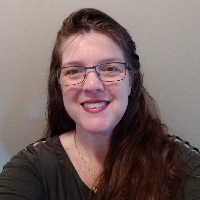
Therapist profile
Raylissa Batten, LCSW
Licensed in Tennessee 18 years in practice Online sessions
LCSW - stress and relationship concerns
About Raylissa
Raylissa Batten is a Licensed Clinical Social Worker (LCSW) practicing in Tennessee with 18 years in the mental health field. She has more than a decade of direct counseling experience helping people with stress, anxiety, relationship concerns, parenting challenges, motivation, self-esteem, and confidence. Raylissa writes plainly and focuses on practical steps people can try between sessions.
She uses Cognitive Behavioral Therapy alongside Acceptance and Commitment Therapy, Client-Centered Therapy, Dialectical Behavior Therapy, and mindfulness techniques.
Background and approach
In sessions she helps people notice patterns of thinking and behavior that keep problems going and then tries concrete alternatives. That can mean breaking problems into small steps, testing new responses, and practicing different ways to manage difficult emotions. Raylissa often addresses issues linked to attachment and abandonment, blended family stresses, communication and commitment problems, codependency, and body image concerns.
She also works with people facing caregiver stress, separation and divorce, and longstanding family-of-origin difficulties. Her approach emphasizes building practical skills and strengthening everyday routines. People who meet with her can expect clear explanations of methods and straightforward homework to try between meetings.
She supports clients in setting focused goals and tracking small changes over time. Sessions aim to be direct and actionable while honoring each person’s experience. Raylissa practices in Tennessee and conducts work in English.
If you want to proceed, confirm current session options and scheduling details before booking.
What Raylissa works with
The areas Raylissa lists on their profile, in their own terms. If what you would like to work on is not on the list, it is fine to ask about it.
- Stress, Anxiety
- Relationship issues
- Parenting issues
- Self esteem
- Depression
- Abandonment
- Attachment issues
- Avoidant personality
- Blended family issues
- Body image
- Caregiver issues and stress
- Codependency
- Commitment issues
- Communication problems
- Control issues
- Coping with natural or human-caused disaster
- Dependent personality
- Divorce and separation
- Family of origin issues
- Family problems
- Forgiveness
- Guilt and shame
- Impulsivity
- Infidelity
- Isolation / loneliness
- Jealousy
- Life purpose
- Midlife crisis
- Mood disorders
- Panic disorder and panic attacks
- Postpartum depression
- Post-traumatic stress
- Seasonal Affective Disorder (SAD)
- Self-harm
- Self-love
- Social anxiety and phobia
- Women's issues
- Workplace issues
- Young adult issues
Methods Raylissa lists
- Cognitive Behavioral Therapy (CBT)
- Acceptance and Commitment Therapy (ACT)
- Client-Centered Therapy
- Dialectical Behavior Therapy (DBT)
- Mindfulness Therapy
- Motivational Interviewing
- Solution-Focused Therapy
- Trauma-Focused Therapy
- Internal Family Systems
Listing an approach is not evidence of training in it. This directory shows what each therapist names and does not check training records.
How Raylissa adapts CBT and related methods for remote work
Raylissa integrates Cognitive Behavioral Therapy and Acceptance and Commitment Therapy into practical work that can be done when meeting remotely. CBT focuses on spotting thought patterns and testing new behaviors. It helps with anxiety, low mood, and repetitive worries by breaking problems into small, testable steps. ACT emphasizes noticing thoughts and choosing actions that match personal values; it can help when avoidance or stuckness is getting in the way.She also uses client-centered listening and mindfulness practices to help people slow down and observe emotions without judgment. Together these approaches give options for skill practice and short assignments people can try between sessions. Finding the right mix of methods is part of the early work; she collaborates with each person to decide which approaches fit their goals and what to try first.
Confirm the exact session formats and scheduling details before booking, as those are set at the time of intake. Many people find that remote sessions make it easier to fit therapy into a busy day, to do shorter check-ins around work, or to use audio-only conversations when video isn’t ideal. The emphasis is on practical, manageable steps that can be practiced in everyday life rather than on any specific platform or technology.
We will earn a commission if you sign up through our link, at no cost to you. It does not change what you pay or the order of the listings.
Questions people ask about Raylissa
What kinds of problems does she commonly address?
She works with stress, anxiety, relationship concerns, parenting challenges, self-esteem issues, and depression. Additional focuses include attachment and abandonment concerns, blended family issues, communication problems, and caregiver stress.
How does she use Cognitive Behavioral Therapy in sessions?
CBT is used to identify unhelpful thoughts and behaviors and to try practical alternatives. Sessions often include small experiments and step-by-step practice to change patterns that maintain distress.
What is her clinical background?
She has 18 years in the mental health field and over a decade of counseling experience. That experience includes working with people on relationship, parenting, and mood concerns.
What credential does she hold and where does she practice?
She is a Licensed Clinical Social Worker (LCSW) licensed in Tennessee and practices there.
In which languages are sessions offered?
Sessions are offered in English.
Can international clients work with her?
She does not accept international clients at this time.
How are costs handled for sessions?
Cost varies with location and sessions use a subscription that can be canceled at any time. Confirm the specific fee structure before scheduling.
How do I begin if I want to work with her?
Start by selecting the See online therapy options button, complete a short matching questionnaire, and schedule a first session.