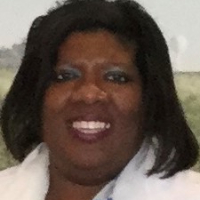
Therapist profile
Samantha Prince, LPC
Licensed in Pennsylvania 11 years in practice Online sessions
Licensed Professional Counselor - Anxiety and Addiction
About Samantha
Samantha Prince is a Licensed Professional Counselor (LPC) in Pennsylvania with 11 years of experience. She works with people facing stress, anxiety, addiction, relationship problems, trauma and abuse, depression, and a range of mood and intimacy concerns. Sessions are conducted in English and she does not take international clients.
Samantha uses Cognitive Behavioral Therapy to help clients notice unhelpful thoughts and change small daily habits. She also draws on Dialectical Behavior Therapy skills for emotion regulation and on EMDR techniques when trauma memories are a focus.
Background and approach
Motivational Interviewing and Solution-Focused Therapy appear in her work to support change and set practical goals. She has particular experience with substance use and addiction issues alongside mood disorders and relationship distress. People who struggle with grief, low self-esteem, anger, or challenges around intimacy and jealousy may find concrete tools and coping strategies in sessions.
Additional focus areas include body image concerns, chronic illness and pain, codependency, and communication problems. In early meetings she focuses on building rapport and clear communication. That usually means setting a few short goals, practicing a CBT technique, and checking how it felt afterward.
Sessions emphasize skills people can use between meetings, like behavioral experiments and emotion regulation exercises. Signing up can feel difficult, so she aims to keep the practical steps straightforward. Prospective clients complete a short matching questionnaire and then schedule a first session.
Costs vary by location and use a cancelable subscription model.
What Samantha works with
The areas Samantha lists on their profile, in their own terms. If what you would like to work on is not on the list, it is fine to ask about it.
- Stress, Anxiety
- Addictions
- Relationship issues
- Trauma and abuse
- Depression
- LGBT
- Family conflicts
- Grief
- Intimacy-related issues
- Anger management
- Self esteem
- Bipolar disorder
- Coping with life changes
- Antisocial personality
- Body image
- Chronic pain, illness, and disability
- Codependency
- Communication problems
- Control issues
- Drug and alcohol addiction
- Family problems
- Forgiveness
- Guilt and shame
- Impulsivity
- Infidelity
- Isolation / loneliness
- Jealousy
- Mood disorders
- Obsessions, compulsions, and OCD
- Personality disorders
- Post-traumatic stress
- Process addiction (porn, exercise, gambling)
- Self-love
- Sex addiction
- Social anxiety and phobia
- Women's issues
- Young adult issues
Methods Samantha lists
- Cognitive Behavioral Therapy (CBT)
- Dialectical Behavior Therapy (DBT)
- Eye Movement Desensitization and Reprocessing (EMDR)
- Motivational Interviewing
- Solution-Focused Therapy
- Trauma-Focused Therapy
Listing an approach is not evidence of training in it. This directory shows what each therapist names and does not check training records.
How Samantha Uses Structured Therapies Remotely
Samantha commonly draws on Cognitive Behavioral Therapy to help people notice patterns of thought and try small behavioral changes. CBT sessions tend to include setting measurable goals, practicing brief exercises during the meeting, and assigning short experiments to try between sessions.She also uses Dialectical Behavior Therapy skills for teaching emotion regulation, distress tolerance, and interpersonal effectiveness. DBT techniques are practical and skill-based, which can make them easy to practice between sessions. When trauma memories are a focus, she may incorporate EMDR-informed methods to work with distressing memories in a paced way.
Finding the right approach is collaborative. Samantha will review your concerns, goals, and preferences and suggest which methods to prioritize. The plan can change as work progresses, and she checks in regularly about what is most useful.
The original biography did not list specific session formats, so confirm current online options before booking. Online work can make it easier to fit sessions into a busy week, allow shorter check-ins when needed, and reduce travel time. Many people value being able to practice CBT or DBT skills in their real-life routines between meetings, which can help learning stick.
We will earn a commission if you sign up through our link, at no cost to you. It does not change what you pay or the order of the listings.
Questions people ask about Samantha
What concerns does she commonly help with?
Samantha helps people with stress, anxiety, addiction, relationship issues, trauma and abuse, depression, and mood-related problems.
How does she use CBT in her work?
She uses Cognitive Behavioral Therapy to identify unhelpful thoughts and test different behaviors through short, practical exercises between sessions.
What is her professional background?
She has 11 years of clinical experience working primarily in addiction, mood disorders, and relationship-related concerns.
What credentials and location apply to her practice?
She is a Licensed Professional Counselor (LPC) practicing in Pennsylvania.
Which languages are supported and can she work internationally?
Sessions are offered in English and she is not accepting international clients.
What session formats are available?
Session formats were not specified in the biography; confirm current session options before booking.
How are costs handled?
Costs vary with location and sessions use a subscription that can be canceled at any time.
How do I begin working with her?
Select the See online therapy options button, complete a short matching questionnaire, and schedule a first session.