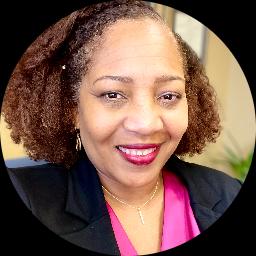
Therapist profile
Sarah Spurling, LCSW
Licensed in Illinois 3 years in practice Online sessions
LCSW - Anxiety and Trauma focused
About Sarah
Sarah Spurling is an LCSW (Licensed Clinical Social Worker) practicing in Illinois with three years of experience. She works with adults facing stress, anxiety, trauma and abuse, grief, self-esteem concerns, and LGBT issues. She also helps people navigating neurodivergence, life transitions, and late-in-life autism diagnosis questions.
Her approach is practical and relationship-focused. She listens to what feels hard and helps people notice habitual thoughts and behaviors that make life tougher.
Background and approach
Sessions focus on understanding what matters to the person and trying small, concrete strategies that fit everyday life. Sarah uses Cognitive Behavioral Therapy alongside Acceptance and Commitment Therapy and Client-Centered methods. She draws on Dialectical Behavior Therapy and existential ideas when they suit the situation.
The emphasis is on skills you can practice between sessions, like noticing unhelpful thinking patterns, experimenting with new responses, and refining coping tools. She works with adults who report anxiety, depression, trauma, grief, identity questions, and challenges related to attachment or abandonment.
She also supports people dealing with chronic health conditions, caregiver stress, body-image concerns, and issues such as dissociation or guilt and shame. In sessions Sarah aims to create a straightforward, steady process. She helps people set clear goals, test small changes, and track what's actually helping.
The work is paced to the individual so changes feel manageable before the next step is tried.
What Sarah works with
The areas Sarah lists on their profile, in their own terms. If what you would like to work on is not on the list, it is fine to ask about it.
- Stress, Anxiety
- LGBT
- Trauma and abuse
- Grief
- Self esteem
- Abandonment
- Attachment issues
- Autism and Asperger Syndrome
- Body image
- Caregiver issues and stress
- Chronic pain, illness, and disability
- Codependency
- Communication problems
- Coping with natural or human-caused disaster
- Dissociation
- Emptiness
- Family of origin issues
- First responder issues
- Gender dysphoria
- Guilt and shame
- Immigration issues
- Life purpose
- Midlife crisis
- Multicultural concerns
- Narcissism
- Obsessions, compulsions, and OCD
- Panic disorder and panic attacks
- Personality disorders
- Phobias
- Post-traumatic stress
- Prejudice and discrimination
- Seasonal Affective Disorder (SAD)
- Sexuality
- Social anxiety and phobia
- Somatization
- Women's issues
- Workplace issues
- Young adult issues
Methods Sarah lists
- Cognitive Behavioral Therapy (CBT)
- Acceptance and Commitment Therapy (ACT)
- Client-Centered Therapy
- Dialectical Behavior Therapy (DBT)
- Existential Therapy
- Motivational Interviewing
- Psychodynamic Therapy
- Solution-Focused Therapy
- Somatic Therapy
- Trauma-Focused Therapy
- Internal Family Systems
- Systemic Therapy
Listing an approach is not evidence of training in it. This directory shows what each therapist names and does not check training records.
How CBT, ACT, and Client-Centered Work Online
Sarah uses Cognitive Behavioral Therapy to help people notice and test unhelpful thoughts and behaviors. CBT sessions focus on clear problems, short experiments to try between meetings, and tracking what changes. Acceptance and Commitment Therapy (ACT) complements CBT by helping people clarify values and take small meaningful actions even when hard feelings remain. Client-Centered Therapy is about listening and reflecting so clients can find their own solutions rather than following a preset plan.Choosing which approach to use is part of the work. The therapist will discuss goals and preferences, then try methods that match those goals. That collaborative process includes checking what helps and switching tactics when needed.
Session formats are not listed in the biography, so confirm current online options before booking. Online therapy can make it easier to fit sessions into workdays or caregiving schedules, reduce travel time, and allow for shorter check-ins when needed. It also allows practicing skills in real-life settings between meetings. The therapist and client will agree on a practical rhythm for sessions and homework that fits daily life.
We will earn a commission if you sign up through our link, at no cost to you. It does not change what you pay or the order of the listings.
Questions people ask about Sarah
What kinds of concerns does she typically address?
She works with adults around stress, anxiety, trauma and abuse, grief, self-esteem, and LGBT-related concerns, plus related areas like attachment, abandonment, and body image.
How would you describe her therapeutic approach?
She uses practical, structured methods such as Cognitive Behavioral Therapy and Acceptance and Commitment Therapy along with a client-centered, relational style.
How much clinical experience does she have?
She has three years of professional experience as an LCSW working with adults on anxiety, depression, trauma, and neurodivergence topics.
Where is she licensed to practice?
She is an LCSW licensed in Illinois.
Which languages are sessions offered in?
Sessions are offered in English.
Does she work with people outside the United States?
She does not accept international clients at this time.
How are sessions paid for?
Cost varies by location and sessions use a subscription model that can be canceled at any time.
What are the steps to begin working together?
Select the "See online therapy options" button, complete a short matching questionnaire, and schedule a first session.