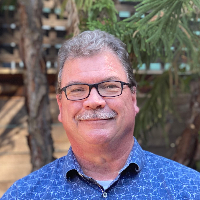
Therapist profile
Sharmi Gowri-Kriszyk, NCPS
Registered with NCPS 21 years in practice Online sessions
NCPS therapist - Trauma and attachment issues
About Sharmi
Sharmi Gowri-Kriszyk is an NCPS Therapist - Accredited Member with 21 years of work in the mental health sector in the United Kingdom. She describes her main focus as trauma and related difficulties, and she works with people affected by abuse, neglect, PTSD and attachment issues. She helps people notice how past events affect current feelings and relationships.
Sessions aim to identify triggers and responses, and to try out different ways of coping.
Background and approach
Sharmi uses structured talking methods alongside body-focused and brain-focused strategies for post-traumatic recovery. Her approach includes an emphasis on attachment and on helping clients process implicit body memories and subconscious triggers. She also draws on cognitive behavioural ideas to look at thoughts and behaviours that keep problems going.
She says therapy combines practical skills with focused processing of traumatic memories. Her work covers a wide range of concerns beyond trauma, including anxiety, depression, addictions, grief, parenting and relationship struggles. She also lists support for ADHD, bipolar presentations, sleeping and eating difficulties, chronic illness and caregiver stress.
Sessions can address practical problems such as communication and boundary setting as well as emotional processing. Sharmi speaks English, Danish and Tamil and accepts international clients. Fees vary by location and use a subscription that can be cancelled at any time.
To begin, people are asked to use the site tools to complete a short matching questionnaire and schedule a first session.
What Sharmi works with
The areas Sharmi lists on their profile, in their own terms. If what you would like to work on is not on the list, it is fine to ask about it.
- Stress, Anxiety
- Addictions
- Trauma and abuse
- Grief
- Parenting issues
- Family conflicts
- Intimacy-related issues
- Eating disorders
- Sleeping disorders
- Anger management
- Self esteem
- Bipolar disorder
- Depression
- Coping with life changes
- Compassion fatigue
- ADHD
- Abandonment
- Adoption and foster care
- Attachment issues
- Autism and Asperger Syndrome
- Avoidant personality
- Blended family issues
- Body image
- Caregiver issues and stress
- Chronic pain, illness, and disability
- Codependency
- Commitment issues
- Communication problems
- Control issues
- Dissociation
- Divorce and separation
- Domestic violence
- Drug and alcohol addiction
- Eating and food-related issues
- Family of origin issues
- Family problems
- Forgiveness
- Guilt and shame
- Immigration issues
- Impulsivity
- Infidelity
- Isolation / loneliness
- Jealousy
- Life purpose
- Men's issues
- Midlife crisis
- Veteran and Armed Forces Issues
- Money and financial issues
- Mood disorders
- Multicultural concerns
- Narcissism
- Panic disorder and panic attacks
- Personality disorders
- Phobias
- Postpartum depression
- Post-traumatic stress
- Pregnancy and childbirth
- Prejudice and discrimination
- Process addiction (porn, exercise, gambling)
- Self-harm
- Self-love
- Social anxiety and phobia
- Women's issues
- Workplace issues
- Young adult issues
Methods Sharmi lists
- Cognitive Behavioural Therapy (CBT)
- Attachment-Based Therapy
- Client-Centred Therapy
- Dialectical Behaviour Therapy (DBT)
- Eye Movement Desensitization and Reprocessing (EMDR)
- Gottman Method
- Mindfulness Therapy
- Psychodynamic Therapy
- Somatic Therapy
- Trauma-Focused Therapy
- Internal Family Systems
Listing an approach is not evidence of training in it. This directory shows what each therapist names and does not check training records.
Therapeutic approaches and online sessions
Sharmi commonly uses Cognitive Behavioural Therapy, Attachment-Based Therapy and client-centred ways of working. CBT focuses on identifying unhelpful thoughts and testing new behaviours to reduce anxiety or low mood. Attachment-based work looks at patterns in close relationships and how early bonds shape reactions to stress and intimacy. Client-centred methods prioritise the person’s priorities and aim to create a respectful, collaborative process.Finding the right approach is part of the work. The therapist discusses goals and preferences with the client and trials methods that fit those needs. Decisions about focus and techniques are made together, adapting as progress and feedback indicate what helps most.
Confirm the session formats available before you book, as the biography does not list specific formats. Online sessions can make it easier to fit therapy into a busy week, reduce travel time, and allow shorter check-ins or daytime appointments that suit work and family routines. Registered or accredited professionals can offer ways of working that fit your life while using the clinical approaches above.
We will earn a commission if you sign up through our link, at no cost to you. It does not change what you pay or the order of the listings.
Questions people ask about Sharmi
What concerns does she help with most often?
She focuses on trauma, abuse and attachment difficulties and also works with anxiety, depression, addictions, grief and parenting issues.
How does she use therapeutic approaches in sessions?
She combines attachment-based methods with cognitive behavioural ideas and body-focused work to address both thoughts and bodily responses to trauma.
How much experience does she have?
She has 21 years of professional experience in the mental health sector, including extensive training in trauma-related work.
What credentials and location are listed?
She is listed as NCPS Therapist - Accredited Member and works from the United Kingdom.
Which languages are supported in sessions?
Sessions are offered in English, Danish and Tamil.
Can people from other countries work with her?
She accepts international clients and offers services to people outside the UK.
How are sessions priced?
Fees vary with location and sessions use a subscription model that can be cancelled at any time.
How do I begin working with her?
Use the See online therapy options button, complete a short matching questionnaire, and then schedule a first session.