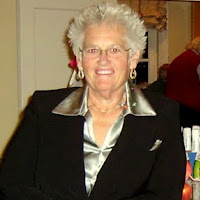
Therapist profile
Alexa Sorensen, LMSW
Licensed in Michigan 13 years in practice Online sessions
Michigan LMSW - Relationships and Anxiety
About Alexa
Alexa Sorensen is a Michigan Licensed Master Social Worker (LMSW) with 13 years of professional experience. She focuses on stress, anxiety, relationship concerns, LGBTQ matters, coping with life changes, grief, and career challenges. She also works with people facing trauma and abuse, depression, bipolar conditions, ADHD, and intimacy-related issues.
Her sessions aim to be practical and person-centered. She adapts the conversation and methods to what each person brings. Expect clear, concrete conversation about thoughts, behaviors, and small changes to try between meetings.
Background and approach
Alexa uses a mix of approaches that include Cognitive Behavioral Therapy (CBT), Acceptance and Commitment Therapy (ACT), Attachment-Based Therapy, Client-Centered Therapy, and Dialectical Behavior Therapy (DBT). She draws on these methods to help people notice unhelpful patterns, regulate strong emotions, and work on relationship or identity-related concerns. In practice she helps people break problems into manageable steps.
That might mean tracking thoughts and moods, practicing new ways to talk with a partner, or experimenting with behaviors that reduce stress. Sessions often include coaching-style feedback alongside therapeutic techniques. She has particular experience supporting people with LGBTQ and non-monogamy questions, identity-related stress, and career or parenting strain.
Anyone considering therapy is encouraged to confirm session options before booking and follow the site's intake steps to schedule a first appointment.
What Alexa works with
The areas Alexa lists on their profile, in their own terms. If what you would like to work on is not on the list, it is fine to ask about it.
- Stress, Anxiety
- LGBT
- Relationship issues
- Coping with life changes
- Coaching
- Trauma and abuse
- Grief
- Intimacy-related issues
- Parenting issues
- Anger management
- Career difficulties
- Bipolar disorder
- Depression
- Compassion fatigue
- ADHD
- Abandonment
- Aging and geriatric issues
- Attachment issues
- Avoidant personality
- BDSM, kink, and alternative sex culture
- Body image
- Caregiver issues and stress
- Co-morbidity
- Codependency
- Commitment issues
- Communication problems
- Control issues
- Coping with natural or human-caused disaster
- Dependent personality
- Divorce and separation
- Domestic violence
- Family of origin issues
- Family problems
- First responder issues
- Forgiveness
- Gender dysphoria
- Guilt and shame
- Hearing impaired
- Hospice and end-of-life counseling
- Infidelity
- Isolation / loneliness
- Jealousy
- Life purpose
- Men's issues
- Midlife crisis
- Money and financial issues
- Narcissism
- Obsessions, compulsions, and OCD
- Panic disorder and panic attacks
- Polyamory / non-monogamous relationships
- Post-traumatic stress
- Seasonal Affective Disorder (SAD)
- Self-love
- Sexual assault and abuse
- Sexuality
- Social anxiety and phobia
- Women's issues
- Workplace issues
- Young adult issues
Methods Alexa lists
- Cognitive Behavioral Therapy (CBT)
- Acceptance and Commitment Therapy (ACT)
- Attachment-Based Therapy
- Client-Centered Therapy
- Dialectical Behavior Therapy (DBT)
- Emotionally-Focused Therapy (EFT)
- Existential Therapy
- Gottman Method
- Mindfulness Therapy
- Narrative Therapy
- Psychodynamic Therapy
- Solution-Focused Therapy
- Trauma-Focused Therapy
Listing an approach is not evidence of training in it. This directory shows what each therapist names and does not check training records.
How her approaches translate to online work
Alexa commonly uses Cognitive Behavioral Therapy (CBT) to help people spot and test unhelpful thoughts and habits. CBT is practical and skills-based, useful for anxiety, depression, and stress management.She also draws on Acceptance and Commitment Therapy (ACT), which focuses on noticing difficult thoughts and deciding what matters most. ACT can help people move toward meaningful actions even when feelings or doubts are present.
Attachment-Based Therapy is used to look at relationship patterns and how early experiences influence current connections. This approach can be helpful for communication problems, intimacy concerns, and attachment issues.
Deciding which approach to use is a collaborative process. The therapist will discuss goals, try a method, and adjust based on what helps. Clients and the therapist work together to find practical techniques that fit daily life.
The original biography did not list specific online session formats, so confirm which formats are offered before booking. Online work can make it easier to schedule therapy around work or family commitments, and can reduce travel time. It can also allow shorter check-ins or sessions that fit into a break in the day, depending on the offered formats.
We will earn a commission if you sign up through our link, at no cost to you. It does not change what you pay or the order of the listings.
Questions people ask about Alexa
What concerns does she address most often?
She commonly helps with stress, anxiety, relationship and LGBTQ concerns, grief, career problems, trauma, and questions about intimacy and identity.
How would she describe her therapeutic style?
Her style is person-centered and practical. She adapts talk and techniques to the individual's needs and focuses on observable thoughts and behaviors.
What is her professional experience?
She has 13 years of professional experience working in mental health settings and related supports.
What credential does she hold and where does she practice?
She is an LMSW, which stands for Licensed Master Social Worker, and she practices in Michigan.
Which languages are offered for sessions?
Sessions are offered in English.
Can people outside the United States work with her?
She does not accept international clients at this time.
How are session formats handled?
The original biography did not specify session formats; please confirm current session options before booking.
How do I begin working with her?
Use the See online therapy options button, complete the short matching questionnaire, and schedule a first session through the platform.