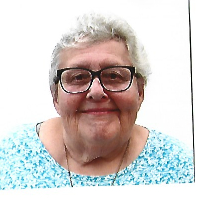
Therapist profile
Ashley Anderson, LCSW
Licensed in New Jersey 6 years in practice Online sessions
LCSW - Anxiety and Addictions
About Ashley
Ashley Anderson is an LCSW (Licensed Clinical Social Worker) based in New Jersey with six years of clinical experience. She works with people facing stress, anxiety, depression, addiction, relationship and intimacy concerns, and parenting strains. She also supports those dealing with trauma and abuse, bipolar disorder, and career or life-change challenges.
Ashley uses practical therapy methods such as Cognitive Behavioral Therapy, Acceptance and Commitment Therapy, Dialectical Behavior Therapy, Jungian ideas, and mindfulness.
Background and approach
Sessions focus on noticing unhelpful thoughts and habits, testing different responses, and building concrete coping skills. She blends skill training with chance to reflect on values and personal meaning. Her background includes work in substance-use treatment, hospital settings, and outpatient agencies.
That experience shapes a direct, problem-solving approach that still allows space for exploring deeper patterns. Clients can expect clear goals and concrete tools to try between sessions. Ashley describes herself as collaborative.
She helps people identify strengths they already have and tries to expand practical options when old strategies stop working. She also pays attention to attachment, abandonment, and relationship dynamics when they matter to presenting concerns. Outside of work she keeps a low-key lifestyle, has two cats, has been vegetarian for many years, and likes chai lattes with oat milk.
These personal details help convey how she approaches ordinary life and small comforts alongside clinical work.
What Ashley works with
The areas Ashley lists on their profile, in their own terms. If what you would like to work on is not on the list, it is fine to ask about it.
- Stress, Anxiety
- Addictions
- LGBT
- Self esteem
- Depression
- Relationship issues
- Family conflicts
- Trauma and abuse
- Intimacy-related issues
- Parenting issues
- Anger management
- Career difficulties
- Bipolar disorder
- Coping with life changes
- Coaching
- Compassion fatigue
- Abandonment
- Attachment issues
- Autism and Asperger Syndrome
- BDSM, kink, and alternative sex culture
- Body image
- Cancer
- Caregiver issues and stress
- Chronic pain, illness, and disability
- Codependency
- Commitment issues
- Communication problems
- Control issues
- Divorce and separation
- Domestic violence
- Drug and alcohol addiction
- Emptiness
- Family problems
- Fatherhood issues
- First responder issues
- Forgiveness
- Gender dysphoria
- Guilt and shame
- HIV / AIDS
- Impulsivity
- Infidelity
- Intellectual disability
- Isolation / loneliness
- Jealousy
- Life purpose
- Veteran and Armed Forces Issues
- Mood disorders
- Panic disorder and panic attacks
- Paranoia
- Personality disorders
- Prejudice and discrimination
- Process addiction (porn, exercise, gambling)
- Self-love
- Sex addiction
- Sexual dysfunction
- Sexuality
- Smoking / vaping cessation
- Social anxiety and phobia
- Traumatic brain injury
- Visually impaired
- Women's issues
- Workplace issues
- Young adult issues
Methods Ashley lists
- Cognitive Behavioral Therapy (CBT)
- Acceptance and Commitment Therapy (ACT)
- Dialectical Behavior Therapy (DBT)
- Jungian Therapy
- Mindfulness Therapy
- Solution-Focused Therapy
- Somatic Therapy
Listing an approach is not evidence of training in it. This directory shows what each therapist names and does not check training records.
How Ashley adapts CBT, ACT and DBT for online work
Ashley draws on Cognitive Behavioral Therapy to identify thinking patterns and test alternative responses, which helps with anxiety, depression, and addictive behaviors. Acceptance and Commitment Therapy is used to clarify values and build willingness to act even when thoughts or feelings are difficult. Dialectical Behavior Therapy provides concrete emotion-regulation and interpersonal skills that can reduce crisis moments and improve day-to-day coping.Choosing the right approach is collaborative. Ashley will discuss goals and try methods that fit those goals. Together they check what works and adjust techniques based on progress and preferences rather than assuming one path up front.
The practical benefits of working online can include easier fitting of sessions into a busy schedule, shorter check-ins when needed, and options that reduce travel time. The therapist's session formats are not specified here, so confirm current session options before booking. Online work still focuses on homework practice, skills coaching, and problem solving that fit into everyday life.
We will earn a commission if you sign up through our link, at no cost to you. It does not change what you pay or the order of the listings.
Questions people ask about Ashley
What concerns does Ashley often help with?
She helps people with stress, anxiety, depression, addictions, relationship and intimacy issues, trauma and related problems such as self-esteem and attachment concerns.
How does she use Cognitive Behavioral Therapy in sessions?
The focus is on spotting unhelpful thoughts and habits, testing alternatives, and practicing new skills between sessions to reduce distress and improve functioning.
What is her clinical background?
She has six years of experience, primarily in substance-use treatment, hospitals, and outpatient agency settings.
What credential does she hold and where is she based?
She is an LCSW licensed in New Jersey and practices from that state.
Which languages are supported for sessions?
Sessions are offered in English.
Can people outside the US work with her?
She accepts international clients; confirm any time-zone or logistical details before booking.
How are sessions billed and what does it cost?
Cost varies by location; sessions use a subscription that can be canceled at any time.
How do I begin a first session?
Select the See online therapy options button, complete a short matching questionnaire, and schedule a first session.