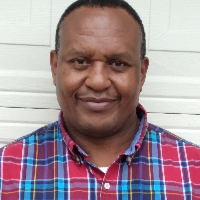
Therapist profile
Betina Bolin, LCSW
Licensed in Arkansas 16 years in practice Online sessions
LCSW - anxiety and trauma focus
About Betina
Betina Bolin is an LCSW (Licensed Clinical Social Worker) with 16 years of professional experience based in Missouri. She works with people facing stress, anxiety, trauma and abuse, depression, bipolar concerns, addictions, relationship and family issues, grief, self-esteem struggles, and related challenges. Sessions also address ADHD, career strain, anger, eating and intimacy-related concerns, and coping with life changes.
She uses a client-centered attitude and draws from several methods to fit what each person needs.
Background and approach
Cognitive Behavioral Therapy (CBT) is a key framework she uses to notice unhelpful thoughts and the behaviors they drive. She also applies mindfulness practices, motivational interviewing, and EMDR when appropriate. In practical terms, she focuses on helping people see the links between thoughts, feelings, and actions.
Sessions emphasize clear goals and concrete steps. She guides people to test new responses and build habits that support daily functioning and self-direction. Her approach treats the person as the main agent of change.
The therapist's role is to offer structure, feedback, and strategies to increase self-efficacy. People can expect a mixture of talking, thought-work, and exercises aimed at reducing symptoms and improving decision-making. With a background in social work, she brings sixteen years of hands-on experience to clinical work.
Her practice includes support for complex issues such as chronic illness, aging concerns, immigration stress, and grief related to hospice and end-of-life care. She offers sessions in English and accepts international clients.
What Betina works with
The areas Betina lists on their profile, in their own terms. If what you would like to work on is not on the list, it is fine to ask about it.
- Stress, Anxiety
- Trauma and abuse
- Self esteem
- Bipolar disorder
- Depression
- Addictions
- Relationship issues
- Family conflicts
- Grief
- Intimacy-related issues
- Eating disorders
- Anger management
- Career difficulties
- Coping with life changes
- Compassion fatigue
- ADHD
- Aging and geriatric issues
- Autism and Asperger Syndrome
- Body image
- Chronic pain, illness, and disability
- Communication problems
- Divorce and separation
- Drug and alcohol addiction
- Eating and food-related issues
- Emptiness
- Forgiveness
- Guilt and shame
- Hospice and end-of-life counseling
- Immigration issues
- Infidelity
- Intellectual disability
- Isolation / loneliness
- Life purpose
- Men's issues
- Midlife crisis
- Veteran and Armed Forces Issues
- Mood disorders
- Multicultural concerns
- Panic disorder and panic attacks
- Personality disorders
- Post-traumatic stress
- Self-love
- Sex addiction
- Sexual assault and abuse
- Social anxiety and phobia
- Women's issues
- Workplace issues
- Young adult issues
Methods Betina lists
- Cognitive Behavioral Therapy (CBT)
- Client-Centered Therapy
- Eye Movement Desensitization and Reprocessing (EMDR)
- Mindfulness Therapy
- Motivational Interviewing
- Solution-Focused Therapy
- Trauma-Focused Therapy
Listing an approach is not evidence of training in it. This directory shows what each therapist names and does not check training records.
Therapeutic approaches and remote sessions
Betina commonly uses Cognitive Behavioral Therapy to help people identify automatic thoughts, test assumptions, and practice alternative behaviors. CBT is practical and action-focused, useful for anxiety, mood concerns, and coping skills work.She also uses Client-Centered Therapy, which centers the client's perspective and supports the person's own insight and decision-making. EMDR is part of her toolkit for addressing trauma symptoms by processing distressing memories in a structured way.
Choosing the right approach is collaborative. The therapist discusses goals, symptoms, and preferences and adapts methods as those needs become clearer. That means clients may try CBT exercises for several weeks, add mindfulness practices, or use EMDR techniques if trauma processing is indicated.
Session formats are not listed in the biography, so confirm current options before booking. Online work can make it easier to fit sessions into busy schedules, shorten commute time, and allow for quicker check-ins during a lunch break or between appointments. Some formats may use less bandwidth or do not require being on camera, which can help when a quieter environment is easier to arrange. Licensed professionals can guide which approach and format best fit a client's goals and daily life.
We will earn a commission if you sign up through our link, at no cost to you. It does not change what you pay or the order of the listings.
Questions people ask about Betina
What concerns does she commonly address?
She works with stress, anxiety, trauma and abuse, depression, bipolar disorder, addictions, relationship and family issues, grief, self-esteem problems, ADHD, and related concerns.
How would you describe her therapeutic style?
She uses a client-centered style with clear, goal-oriented work. Cognitive Behavioral Therapy is a primary framework she applies to notice and change unhelpful thoughts and behaviors.
How much experience does she have?
She has 16 years of combined professional experience in social work and clinical therapy practice.
What are her credentials and where is she based?
She is an LCSW licensed in Arizona and Missouri and practices from Missouri.
In which languages can sessions be held?
Sessions are offered in English.
Can people outside the United States work with her?
International clients are accepted; confirm any regional requirements before scheduling.
How are session formats arranged?
Session format options are not specified here; please confirm current session formats before booking.
How are costs and billing handled?
Cost varies with location and sessions use a subscription model that can be canceled at any time.