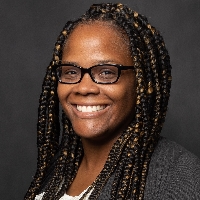
Therapist profile
Chris Fischer, LPC
Licensed in Texas 20 years in practice Online sessions
Licensed Professional Counselor - Anxiety and Depression
About Chris
Chris Fischer is a Licensed Professional Counselor (LPC) practicing in Texas with 20 years of experience in the mental health field. He has worked across multiple states and now provides care from his Texas base. He commonly helps people coping with depression, anxiety, bipolar disorder, trauma and abuse, and relationship and family concerns.
He uses clear, practical methods in sessions. Cognitive Behavioral Therapy (CBT) features in his work along with Dialectical Behavior Therapy (DBT), Emotionally-Focused Therapy (EFT), Eye Movement Desensitization and Reprocessing (EMDR), and Gottman Method ideas when they fit a person’s needs.
Background and approach
Sessions focus on noticing thoughts and habits and trying different ways of responding to them. Chris describes a client-centered approach. Sessions are designed around what matters to the person and their family.
He draws on solution-focused techniques to set steps people can try between meetings and to track progress over time. He has experience with a wide range of concerns, including stress, addictions, grief, parenting strain, self-esteem, and compassion fatigue. Additional areas he addresses include attachment and abandonment issues, chronic illness and caregiver stress, body image, and communication problems.
People who choose him can expect straightforward language, practical strategies, and an emphasis on skills practice. He encourages small, achievable changes and regular check-ins on how those changes are working. To begin, clients follow the site process to match and schedule an initial session.
What Chris works with
The areas Chris lists on their profile, in their own terms. If what you would like to work on is not on the list, it is fine to ask about it.
- Stress, Anxiety
- Addictions
- Bipolar disorder
- Depression
- ADHD
- LGBT
- Relationship issues
- Family conflicts
- Trauma and abuse
- Grief
- Intimacy-related issues
- Eating disorders
- Parenting issues
- Anger management
- Self esteem
- Compassion fatigue
- Abandonment
- Aging and geriatric issues
- Attachment issues
- Blended family issues
- Body image
- Cancer
- Caregiver issues and stress
- Chronic pain, illness, and disability
- Co-morbidity
- Codependency
- Communication problems
- Control issues
- Disruptive Mood Dysregulation Disorder (DMDD)
- Divorce and separation
- Domestic violence
- Eating and food-related issues
- Family problems
- First responder issues
- Forgiveness
- Guilt and shame
- Impulsivity
- Infidelity
- Isolation / loneliness
- Life purpose
- Men's issues
- Midlife crisis
- Veteran and Armed Forces Issues
- Money and financial issues
- Mood disorders
- Obsessions, compulsions, and OCD
- Panic disorder and panic attacks
- Paranoia
- Phobias
- Postpartum depression
- Post-traumatic stress
- Process addiction (porn, exercise, gambling)
- Sexual assault and abuse
- Sexuality
- Social anxiety and phobia
- Women's issues
- Young adult issues
Methods Chris lists
- Cognitive Behavioral Therapy (CBT)
- Dialectical Behavior Therapy (DBT)
- Emotionally-Focused Therapy (EFT)
- Eye Movement Desensitization and Reprocessing (EMDR)
- Gottman Method
- Mindfulness Therapy
- Motivational Interviewing
- Solution-Focused Therapy
- Trauma-Focused Therapy
Listing an approach is not evidence of training in it. This directory shows what each therapist names and does not check training records.
How his approaches translate to online sessions
Chris uses Cognitive Behavioral Therapy to break down thinking and behavior patterns into concrete steps. CBT sessions focus on identifying specific thoughts, testing them, and practicing alternative responses to reduce symptoms like anxiety or depression.He also uses elements of Dialectical Behavior Therapy to teach practical skills for emotion regulation and distress tolerance. DBT skills can help when strong emotions, impulsive actions, or relationship patterns are causing repeated problems. Emotionally-Focused Therapy ideas are used when the work centers on understanding interaction patterns and improving emotional connection in relationships.
Choosing the right approach is part of the process. He works with each person to decide which methods fit their goals and situation, and adjusts the plan as they learn what helps best. That decision is collaborative and based on needs, goals, and personal preference.
Session logistics should be confirmed before booking since the biography does not list specific formats. Ask which session options are offered and how they fit your schedule. Online work can make it easier to fit sessions into a busy week, shorten a check-in when needed, or avoid travel time, while still focusing on practical skill-building and homework between meetings.
We will earn a commission if you sign up through our link, at no cost to you. It does not change what you pay or the order of the listings.
Questions people ask about Chris
What kinds of problems does he help with?
He works with stress, anxiety, depression, bipolar disorder, addictions, trauma and many relationship and family concerns.
How does he use Cognitive Behavioral Therapy?
He uses CBT to help people notice unhelpful thoughts and habits and to practice different responses that change how they feel and act.
What is his background in practice?
He has 20 years in the mental health field and has worked in Texas and other states over that time.
What are his credentials and location?
He is a Licensed Professional Counselor (LPC) licensed in Texas and practices from that state.
Which languages are supported for sessions?
Sessions are offered in English.
Can international clients work with him?
He does not accept international clients at this time.
How are sessions priced?
Cost varies with location and sessions use a subscription that can be canceled at any time.
How do I get started with him?
Select the See online therapy options button, complete the short matching questionnaire, and schedule a first session.