Therapist profile
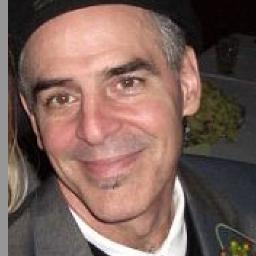
Christopher Lankford, LCSW
Licensed in Arkansas 5 years in practice Online sessions
LCSW - Stress and mood concerns
About Christopher
Christopher Lankford is a Licensed Certified Social Worker (LCSW) licensed in Missouri and Arkansas with five years of clinical experience. He works with people who are dealing with stress, anxiety, anger, low self-esteem, depression, trauma, and other life changes. Christopher also lists support for LGBT concerns, relationship and family issues, bipolar disorder, and ADHD among his areas of focus.
He trained at the University of New England and completed a master’s degree in social work in December 2018.
Background and approach
In session he uses practical, evidence-based approaches such as Cognitive Behavioral Therapy, Acceptance and Commitment Therapy, Dialectical Behavior Therapy, mindfulness work, and solution-focused methods. That means clients learn concrete skills to notice thoughts, test unhelpful beliefs, and try different responses. Sessions are straightforward and skills-focused.
Christopher aims to help people build routines and habits that reduce distress and improve day-to-day functioning. He highlights learning tools for emotion regulation, communication, and coping with strong feelings like anger or grief. He emphasizes treating each person with respect and without judgment.
The work often involves short exercises, homework between sessions, and clear goals to track progress. Christopher encourages people who feel stuck to try structured practice and see what shifts over time. Practical concerns like motivation, body image, substance issues, attachment struggles, and impulse control are part of his stated focus.
People interested in starting are invited to complete a brief matching questionnaire and schedule an initial session to outline concrete next steps.
What Christopher works with
The areas Christopher lists on their profile, in their own terms. If what you would like to work on is not on the list, it is fine to ask about it.
- Stress, Anxiety
- Anger management
- Self esteem
- Depression
- Coping with life changes
- LGBT
- Relationship issues
- Family conflicts
- Trauma and abuse
- Grief
- Bipolar disorder
- ADHD
- Attachment issues
- Autism and Asperger Syndrome
- Avoidant personality
- Body image
- Commitment issues
- Communication problems
- Control issues
- Disruptive Mood Dysregulation Disorder (DMDD)
- Drug and alcohol addiction
- Eating and food-related issues
- Emptiness
- Forgiveness
- Gender dysphoria
- Guilt and shame
- Impulsivity
- Isolation / loneliness
- Life purpose
- Mood disorders
- Obsessions, compulsions, and OCD
- Panic disorder and panic attacks
- Paranoia
- Phobias
- Post-traumatic stress
- Process addiction (porn, exercise, gambling)
- Self-harm
- Self-love
- Sex addiction
- Sexuality
- Social anxiety and phobia
Methods Christopher lists
- Cognitive Behavioral Therapy (CBT)
- Acceptance and Commitment Therapy (ACT)
- Dialectical Behavior Therapy (DBT)
- Mindfulness Therapy
- Solution-Focused Therapy
- Trauma-Focused Therapy
Listing an approach is not evidence of training in it. This directory shows what each therapist names and does not check training records.
How Christopher uses structured approaches online
Christopher commonly draws on Cognitive Behavioral Therapy to help people spot unhelpful thinking patterns, run small behavioral experiments, and develop alternatives that reduce distress. CBT here focuses on clear, step-by-step practices that can be done between sessions to test what helps.He also uses Acceptance and Commitment Therapy, which emphasizes noticing thoughts and feelings without getting stuck in them and choosing actions that match personal values. That approach is helpful for people coping with persistent worry, low mood, or difficult life changes. Dialectical Behavior Therapy skills are used for emotion regulation and managing strong reactions through practical tools like grounding and distress tolerance.
Figuring out which approach fits is part of the work. Christopher collaborates with each person to match methods to goals and daily life. He checks in about what techniques feel useful and adjusts plans based on progress and preference.
The biography does not list specific session formats, so confirm the available online options before booking. Many people find that remote sessions make it easier to fit therapy into a workday, allow shorter check-ins when needed, or remove travel time. Ask about the exact session format when you schedule so timing and practical needs are clear.
We will earn a commission if you sign up through our link, at no cost to you. It does not change what you pay or the order of the listings.
Questions people ask about Christopher
What issues does he commonly help with?
Christopher lists stress, anxiety, anger, self-esteem, depression, trauma, grief, bipolar disorder, ADHD, and related concerns among his focus areas.
How does he use Cognitive Behavioral Therapy in sessions?
He uses CBT to help people identify unhelpful thoughts and test alternative beliefs, then practices new behavioral responses in session and between meetings.
What experience does he bring to therapy?
He has five years of professional experience and completed a masters degree in social work in December 2018.
What are his credentials and where is he based?
He is an LCSW licensed in Missouri and Arkansas and is based in Arkansas.
Which languages are supported in sessions?
Sessions are offered in English.
Can people outside the United States work with him?
He does not accept international clients at this time.
How are sessions arranged and what formats are used?
Confirm current session formats before booking by following the platform steps, as the biography does not list specific formats directly.
How is cost handled and how do I get started?
Cost varies by location and sessions use a subscription that can be canceled at any time. To begin, select the See online therapy options button, complete the short matching questionnaire, and schedule a first session.