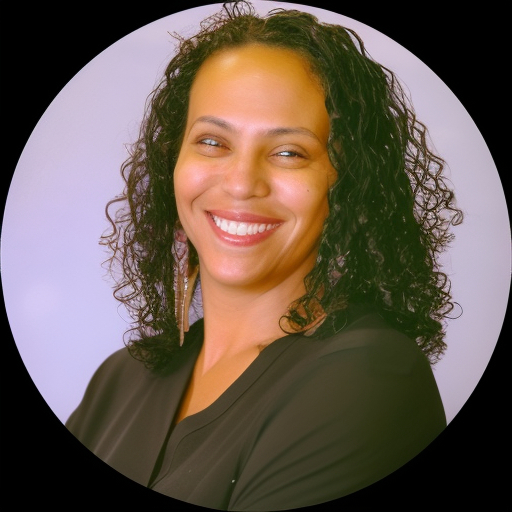
Therapist profile
Donald "Bo" Hardy, LPC
Licensed in Alabama 10 years in practice Online sessions
LPC in Alabama - Anxiety and ADHD focus
About Donald
Donald "Bo" Hardy is a Licensed Professional Counselor (LPC) in Alabama with 10 years of clinical experience. He works with people facing stress, anxiety, career concerns, depression, ADHD, addictions, relationship and family issues, trauma and abuse, grief, and related challenges. He earned a Master of Arts in Clinical Mental Health Counseling from the University of Alabama at Birmingham.
Before independent practice, much of his work focused on helping adults and students with disabilities develop interpersonal and workplace skills.
Background and approach
That work included group and individual sessions and teaching social skills classes in local schools. Since moving into solo practice in 2022 he has offered therapy to adults through his practice. Earlier career experience was in education, and he holds bachelor and master degrees in instrumental music education.
He continues to play and perform music and describes himself as a teacher at heart. His approach draws on Cognitive Behavioral Therapy along with attachment-based, client-centered, dialectical behavior therapy, and mindfulness methods. He uses structured strategies to notice unhelpful thoughts and habits and to try different ways of responding.
He also pays attention to lifestyle factors such as exercise and nutrition and helps clients set realistic goals for mental health and overall wellness. Practical skills, goal setting, and steady small changes are common features of his work. To begin working together, prospective clients complete a short matching questionnaire and schedule a first session through the online therapy options button.
What Donald works with
The areas Donald lists on their profile, in their own terms. If what you would like to work on is not on the list, it is fine to ask about it.
- Stress, Anxiety
- Career difficulties
- Depression
- Coping with life changes
- ADHD
- Addictions
- Relationship issues
- Family conflicts
- Trauma and abuse
- Grief
- Intimacy-related issues
- Sleeping disorders
- Parenting issues
- Anger management
- Self esteem
- Bipolar disorder
- Coaching
- Aging and geriatric issues
- Attachment issues
- Autism and Asperger Syndrome
- Caregiver issues and stress
- Chronic pain, illness, and disability
- Commitment issues
- Communication problems
- Control issues
- Coping with natural or human-caused disaster
- Divorce and separation
- Emptiness
- Family of origin issues
- Family problems
- Fatherhood issues
- Forgiveness
- Guilt and shame
- Hearing impaired
- Impulsivity
- Intellectual disability
- Isolation / loneliness
- Life purpose
- Men's issues
- Midlife crisis
- Money and financial issues
- Mood disorders
- Obsessions, compulsions, and OCD
- Panic disorder and panic attacks
- Paranoia
- Personality disorders
- Phobias
- Seasonal Affective Disorder (SAD)
- Social anxiety and phobia
- Visually impaired
- Workplace issues
- Young adult issues
Methods Donald lists
- Cognitive Behavioral Therapy (CBT)
- Attachment-Based Therapy
- Client-Centered Therapy
- Dialectical Behavior Therapy (DBT)
- Mindfulness Therapy
- Solution-Focused Therapy
- Trauma-Focused Therapy
Listing an approach is not evidence of training in it. This directory shows what each therapist names and does not check training records.
How CBT, attachment work, and mindfulness translate to online sessions
Donald "Bo" Hardy uses Cognitive Behavioral Therapy to help people notice automatic thoughts, test them, and try new behaviors that reduce distress. CBT is practical and structured, useful for anxiety, depression, ADHD challenges, and sleep problems.He also draws on attachment-based ideas to look at how early patterns affect current relationships and communication. That approach can help with intimacy issues, trust, and family of origin problems. Client-centered methods keep sessions focused on the person's priorities and pace, with the therapist offering reflective listening and gentle guidance.
Finding the right mix of approaches is part of the work. He will discuss goals and preferences and then choose strategies together. Sessions often combine short skill teaching, in-session practice, and simple between-session tasks so clients can try new ways of responding in daily life.
Confirm the specific session formats available before booking via the online therapy options button and matching questionnaire. Online sessions can make it easier to fit therapy into a busy schedule, allow shorter check-ins when needed, or remove travel time. Those practical benefits help people maintain consistency and apply new skills between meetings.
We will earn a commission if you sign up through our link, at no cost to you. It does not change what you pay or the order of the listings.
Questions people ask about Donald
What kinds of problems does he help with most often?
He helps adults with stress, anxiety, depression, ADHD, addictions, relationship and family concerns, grief, and career or life changes.
How does he use Cognitive Behavioral Therapy in sessions?
He uses CBT to identify unhelpful thoughts and habits and to try practical alternatives through exercises and homework.
What background and experience does he bring?
He has 10 years of professional experience, including eight years working with adults and students with disabilities and several years in education.
What credentials and location are listed?
He is an LPC (Licensed Professional Counselor) and practices in Alabama.
Which languages are supported and are international clients accepted?
Sessions are offered in English and he is not currently accepting international clients.
What session formats are available?
Confirm current session options before booking by checking the online therapy options button and the matching process.
How does cost work for sessions?
Cost varies with location; sessions use a subscription that can be canceled at any time.
How do I get started with him?
Select the See online therapy options button, complete the short matching questionnaire, and schedule a first session.