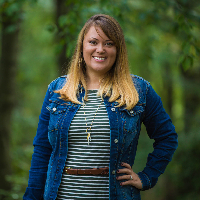
Therapist profile
Lee Schlanger, LMHC
Licensed in Florida 5 years in practice Online sessions
Florida LMHC - Anxiety and Trauma
About Lee
Lee Schlanger is a Florida Licensed Mental Health Counselor (LMHC) with five years of clinical experience. He focuses on stress, anxiety, addictions, trauma and abuse, grief, and depression. Lee also works with relationship and family concerns, intimacy and parenting issues, anger, self-esteem, bipolar disorder, ADHD, and related problems.
Sessions begin with identifying the most pressing concern and a clear goal for work. Lee favors practical, structured conversation and steps that help people notice unhelpful thoughts and patterns.
Background and approach
He uses talk and exercises to reduce distress and build coping skills. Lee draws on Cognitive Behavioral Therapy alongside attachment-based and client-centered approaches. He also uses skills from Dialectical Behavior Therapy and Emotionally-Focused Therapy when those methods fit the issue.
These methods are applied to things like substance use recovery, managing intense emotions, and improving communication. His background includes clinical work since 2017 and practice in both New York City and Florida. He holds the Florida LMHC credential and offers services to people in English.
International clients may be accepted; confirm any cross-border arrangements before booking. Fees vary by location and sessions use a subscription that can be canceled at any time. To begin, a prospective client completes a short matching questionnaire and schedules a first session through the online therapy options button.
What Lee works with
The areas Lee lists on their profile, in their own terms. If what you would like to work on is not on the list, it is fine to ask about it.
- Stress, Anxiety
- Addictions
- Trauma and abuse
- Grief
- Depression
- Relationship issues
- Family conflicts
- Intimacy-related issues
- Parenting issues
- Anger management
- Self esteem
- Bipolar disorder
- Coping with life changes
- Coaching
- Compassion fatigue
- ADHD
- Abandonment
- Attachment issues
- Body image
- Caregiver issues and stress
- Co-morbidity
- Codependency
- Commitment issues
- Communication problems
- Control issues
- Dissociation
- Domestic violence
- Drug and alcohol addiction
- Family of origin issues
- Family problems
- Fatherhood issues
- Forgiveness
- Guilt and shame
- Impulsivity
- Infidelity
- Intellectual disability
- Isolation / loneliness
- Jealousy
- Life purpose
- Men's issues
- Money and financial issues
- Mood disorders
- Multicultural concerns
- Obsessions, compulsions, and OCD
- Panic disorder and panic attacks
- Personality disorders
- Phobias
- Post-traumatic stress
- Process addiction (porn, exercise, gambling)
- Self-harm
- Self-love
- Sex addiction
- Sexual assault and abuse
- Sexual dysfunction
- Sexuality
- Social anxiety and phobia
- Somatization
- Traumatic brain injury
- Workplace issues
Methods Lee lists
- Cognitive Behavioral Therapy (CBT)
- Attachment-Based Therapy
- Client-Centered Therapy
- Dialectical Behavior Therapy (DBT)
- Emotionally-Focused Therapy (EFT)
- Gottman Method
- Mindfulness Therapy
- Motivational Interviewing
- Solution-Focused Therapy
- Somatic Therapy
- Trauma-Focused Therapy
Listing an approach is not evidence of training in it. This directory shows what each therapist names and does not check training records.
How his approaches translate to online sessions
Lee commonly uses Cognitive Behavioral Therapy to map thoughts, feelings, and actions into concrete steps. CBT focuses on noticing unhelpful thinking, testing new responses, and practicing skill-based exercises to reduce symptoms like anxiety or low mood.He also uses Attachment-Based Therapy to look at how early relationships affect current patterns. That approach helps people understand trust, closeness, and recurring relationship reactions. Client-Centered Therapy is another influence; it emphasizes listening and letting the client set the pace and goals for work.
Finding the right approach is part of the work. Lee will review a client’s needs, goals, and preferences and decide together which of these approaches or combinations fits best. This is a collaborative process that can change as work progresses.
The biography notes telehealth provision, so confirm the exact session formats before booking. Online work can make it easier to fit sessions into daily life, shorten commute time, and allow check-ins during a lunch break or between obligations. It can also make some sessions less demanding on attention when a phone call is preferable to a video meeting. Licensed professionals adapt methods so exercises and skills practice work in an online setting.
We will earn a commission if you sign up through our link, at no cost to you. It does not change what you pay or the order of the listings.
Questions people ask about Lee
What concerns does he address most often?
He works with stress, anxiety, addictions, trauma and abuse, grief, and depression among other issues.
How does he use Cognitive Behavioral Therapy?
He uses CBT to help people notice unhelpful thoughts and habits and practice different responses through structured exercises.
What is his clinical background?
He has worked as a mental health counselor since 2017 and has practiced in New York City and Florida.
What credentials and location apply to his practice?
He is a Florida LMHC and practices in Florida.
Which languages and international arrangements are supported?
Sessions are offered in English and international clients are accepted; confirm any cross-border details before booking.
What session formats are used?
The biography notes telehealth sessions; confirm current session options before scheduling.
How are fees handled?
Fees vary with location and sessions use a subscription that can be canceled at any time.
How do I get started?
Use the See online therapy options button, complete a short matching questionnaire, and schedule a first session.