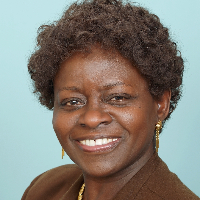
Therapist profile
Lynn Walker, NCPS
Registered with NCPS 4 years in practice Online sessions
Counsellor - Relationships and anxiety
About Lynn
Lynn Walker, NCPS, is a counsellor in the United Kingdom with four years' experience. She focuses on stress, anxiety, relationship and intimacy-related issues, self-esteem, depression, LGBT concerns, family matters, trauma and abuse, grief, and coping with life changes. She also works with specific issues such as abandonment, attachment difficulties, and communication problems.
Lynn trained originally as a nurse and moved into counselling after many years in healthcare. That background shaped her approach - staying calm in pressured moments and listening closely.
Background and approach
She describes her practice as pluralistic, drawing on several therapeutic tools rather than a single method. In sessions she uses Cognitive Behavioural Therapy alongside attachment-based and client-centred techniques. She may also use elements of the Gottman Method for relationship work and hypnotherapy where appropriate.
Her clinical experience includes over 200 hours focused on anxiety, depression, trauma and abuse. Lynn works with people who are dealing with relationship breakdown, recurring arguments, or a loss of connection. She also supports those facing chronic illness or fertility concerns and people coping after domestic violence or difficult separations.
She mentions work around dissociation and control issues as well. Her practice includes mindfulness and meditation skills drawn from her work as a meditation teacher. She has additional training related to pregnancy and birth trauma and integrates autism awareness into her way of working.
To begin, readers are asked to use the site questionnaire and schedule a first session via the See online therapy options button.
What Lynn works with
The areas Lynn lists on their profile, in their own terms. If what you would like to work on is not on the list, it is fine to ask about it.
- Stress, Anxiety
- Relationship issues
- Intimacy-related issues
- Self esteem
- Depression
- LGBT
- Family conflicts
- Trauma and abuse
- Grief
- Coping with life changes
- Abandonment
- Attachment issues
- Avoidant personality
- Blended family issues
- Chronic pain, illness, and disability
- Commitment issues
- Communication problems
- Control issues
- Coping with natural or human-caused disaster
- Dissociation
- Divorce and separation
- Domestic violence
- Emptiness
- Family problems
- Fertility issues
- First responder issues
- Forgiveness
- Guilt and shame
- Infidelity
- Isolation / loneliness
- Life purpose
- Midlife crisis
- Obsessions, compulsions, and OCD
- Panic disorder and panic attacks
- Phobias
- Polyamory / non-monogamous relationships
- Postpartum depression
- Post-traumatic stress
- Pregnancy and childbirth
- Self-harm
- Self-love
- Sex addiction
- Sexual assault and abuse
- Sexual dysfunction
- Sexuality
- Social anxiety and phobia
- Women's issues
Methods Lynn lists
- Cognitive Behavioural Therapy (CBT)
- Attachment-Based Therapy
- Client-Centred Therapy
- Gottman Method
- Hypnotherapy
- Mindfulness Therapy
- Motivational Interviewing
- Psychodynamic Therapy
- Solution-Focused Therapy
- Trauma-Focused Therapy
Listing an approach is not evidence of training in it. This directory shows what each therapist names and does not check training records.
How Lynn uses structured approaches in online sessions
Lynn commonly draws on Cognitive Behavioural Therapy and attachment-based work in her practice. CBT focuses on identifying unhelpful thoughts and testing new responses, which can help with anxiety, low mood and unhelpful habits. Attachment-based therapy looks at relationship patterns and how early bonds affect current intimacy and trust, which can be useful for couples and for people struggling with abandonment or attachment issues.She also uses client-centred methods that prioritise listening and responding to what the person needs in the moment. Finding the right mix of methods is a collaborative process. The therapist will discuss goals and preferences and agree which approaches to try together.
The original profile does not specify which online session formats are offered, so confirm current options before booking. Online work can make it easier to fit sessions into a busy week, reduce travel time and allow shorter check-ins when that suits the person’s schedule. It can also allow people to take part without needing to be on camera at every meeting, depending on the format offered. Registered or accredited professionals, including counsellors and therapists, often adapt techniques like CBT and attachment work for remote sessions so the practical exercises and communication tools still apply.
We will earn a commission if you sign up through our link, at no cost to you. It does not change what you pay or the order of the listings.
Questions people ask about Lynn
What concerns does she address most often?
Lynn focuses on stress, anxiety, depression, grief, trauma and abuse, relationship and intimacy issues, and coping with life changes. She also lists specific issues such as abandonment, attachment problems and communication difficulties.
How does she use CBT in sessions?
She uses Cognitive Behavioural Therapy to help notice unhelpful thoughts and try different responses. CBT is combined with attachment and client-centred methods depending on the issue.
What is her professional background?
She began in nursing and moved into counselling, bringing four years of counselling experience and over 200 hours focused on anxiety, depression, trauma and abuse.
What credential does she hold and where is she based?
She holds the NCPS credential and practises in the United Kingdom.
Which languages and international work are supported?
Sessions are offered in English and she accepts international clients.
What session formats are offered?
The original profile does not list specific session formats. Confirm current options on the booking page before scheduling.
How are costs arranged?
Costs vary with location and sessions use a subscription that can be cancelled at any time.
How do I start a first session?
Click the See online therapy options button, complete the short matching questionnaire, and schedule a first session.