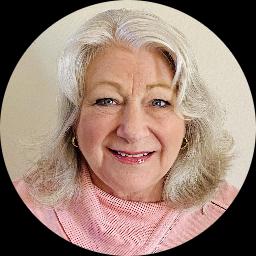
Therapist profile
Mark Callaway, BACP
Registered with BACP 15 years in practice Online sessions
BACP counsellor - trauma and relationships
About Mark
Mark Callaway is a BACP-registered counsellor based in the United Kingdom with 15 years of direct counselling experience and a longer background working with complex trauma. He helps people facing addiction, relationship problems, trauma and abuse, grief, depression, stress, anxiety and a wide range of related concerns. Sessions are offered in English and focus on practical steps people can try between meetings.
Mark uses short‑ and long‑term counselling depending on need.
Background and approach
He draws on Cognitive Behavioural Therapy (CBT) alongside Acceptance and Commitment Therapy (ACT) and attachment-based work. That means he often looks at unhelpful thoughts and patterns, and at how values and relationships shape choices. He has worked across many settings including residential childcare, community mental health, substance misuse services and family outreach.
He routinely collaborates with GPs, hospitals, schools and other care providers when that helps the person he is working with. His background includes social work in adult mental health as well as psychotherapy practice. Typical work involves clear, practical goals and steps to test different ways of responding.
He has supported people with rebuilding trust after domestic violence, managing crisis, and repairing parent-child connections in adoption situations. Sessions may focus on reducing immediate distress or on longer-term coping skills. Appointments are usually in the evenings and offered in a range of formats.
The service uses a subscription model that can be cancelled at any time. To begin, people complete a short matching questionnaire and schedule a first session.
What Mark works with
The areas Mark lists on their profile, in their own terms. If what you would like to work on is not on the list, it is fine to ask about it.
- Addictions
- Relationship issues
- Trauma and abuse
- Grief
- Depression
- Stress, Anxiety
- LGBT
- Family conflicts
- Intimacy-related issues
- Eating disorders
- Sleeping disorders
- Parenting issues
- Anger management
- Self esteem
- Career difficulties
- Bipolar disorder
- Coping with life changes
- Coaching
- Compassion fatigue
- ADHD
- Abandonment
- Adoption and foster care
- Aging and geriatric issues
- Antisocial personality
- Attachment issues
- Autism and Asperger Syndrome
- Avoidant personality
- BDSM, kink, and alternative sex culture
- Blended family issues
- Body image
- Cancer
- Caregiver issues and stress
- Chronic pain, illness, and disability
- Co-morbidity
- Codependency
- Commitment issues
- Communication problems
- Control issues
- Coping with natural or human-caused disaster
- Dependent personality
- Disruptive Mood Dysregulation Disorder (DMDD)
- Dissociation
- Divorce and separation
- Domestic violence
- Drug and alcohol addiction
- Eating and food-related issues
- Emptiness
- Family of origin issues
- Family problems
- Fatherhood issues
- Fertility issues
- First responder issues
- Forgiveness
- Gender dysphoria
- Guilt and shame
- Hearing impaired
- HIV / AIDS
- Hoarding
- Hospice and end-of-life counselling
- Immigration issues
- Impulsivity
- Infidelity
- Intellectual disability
- Isolation / loneliness
- Jealousy
- Life purpose
- Men's issues
- Midlife crisis
- Veteran and Armed Forces Issues
- Money and financial issues
- Mood disorders
- Multicultural concerns
- Narcissism
- Obsessions, compulsions, and OCD
- Panic disorder and panic attacks
- Paranoia
- Personality disorders
- Phobias
- Polyamory / non-monogamous relationships
- Postpartum depression
- Post-traumatic stress
- Pregnancy and childbirth
- Prejudice and discrimination
- Process addiction (porn, exercise, gambling)
- Seasonal Affective Disorder (SAD)
- Self-harm
- Self-love
- Sex addiction
- Sexual assault and abuse
- Sexual dysfunction
- Sexuality
- Smoking / vaping cessation
- Social anxiety and phobia
- Somatization
- Traumatic brain injury
- Trichotillomania
- Visually impaired
- Women's issues
- Workplace issues
- Young adult issues
Methods Mark lists
- Cognitive Behavioural Therapy (CBT)
- Acceptance and Commitment Therapy (ACT)
- Attachment-Based Therapy
- Client-Centred Therapy
- Emotionally-Focused Therapy (EFT)
- Existential Therapy
- Hypnotherapy
- Mindfulness Therapy
- Motivational Interviewing
- Narrative Therapy
- Psychodynamic Therapy
- Solution-Focused Therapy
- Somatic Therapy
- Trauma-Focused Therapy
- Internal Family Systems
Listing an approach is not evidence of training in it. This directory shows what each therapist names and does not check training records.
How his therapeutic approaches work online
Mark combines Cognitive Behavioural Therapy and Acceptance and Commitment Therapy alongside attachment-based work. CBT focuses on spotting unhelpful thoughts and behaviours and trying concrete changes. It is often used for anxiety, depression and problems with habits or sleep. ACT looks at values and actions, helping people notice what matters and take steps even when emotions are strong. Attachment-based work examines relationship patterns and how early bonds affect current connections.Finding the right approach is part of the process. He will work collaboratively to pick methods that match the person's goals and preferences. That means trying practical exercises, reviewing what helps, and adjusting the plan as needed.
The biography lists video, telephone, instant messaging, walking therapy and face-to-face sessions. Confirm the exact session options when booking so they fit your routine. Online sessions can make it easier to fit therapy around work, reduce travel time and allow shorter check-ins when needed. Different formats suit different tasks - for example, video supports in-depth conversation while telephone or messaging can be useful for brief updates or when bandwidth is limited.
We will earn a commission if you sign up through our link, at no cost to you. It does not change what you pay or the order of the listings.
Questions people ask about Mark
What concerns does he work with most often?
He works with addiction, relationship problems, trauma and abuse, grief, depression, anxiety and related issues such as parenting, sleep and eating concerns.
How does he use Cognitive Behavioural Therapy?
He uses CBT to identify unhelpful thoughts and habits and to test practical changes. Sessions often include specific exercises to try between meetings.
What professional background does he have?
He has 15 years of counselling experience and significant work with complex trauma, plus practice as a social worker in adult mental health.
Where is he based and what are his credentials?
He is based in the United Kingdom and is registered with the British Association for Counselling and Psychotherapy (BACP).
Which languages and international arrangements are supported?
Sessions are offered in English. He does not accept international clients at this time.
What session formats does he offer?
He offers face-to-face sessions, walking therapy, video, telephone and instant messaging according to individual preference; confirm current session options before booking.
How are sessions paid for and what does it cost?
Costs vary with location and the service uses a subscription that can be cancelled at any time.
How do I start a first session?
Select the See online therapy options button, complete a short matching questionnaire, and schedule a first session.