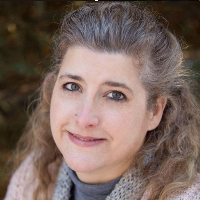
Therapist profile
Mark Mikyska, LCPC
Licensed in Illinois 18 years in practice Online sessions
LCPC in Illinois - anxiety and trauma
About Mark
Mark Mikyska is an Illinois Licensed Clinical Professional Counselor (LCPC) with 18 years of experience in therapy and crisis work. He works with people dealing with depression, anxiety, trauma and abuse, family and relationship concerns, and other stress-related issues. He also helps with addiction, grief, sleep problems, career questions, ADHD, bipolar concerns, and caregiver or first responder stress.
He uses a mix of practical approaches, including Cognitive Behavioral Therapy (CBT), mindfulness practices, psychodynamic ideas, trauma-focused work, and existential questions.
Background and approach
Sessions focus on noticing unhelpful thoughts and habits, trying different ways of responding, and addressing patterns that keep problems going. He also brings attention to emotional impacts from past experiences and how they show up now. In session he offers a conversational and interactive style.
He listens for patterns in thoughts, behaviors, and relationships, and then tests small changes to see what helps. Mindfulness is used to increase awareness of reactions and to make choices more deliberate rather than automatic. He has experience in crisis settings and with people affected by emotional abuse and veteran-related issues from his time working in the Chicago area.
That background informs practical skills for coping with intense stress and for stabilizing daily routines. Mark encourages clients to develop skills they can use between sessions. He frames therapy as a place to practice new habits, track what works, and adjust strategies over time.
To start, he asks people to describe their main concerns and goals so work can be focused and measurable.
What Mark works with
The areas Mark lists on their profile, in their own terms. If what you would like to work on is not on the list, it is fine to ask about it.
- Stress, Anxiety
- Family conflicts
- Trauma and abuse
- Self esteem
- Depression
- Addictions
- Relationship issues
- Grief
- Intimacy-related issues
- Sleeping disorders
- Parenting issues
- Anger management
- Career difficulties
- Bipolar disorder
- Coping with life changes
- Compassion fatigue
- ADHD
- Abandonment
- Aging and geriatric issues
- Caregiver issues and stress
- Chronic pain, illness, and disability
- Communication problems
- Control issues
- Coping with natural or human-caused disaster
- Dissociation
- Domestic violence
- Emptiness
- Fatherhood issues
- First responder issues
- Forgiveness
- Guilt and shame
- Isolation / loneliness
- Life purpose
- Men's issues
- Midlife crisis
- Veteran and Armed Forces Issues
- Money and financial issues
- Mood disorders
- Obsessions, compulsions, and OCD
- Panic disorder and panic attacks
- Phobias
- Post-traumatic stress
- Seasonal Affective Disorder (SAD)
- Self-harm
- Self-love
- Social anxiety and phobia
- Workplace issues
Methods Mark lists
- Cognitive Behavioral Therapy (CBT)
- Existential Therapy
- Mindfulness Therapy
- Psychodynamic Therapy
- Trauma-Focused Therapy
- Internal Family Systems
Listing an approach is not evidence of training in it. This directory shows what each therapist names and does not check training records.
How his approaches translate to online work
CBT focuses on identifying and changing unhelpful thoughts and behaviors. Online sessions can use structured exercises, thought records, and between-session homework in the same way as in-person work to address anxiety, depression, and stress-related problems.Mindfulness therapy teaches present-moment awareness and simple attention practices. In remote sessions this often means guided exercises, check-ins about practice, and short breathing or noticing techniques to help manage reactivity and sleep issues.
Finding the right approach is part of the work. He will collaborate with each person to decide which methods to emphasize based on their goals, symptoms, and daily routines. That selection can change as progress is made and new issues appear.
The profile does not list specific session formats, so confirm available options before booking. Online sessions can make it easier to fit therapy into a busy schedule, allow shorter check-ins when needed, and reduce travel time. The therapist will explain which formats he offers and help schedule times that work with everyday life.
We will earn a commission if you sign up through our link, at no cost to you. It does not change what you pay or the order of the listings.
Questions people ask about Mark
What kinds of problems does he focus on?
He works with depression, anxiety, trauma and abuse, relationship and family concerns, addiction, grief, sleep problems, ADHD, bipolar concerns, and stress from caregiving or first responder roles.
How does he use Cognitive Behavioral Therapy in sessions?
He uses CBT to help people notice unhelpful thoughts and habits and to test small behavioral changes. Sessions often include practical exercises to try between meetings.
What background and experience does he bring?
He has 18 years of experience as a therapist and crisis worker in the Chicago area, including work with people affected by trauma, emotional abuse, and veteran-related issues.
Where is his practice based and what credential does he hold?
He is an Illinois Licensed Clinical Professional Counselor, credential shown as LCPC, and practices in Illinois.
What languages are supported for sessions?
Sessions are offered in English.
Can people outside the United States work with him?
International clients are not currently accepted.
How are session formats arranged?
Please confirm current session formats before booking, as the profile does not list specific formats. The therapist will provide details when arranging the first meeting.
How much do sessions cost and how does billing work?
Costs vary by location and the practice uses a subscription model that can be canceled at any time. Exact pricing is provided during the sign-up process.