Therapist profile
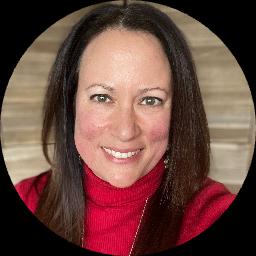
Michelle Boyles, LCSW
Licensed in Florida 25 years in practice Online sessions
LCSW - stress and addiction focus
About Michelle
Michelle Boyles, LCSW, has more than 25 years of experience in mental health and substance abuse counseling. She holds a Master of Social Work from Georgia State University and a Bachelor’s degree in psychology from Penn State University. Michelle has been a master's-level licensed therapist since 2001 and has held her Florida Licensed Clinical Social Worker credential since 2012.
She works with people facing stress, anxiety, addiction, trauma and abuse, mood disorders, relationship problems, and major life changes.
Background and approach
Michelle uses clear, practical methods to help people notice unhelpful thoughts and try different responses. She focuses on teaching coping skills, building insight, and offering straightforward strategies clients can practice between sessions. Sessions emphasize skills people can use day to day to manage symptoms and handle difficult situations.
Her background includes inpatient crisis stabilization, residential programs, and outpatient therapy work. She has experience with children, teens, adults, and geriatric clients across those settings, and has worked with individuals, couples, and families. Over the years she has treated substance use issues, personality and mood disorders, family conflict, and trauma-related problems.
Michelle integrates Cognitive Behavioral Therapy with client-centered techniques, Dialectical Behavior Therapy skills, mindfulness practices, and motivational interviewing. That mix supports both short-term problem solving and longer-term skill building. She aims to help people gain education, new strategies, and clearer choices when stress, grief, addiction, or relationship strain make daily life harder.
People considering work with Michelle are encouraged to review how she structures sessions and to use the intake steps to match goals with practical approaches.
What Michelle works with
The areas Michelle lists on their profile, in their own terms. If what you would like to work on is not on the list, it is fine to ask about it.
- Stress, Anxiety
- Addictions
- Family conflicts
- Trauma and abuse
- Coping with life changes
- LGBT
- Relationship issues
- Grief
- Anger management
- Self esteem
- Career difficulties
- Bipolar disorder
- Depression
- Compassion fatigue
- Abandonment
- Aging and geriatric issues
- Caregiver issues and stress
- Co-morbidity
- Codependency
- Communication problems
- Domestic violence
- Drug and alcohol addiction
- Family of origin issues
- Family problems
- Forgiveness
- Guilt and shame
- Impulsivity
- Isolation / loneliness
- Life purpose
- Men's issues
- Midlife crisis
- Mood disorders
- Obsessions, compulsions, and OCD
- Panic disorder and panic attacks
- Personality disorders
- Postpartum depression
- Post-traumatic stress
- Seasonal Affective Disorder (SAD)
- Self-harm
- Sexual assault and abuse
- Social anxiety and phobia
- Women's issues
Methods Michelle lists
- Cognitive Behavioral Therapy (CBT)
- Client-Centered Therapy
- Dialectical Behavior Therapy (DBT)
- Mindfulness Therapy
- Motivational Interviewing
- Solution-Focused Therapy
- Trauma-Focused Therapy
Listing an approach is not evidence of training in it. This directory shows what each therapist names and does not check training records.
How Michelle uses structured approaches in online care
Michelle commonly draws on Cognitive Behavioral Therapy to help people identify and change unhelpful thoughts and behaviors. CBT sessions tend to include concrete exercises, short practice tasks, and clear goals, which can be useful for anxiety, depression, and stress-related problems.She also uses Client-Centered Therapy, which focuses on listening and supporting the client’s own problem solving. That approach helps people feel heard while they clarify values and set personal goals. Dialectical Behavior Therapy skills are used for emotion regulation, distress tolerance, and improving interpersonal effectiveness through step-by-step skill practice.
Finding the right approach is part of the work. She will collaborate with each person to decide which methods fit their needs, goals, and preferences. That collaborative process can include trying different techniques and tracking what helps most.
If you want to know which session formats she offers, please confirm current options before booking. The practical advantages of working with a licensed professional online include easier scheduling around work and caregiving, the ability to use shorter check-ins when needed, and fitting sessions into everyday routines without long travel. These factors make it simpler to practice skills regularly and follow up on progress.
We will earn a commission if you sign up through our link, at no cost to you. It does not change what you pay or the order of the listings.
Questions people ask about Michelle
What kinds of problems does she help with most often?
She helps people with stress, anxiety, addictions, mood disorders, trauma and life changes, plus relationship and family concerns.
How would she describe her therapeutic style?
Her style mixes practical skills teaching with client-centered conversation and problem-solving. Sessions focus on noticing thoughts and trying new ways of responding.
How much clinical experience does she have?
She has worked in mental health and substance abuse counseling for more than 25 years and has been a licensed therapist since 2001.
What are her credentials and location?
She is an LCSW licensed in Florida and practices from Florida-based services.
Which languages are supported for sessions?
Sessions are offered in English.
Can international clients work with her?
She does not accept international clients at this time.
How does payment and cost work?
Cost varies with location and sessions use a subscription model that can be canceled at any time.
What are the first steps to begin?
Use the See online therapy options button, complete the short matching questionnaire, and schedule a first session.