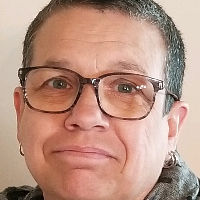
Therapist profile
Michelle Yang, ACA
Registered with ACA 9 years in practice Online sessions
ACA counsellor - Stress and anxiety
About Michelle
Michelle Yang is an ACA counsellor with nine years of professional experience based in Australia. She helps people manage stress and anxiety, cope with addictions, and navigate career difficulties. She also supports concerns such as grief, low self-esteem, sleep problems and relationship and intimacy issues.
Michelle uses straightforward, skills-based methods in sessions. She works with clients to notice unhelpful thoughts and test different ways of responding. Sessions tend to focus on practical steps and short-term strategies people can try between meetings.
Background and approach
Her approach draws on Cognitive Behavioural Therapy, Acceptance and Commitment Therapy and Attachment-Based ideas. That means attention to thoughts, behaviours and values, and to how early relationships affect current patterns. She mixes talking, skill practice and plain explanations about what to try next.
Michelle has worked across many common concerns including parenting strain, caregiver stress, chronic illness and issues around adoption and attachment. She also supports those dealing with trauma symptoms, compassion fatigue and co-morbidity where multiple health concerns overlap. Sessions are conducted in English and in Chinese dialects - Mandarin and Cantonese.
The first meeting is used to clarify immediate goals, agree on steps to try, and plan follow-up sessions. People are encouraged to use the practical techniques discussed between appointments.
What Michelle works with
The areas Michelle lists on their profile, in their own terms. If what you would like to work on is not on the list, it is fine to ask about it.
- Stress, Anxiety
- Addictions
- Relationship issues
- Career difficulties
- Coping with life changes
- Family conflicts
- Trauma and abuse
- Grief
- Intimacy-related issues
- Sleeping disorders
- Parenting issues
- Anger management
- Self esteem
- Depression
- Coaching
- Compassion fatigue
- ADHD
- Abandonment
- Adoption and foster care
- Aging and geriatric issues
- Attachment issues
- Blended family issues
- Body image
- Cancer
- Caregiver issues and stress
- Chronic pain, illness, and disability
- Co-morbidity
- Codependency
- Commitment issues
- Communication problems
- Control issues
- Coping with natural or human-caused disaster
- Dependent personality
- Disruptive Mood Dysregulation Disorder (DMDD)
- Dissociation
- Divorce and separation
- Domestic violence
- Drug and alcohol addiction
- Eating and food-related issues
- Emptiness
- Family of origin issues
- Family problems
- Fatherhood issues
- Fertility issues
- Forgiveness
- Guilt and shame
- Hospice and end-of-life counselling
- Immigration issues
- Impulsivity
- Infidelity
- Intellectual disability
- Isolation / loneliness
- Jealousy
- Life purpose
- Midlife crisis
- Money and financial issues
- Mood disorders
- Multicultural concerns
- Obsessions, compulsions, and OCD
- Panic disorder and panic attacks
- Personality disorders
- Phobias
- Postpartum depression
- Post-traumatic stress
- Pregnancy and childbirth
- Prejudice and discrimination
- Self-harm
- Self-love
- Sexual assault and abuse
- Smoking / vaping cessation
- Social anxiety and phobia
- Women's issues
- Workplace issues
- Young adult issues
Methods Michelle lists
- Cognitive Behavioural Therapy (CBT)
- Acceptance and Commitment Therapy (ACT)
- Attachment-Based Therapy
- Client-Centred Therapy
- Dialectical Behaviour Therapy (DBT)
- Emotionally-Focused Therapy (EFT)
- Existential Therapy
- Gottman Method
- Mindfulness Therapy
- Motivational Interviewing
- Narrative Therapy
- Psychodynamic Therapy
- Solution-Focused Therapy
- Somatic Therapy
- Trauma-Focused Therapy
- Internal Family Systems
Listing an approach is not evidence of training in it. This directory shows what each therapist names and does not check training records.
How Michelle uses structured approaches in online sessions
Michelle commonly draws on Cognitive Behavioural Therapy to identify unhelpful thoughts and behaviours and to set clear experiments clients can try between sessions. CBT is useful for anxiety, mood and sleep difficulties because it links thinking patterns with actions and outcomes.She also uses Acceptance and Commitment Therapy to help people clarify personal values and commit to small, manageable actions. ACT supports coping with difficult feelings while moving toward a meaningful life. Attachment-Based ideas are used to look at relationship patterns and how early bonds shape present responses, helping people change interaction habits.
Choosing the right approach is part of the work. The therapist will discuss goals, preferences and practical needs, and together they will decide which methods to try first. That collaborative planning can be adjusted as progress is made.
Session formats are not specified here, so confirm current options before booking. Online sessions can make it easier to fit meetings around work or family commitments, reduce travel time and allow shorter check-ins when needed. If a quieter space, less screen time or a quicker phone conversation suits a particular week, discuss those practical options when arranging appointments.
We will earn a commission if you sign up through our link, at no cost to you. It does not change what you pay or the order of the listings.
Questions people ask about Michelle
What kinds of problems does she help with?
She works with stress, anxiety, addictions, relationship and career difficulties, plus grief, sleep problems, low self-esteem and related concerns.
How does she work with CBT in sessions?
She uses Cognitive Behavioural Therapy to help people spot unhelpful thoughts and test different responses. Sessions include practical exercises and homework to change thinking and behaviour patterns.
What experience does she have?
She has nine years of professional experience working with a wide range of adult concerns and life stresses.
What credential does she hold and where is she based?
She is credentialed with the Australian Counselling Association (ACA) and practises in Australia.
Which languages are supported?
Sessions are offered in English, Mandarin and Cantonese.
Can international clients work with her?
International clients are not currently accepted; sessions are provided for people in Australia.
How are fees and payments handled?
Cost varies by location and sessions use a subscription model that can be cancelled at any time.
What should I do to start a first session?
Select the See online therapy options button, complete the short matching questionnaire, and schedule a first session.