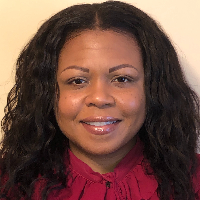
Therapist profile
Patricia Karl, LMHC
Licensed in Florida 16 years in practice Online sessions
LMHC in Florida - anxiety and trauma focus
About Patricia
Patricia Karl is a Licensed Mental Health Counselor (LMHC) in Florida with 16 years of clinical experience. She works with adults who are dealing with stress, anxiety, trauma and abuse, depression, addictions, grief, and relationship or intimacy-related concerns. Patricia often sees people who feel stuck in repeating patterns or overwhelmed by major life changes.
She uses Cognitive Behavioral Therapy (CBT) alongside client-centered and psychodynamic ideas to help people notice unhelpful thoughts and habits.
Background and approach
Patricia also integrates Eye Movement Desensitization and Reprocessing (EMDR) and solution-focused techniques when they fit a person’s goals. Her approach is practical and collaborative, with an emphasis on recognizing patterns and trying different ways of responding. In sessions she helps people map where patterns come from and then build specific skills to change them.
That can include thought records, behavioral experiments, and short-term goal work that focuses on what is most pressing. For trauma-related concerns she may use EMDR methods in addition to work that addresses attachment and nervous system regulation. Patricia explains options clearly and works with each person to choose what to try next.
She frames therapy as a step-by-step process - small changes that add up. People can expect straightforward discussion of patterns, concrete practice between meetings, and regular review of progress. She practices in Florida and conducts work in English.
To begin, readers are asked to follow the site prompts to complete a short match questionnaire and schedule an initial session.
What Patricia works with
The areas Patricia lists on their profile, in their own terms. If what you would like to work on is not on the list, it is fine to ask about it.
- Stress, Anxiety
- Trauma and abuse
- Depression
- Addictions
- Family conflicts
- Grief
- Intimacy-related issues
- Anger management
- Self esteem
- Coping with life changes
- Abandonment
- Attachment issues
- Blended family issues
- Caregiver issues and stress
- Chronic pain, illness, and disability
- Co-morbidity
- Codependency
- Commitment issues
- Communication problems
- Control issues
- Dependent personality
- Disruptive Mood Dysregulation Disorder (DMDD)
- Dissociation
- Divorce and separation
- Emptiness
- Family of origin issues
- Family problems
- Forgiveness
- Guilt and shame
- Impulsivity
- Isolation / loneliness
- Jealousy
- Life purpose
- Midlife crisis
- Money and financial issues
- Mood disorders
- Panic disorder and panic attacks
- Post-traumatic stress
- Self-love
- Sexual assault and abuse
- Social anxiety and phobia
- Workplace issues
Methods Patricia lists
- Cognitive Behavioral Therapy (CBT)
- Client-Centered Therapy
- Eye Movement Desensitization and Reprocessing (EMDR)
- Psychodynamic Therapy
- Solution-Focused Therapy
- Somatic Therapy
- Trauma-Focused Therapy
- Internal Family Systems
Listing an approach is not evidence of training in it. This directory shows what each therapist names and does not check training records.
How CBT, client-centered work, and EMDR translate to online sessions
CBT focuses on identifying specific thoughts and behaviors, then testing small changes through experiments and practice. It is useful for anxiety, depression, stress, and many everyday patterns that cause distress. Client-centered work emphasizes listening and reflection to help a person clarify goals and make choices that feel right for them. EMDR methods involve structured processing of trauma memories and related sensations when that approach fits the person's needs.Choosing the right approach is part of the process. The therapist will collaborate with the person to decide which methods to try based on goals, symptoms, and preferences. That collaborative planning can include combining CBT skill work with EMDR methods or with reflective client-centered sessions when helpful.
The biography does not list specific online session formats, so confirm current options before booking. In general, online sessions can make it easier to fit therapy into a busy week by removing travel time, allowing shorter check-ins when needed, and enabling sessions from quieter surroundings. Licensed professionals can use a mix of structured skill-building, brief goal-focused meetings, and longer sessions for processing trauma depending on what the person and therapist agree will work best.
We will earn a commission if you sign up through our link, at no cost to you. It does not change what you pay or the order of the listings.
Questions people ask about Patricia
What kinds of concerns does she address?
She works with stress, anxiety, trauma and abuse, depression, addictions, grief, anger, self-esteem, intimacy-related issues, and coping with life changes.
How does she use Cognitive Behavioral Therapy?
CBT is used to identify unhelpful thoughts and habits and to try behavioral experiments and thought records to change them.
What experience does she have?
She has 16 years of experience working with adults on trauma, anxiety, relationship challenges, and life transitions.
What credentials and location apply to her practice?
She holds the LMHC credential and practices in Florida.
In which language are sessions offered?
Sessions are offered in English and international clients are not currently accepted.
What session formats are available?
The biography does not list session formats explicitly; please confirm current session options before booking.
How are sessions priced?
Cost varies with location; sessions use a subscription model that can be canceled at any time.
How do I get started with her?
Select the See online therapy options button, complete the short matching questionnaire, and schedule a first session.