Therapist profile
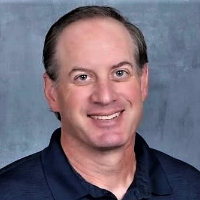
Richard Watson, LCPC
Licensed in Illinois 9 years in practice Online sessions
Illinois LCPC - Anxiety and Addiction
About Richard
Richard Watson is an Illinois Licensed Clinical Professional Counselor (LCPC) with nine years of clinical experience helping people with mood and substance use concerns. He works with people dealing with anxiety, depression, addiction, trauma and related issues such as anger, grief, sleep problems, and low self-esteem. Sessions are offered in English and international clients are accepted.
His practice centers on Cognitive Behavioral Therapy (CBT) alongside Acceptance and Commitment Therapy (ACT) and mindfulness-based methods.
Background and approach
He breaks problems down into thoughts, behaviors, and routines, and then works with people to test different responses. That means noticing unhelpful thoughts, trying small behavior changes, and tracking what helps over time. Richard uses a trauma-informed stance.
He pays attention to how past events and resilience shape current reactions. He also draws on motivational interviewing when people are ambivalent about change, and solution-focused techniques to set short-term, practical goals. In sessions he encourages openness and direct conversation about what is difficult.
He asks people to try tasks between meetings and to report back what worked. Therapy can be uncomfortable at times, and he prepares people for that while keeping the work concrete and goal-oriented. Richard commonly addresses caregiver stress, codependency, communication and control issues, addiction, impulsivity, isolation, and questions about life purpose and meaning.
He helps people practice new habits and clearer thinking to manage everyday problems and stressful transitions.
What Richard works with
The areas Richard lists on their profile, in their own terms. If what you would like to work on is not on the list, it is fine to ask about it.
- Stress, Anxiety
- Addictions
- Trauma and abuse
- Anger management
- Depression
- Family conflicts
- Grief
- Intimacy-related issues
- Sleeping disorders
- Self esteem
- Bipolar disorder
- Coping with life changes
- Compassion fatigue
- ADHD
- Caregiver issues and stress
- Codependency
- Communication problems
- Control issues
- Coping with natural or human-caused disaster
- Drug and alcohol addiction
- Forgiveness
- Guilt and shame
- Impulsivity
- Isolation / loneliness
- Life purpose
- Men's issues
- Veteran and Armed Forces Issues
- Mood disorders
- Obsessions, compulsions, and OCD
- Panic disorder and panic attacks
- Paranoia
- Post-traumatic stress
- Self-love
- Social anxiety and phobia
- Young adult issues
Methods Richard lists
- Cognitive Behavioral Therapy (CBT)
- Acceptance and Commitment Therapy (ACT)
- Mindfulness Therapy
- Motivational Interviewing
- Solution-Focused Therapy
- Trauma-Focused Therapy
Listing an approach is not evidence of training in it. This directory shows what each therapist names and does not check training records.
How CBT, ACT, and Mindfulness translate to online work
Richard commonly uses Cognitive Behavioral Therapy, Acceptance and Commitment Therapy, and mindfulness-based methods. CBT focuses on spotting unhelpful thoughts and changing behaviors through small experiments and practice. It works well for anxiety, depression, and many everyday patterns that cause distress. ACT emphasizes values and committed action, helping people accept difficult feelings while still moving toward chosen goals. Mindfulness methods train attention and present-moment noticing to reduce reactivity and improve sleep and focus.Choosing the right approach is a collaborative process. The therapist will review goals, preferences, and what has or hasn’t helped before. Together they decide which methods to emphasize and adjust the plan as progress is tracked during sessions.
The biography does not list specific online formats, so confirm available session options before booking. In general, online sessions can make it easier to fit meetings into a workday, reduce travel time, or allow a shorter check-in when schedules are tight. They also let people practice skills in the settings where problems occur. Ask about the exact session format when scheduling so the meeting type matches your needs.
We will earn a commission if you sign up through our link, at no cost to you. It does not change what you pay or the order of the listings.
Questions people ask about Richard
What kinds of concerns does he address most often?
He focuses on mood disorders like anxiety and depression, substance use issues, trauma and related problems such as anger, grief, sleep difficulties, and low self-esteem.
How does he use CBT in sessions?
He uses CBT to identify unhelpful thoughts and behaviors, then helps people test and replace them with more effective responses through practical exercises and homework.
What is his clinical background and experience?
He holds an Illinois LCPC credential and has nine years of clinical experience working with mood and substance use concerns and trauma-informed care.
Where is he based and what credential does he hold?
He is based in Illinois and practices as an LCPC in that state.
Which languages are supported for sessions?
Sessions are offered in English and he accepts international clients.
What session formats are offered?
The original biography does not list specific session formats; please confirm current online or in-person options before scheduling.
How does payment or cost work?
Cost varies with location and sessions use a subscription that can be canceled at any time.
How do I begin working with him?
Select the See online therapy options button, complete a short matching questionnaire, and schedule a first session.