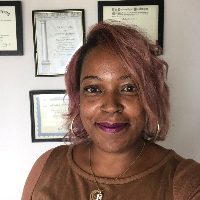
Therapist profile
Robin Greenwood, LPC
Licensed in Louisiana 15 years in practice Online sessions
Licensed Professional Counselor - Anxiety and Trauma
About Robin
Robin Greenwood is a Licensed Professional Counselor (LPC) in Louisiana with 15 years of clinical experience. She focuses on stress, anxiety, trauma and abuse, grief, depression, self-esteem, addictions, LGBT concerns, relationship and intimacy issues, and parenting-related strain. Robin uses clear, practical methods to help people notice unhelpful thoughts and habits.
She blends Cognitive Behavioral Therapy with client-centered and attachment-informed approaches. Sessions aim to identify patterns, test small changes, and build skills for everyday life.
Background and approach
Her work often addresses problems tied to family of origin, abandonment and attachment issues, blended family challenges, and communication breakdowns. She also supports people dealing with body image, eating and food-related issues, codependency, and caregiver stress. Robin takes a direct, action-oriented stance when clients want concrete steps to try between sessions.
Clients can expect conversations that focus on current problems and workable strategies. She draws on Dialectical Behavior Therapy and Emotionally-Focused Therapy techniques when emotional regulation or relationship patterns are central. The emphasis stays on practical tools and clearer ways of relating to oneself and others.
Robin accepts international clients and runs work in English. She describes her practice as centered on helping people manage life transitions, cope with loss, and address sustained stress. To begin, prospective clients complete a short matching questionnaire and schedule an initial session using the online therapy options button.
What Robin works with
The areas Robin lists on their profile, in their own terms. If what you would like to work on is not on the list, it is fine to ask about it.
- Stress, Anxiety
- Trauma and abuse
- Grief
- Self esteem
- Depression
- Addictions
- LGBT
- Relationship issues
- Family conflicts
- Intimacy-related issues
- Eating disorders
- Parenting issues
- Anger management
- Bipolar disorder
- Coping with life changes
- Compassion fatigue
- Abandonment
- Attachment issues
- Blended family issues
- Body image
- Caregiver issues and stress
- Codependency
- Commitment issues
- Communication problems
- Control issues
- Coping with natural or human-caused disaster
- Dissociation
- Divorce and separation
- Eating and food-related issues
- Emptiness
- Family of origin issues
- Family problems
- Fatherhood issues
- First responder issues
- Gender dysphoria
- Guilt and shame
- HIV / AIDS
- Hospice and end-of-life counseling
- Immigration issues
- Isolation / loneliness
- Jealousy
- Life purpose
- Men's issues
- Midlife crisis
- Mood disorders
- Multicultural concerns
- Panic disorder and panic attacks
- Paranoia
- Phobias
- Postpartum depression
- Post-traumatic stress
- Prejudice and discrimination
- Seasonal Affective Disorder (SAD)
- Self-harm
- Self-love
- Sexual assault and abuse
- Sexuality
- Social anxiety and phobia
- Women's issues
- Workplace issues
- Young adult issues
Methods Robin lists
- Cognitive Behavioral Therapy (CBT)
- Attachment-Based Therapy
- Client-Centered Therapy
- Dialectical Behavior Therapy (DBT)
- Emotionally-Focused Therapy (EFT)
- Existential Therapy
- Jungian Therapy
- Mindfulness Therapy
- Psychodynamic Therapy
- Solution-Focused Therapy
- Trauma-Focused Therapy
- Internal Family Systems
Listing an approach is not evidence of training in it. This directory shows what each therapist names and does not check training records.
How Robin integrates core approaches in online sessions
Robin commonly uses Cognitive Behavioral Therapy to help people spot unhelpful thoughts and try practical behavior changes to reduce symptoms. CBT is useful for anxiety, depression, and repeating habits that cause distress.She also draws on Attachment-Based Therapy to look at early relationship patterns and how they show up in current connections. This approach can help when people notice recurring trust, abandonment, or intimacy problems. In addition, client-centered methods provide a straightforward focus on the client's goals and priorities rather than a therapist-led agenda.
Finding the best approach is a collaborative process. Robin will discuss goals and try methods that fit the client's needs and preferences. She adjusts focus over time if different skills or perspectives seem more helpful.
Practical benefits of working online include fitting sessions into a busy day and keeping progress steady when travel or schedules make in-person work harder. Because the biography does not list session formats, confirm the current online session options before booking. Many people appreciate the convenience of remote sessions for shorter check-ins, regular skill practice, or maintaining momentum through life changes.
We will earn a commission if you sign up through our link, at no cost to you. It does not change what you pay or the order of the listings.
Questions people ask about Robin
What concerns does Robin most often help with?
She helps with stress, anxiety, trauma and abuse, grief, depression, self-esteem, addictions, LGBT issues, relationship and intimacy concerns, and parenting-related strain.
How does she use Cognitive Behavioral Therapy in sessions?
CBT is used to identify unhelpful thoughts and habits, test small behavior changes, and build practical skills to manage symptoms day to day.
What is her clinical experience?
Robin has 15 years of professional experience working across mood, trauma, identity, and relationship issues.
What credential does she hold and where is she based?
She is a Licensed Professional Counselor (LPC) in Louisiana.
In which language are sessions held and can international clients work together?
Sessions are offered in English and Robin accepts international clients.
What session formats are available?
Please confirm current session options before booking, as formats are not specified in the biography.
How are fees handled?
Costs vary by location and sessions use a subscription that can be canceled at any time.
How do I begin a first session?
Select the See online therapy options button, complete a short matching questionnaire, and schedule a first session.