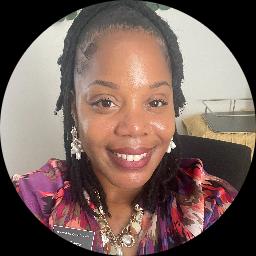
Therapist profile
Suzanne Walker, LCMHC
Licensed in North Carolina 18 years in practice Online sessions
Licensed Clinical Mental Health Counselor - Addictions and Mood
About Suzanne
Suzanne Walker is a Licensed Clinical Mental Health Counselor (LCMHC) practicing in North Carolina with 18 years of experience. She works with people facing stress, anxiety, addictions, mood disorders, and self-esteem concerns. She also lists support for relationship and family difficulties, grief, trauma and abuse, sleep problems, anger, career strain, and ADHD.
Her background includes community mental health, outpatient therapy, and substance use treatment settings. She has provided individual and group counseling and has worked with clients receiving medication assisted therapy.
Background and approach
Her clinical work has included support for people with severe and persistent mental illness and those referred from the legal system. Suzanne uses a mix of practical approaches in sessions. She often draws on Cognitive Behavioral Therapy techniques to notice and change unhelpful thoughts and behaviors.
She combines that with client-centered listening, motivational interviewing, mindfulness practices, and solution-focused strategies to set specific goals and small steps forward. Sessions tend to be straightforward and goal-oriented. She favors video so people can connect visually, but she has also offered telephone and live chat options in the past.
Scheduling has included weekdays, evenings, and some Saturday mornings. Her work emphasizes clear options and next steps for common problems like substance use, depression, anxiety, and coping with health or life transitions. People who prefer practical strategies and stepwise plans may find this approach useful.
What Suzanne works with
The areas Suzanne lists on their profile, in their own terms. If what you would like to work on is not on the list, it is fine to ask about it.
- Stress, Anxiety
- Addictions
- Self esteem
- Bipolar disorder
- Depression
- LGBT
- Relationship issues
- Family conflicts
- Trauma and abuse
- Grief
- Intimacy-related issues
- Sleeping disorders
- Anger management
- Career difficulties
- Compassion fatigue
- ADHD
- Aging and geriatric issues
- Blended family issues
- Body image
- Chronic pain, illness, and disability
- Co-morbidity
- Codependency
- Commitment issues
- Communication problems
- Control issues
- Divorce and separation
- Domestic violence
- Drug and alcohol addiction
- Emptiness
- Family problems
- Forgiveness
- Infidelity
- Isolation / loneliness
- Jealousy
- Life purpose
- Midlife crisis
- Money and financial issues
- Mood disorders
- Multicultural concerns
- Panic disorder and panic attacks
- Personality disorders
- Post-traumatic stress
- Prejudice and discrimination
- Seasonal Affective Disorder (SAD)
- Self-harm
- Self-love
- Social anxiety and phobia
- Visually impaired
- Women's issues
- Workplace issues
Methods Suzanne lists
- Cognitive Behavioral Therapy (CBT)
- Client-Centered Therapy
- Mindfulness Therapy
- Motivational Interviewing
- Solution-Focused Therapy
Listing an approach is not evidence of training in it. This directory shows what each therapist names and does not check training records.
How Suzanne combines practical approaches in online sessions
Client-Centered Therapy focuses on listening and reflecting so the client can clarify priorities and feel heard. It is useful when someone wants to sort through values, relationships, or life changes without being pushed toward a fixed plan.Cognitive Behavioral Therapy (CBT) looks at thoughts, feelings, and behaviors to identify patterns that keep problems going. It helps with anxiety, depression, sleep issues, and habits connected to substance use by setting clear experiments and homework between meetings.
Motivational Interviewing is a brief, conversational approach that supports people who are unsure about change. It helps increase motivation and develop specific next steps, especially around substance use or when starting treatment.
Finding the right approach is part of the work together. The therapist will discuss goals and preferences and suggest which methods to try first. That plan can be adjusted as progress is tracked.
The biography indicates she often uses video and has also used telephone and live chat. Confirm the current session formats before booking so you know what options are available. Online sessions can make it easier to fit therapy into a busy week, allow shorter check-ins when needed, and reduce travel time while keeping focus on concrete steps and skills practice.
We will earn a commission if you sign up through our link, at no cost to you. It does not change what you pay or the order of the listings.
Questions people ask about Suzanne
What kinds of concerns does she address?
She works with stress, anxiety, addictions, bipolar disorder, depression, self-esteem, trauma, grief, relationship and family issues, sleep problems, anger, career stress, ADHD, and related concerns.
How would you describe her therapeutic style?
She uses practical, goal-focused methods such as Cognitive Behavioral Therapy, motivational interviewing, mindfulness, and solution-focused techniques alongside client-centered listening.
How much clinical experience does she have?
She has 18 years of experience across community mental health, outpatient settings, and substance use treatment programs.
What are her credentials and where does she practice?
She is an LCMHC licensed in North Carolina and practices there.
In which language are sessions offered?
Sessions are offered in English.
Can international clients work with her?
International clients are not currently accepted.
How are session costs handled?
Cost varies by location and sessions use a subscription model that can be canceled at any time.
What are the steps to start working with her?
Select the See online therapy options button, complete the short matching questionnaire, and schedule a first session.