Therapist profile
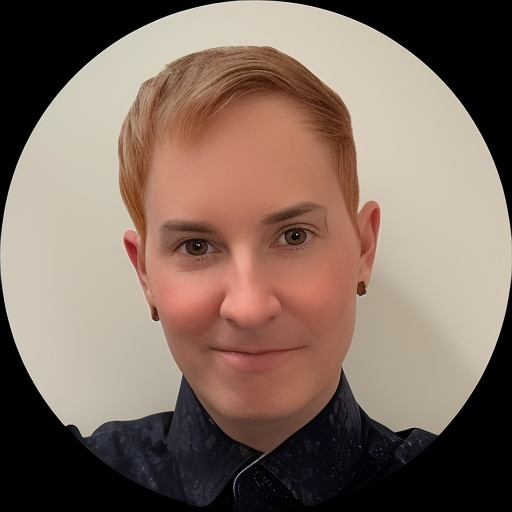
Brandon Barton, LMHC
Licensed in New York 11 years in practice Online sessions
LMHC in New York - Mood and stress concerns
About Brandon
Brandon Barton is a Licensed Mental Health Counselor (LMHC) in New York with 11 years of experience. He helps people cope with stress, anxiety, trauma and abuse, mood concerns such as depression and bipolar disorder, substance-related problems, relationship and family difficulties, grief, and low self-esteem. He works directly and practically in sessions.
He focuses on noticing unhelpful thoughts and habits and testing new ways of responding. Sessions are straightforward and goal-oriented.
Background and approach
Brandon uses approaches such as Cognitive Behavioral Therapy and client-centered work to guide steps people can try between meetings. Before shifting to independent practice he worked in crisis and inpatient behavioral health settings. That included crisis stabilization units and a neuropsychology clinic, where he also developed group programs for people with cognitive change and memory concerns.
Brandon has taken part in research on mood, attachment, immigration experiences, and gender-based violence, and he has presented findings at academic meetings. That background informs how he thinks about patterns people bring to therapy and how those patterns form over time. In sessions he often combines structured CBT-style exercises with reflective client-centered conversation and mindfulness practices.
He also draws on elements from the Gottman Method for relationship work and motivational interviewing when change feels difficult. He uses observable steps and simple experiments so people can track what helps between appointments.
What Brandon works with
The areas Brandon lists on their profile, in their own terms. If what you would like to work on is not on the list, it is fine to ask about it.
- Stress, Anxiety
- LGBT
- Trauma and abuse
- Bipolar disorder
- Depression
- Addictions
- Relationship issues
- Family conflicts
- Grief
- Self esteem
- Coping with life changes
- Compassion fatigue
- Attachment issues
- Chronic pain, illness, and disability
- Co-morbidity
- Communication problems
- Domestic violence
- Drug and alcohol addiction
- Family problems
- Forgiveness
- Gender dysphoria
- HIV / AIDS
- Hoarding
- Isolation / loneliness
- Multicultural concerns
- Obsessions, compulsions, and OCD
- Panic disorder and panic attacks
- Personality disorders
- Phobias
- Post-traumatic stress
- Seasonal Affective Disorder (SAD)
- Self-love
- Sexual assault and abuse
- Smoking / vaping cessation
- Social anxiety and phobia
- Traumatic brain injury
Methods Brandon lists
- Cognitive Behavioral Therapy (CBT)
- Client-Centered Therapy
- Existential Therapy
- Gottman Method
- Mindfulness Therapy
- Motivational Interviewing
- Solution-Focused Therapy
- Trauma-Focused Therapy
Listing an approach is not evidence of training in it. This directory shows what each therapist names and does not check training records.
How his approaches translate to online work
CBT is a practical, skills-based method that helps identify unhelpful thoughts and test new behaviors. It is often used for anxiety, panic, obsessions, mood problems, and many daily stressors through short exercises and homework.Client-centered therapy emphasizes listening and reflecting so people can sort out their priorities and values. It supports clearer decision making and helps when someone needs someone to help organize thoughts and feelings.
Existential therapy looks at meaning, choice, and responsibility in life. It can help when people face big life changes, grief, or questions about identity and direction.
Finding the right mix of methods is part of the work. The therapist will collaborate with each person to choose approaches that fit their needs, goals, and comfort. That collaborative process includes trying structured CBT exercises alongside reflective conversation and adjusting based on what helps.
The biography does not list specific online session formats, so confirm what formats are available before booking. Many people find online sessions helpful because they can fit appointments into work days, reduce travel time, or choose a shorter check-in when needed. Online work can still use CBT exercises, motivational interviewing prompts, and mindfulness practices adapted for remote sessions.
We will earn a commission if you sign up through our link, at no cost to you. It does not change what you pay or the order of the listings.
Questions people ask about Brandon
What concerns does he commonly address?
He supports people with stress, anxiety, trauma and abuse, bipolar and depressive symptoms, addictions, relationship and family issues, grief, and challenges to self-esteem.
How would you describe his therapeutic style?
His style is practical and structured. He uses step-by-step techniques to notice thoughts and habits and then tests alternative responses.
What is his professional background?
He has 11 years of experience, including work in crisis and inpatient behavioral health, a neuropsychology clinic, and group program development for cognitive and memory concerns.
What credentials and location are listed?
He is a Licensed Mental Health Counselor (LMHC), licensed in New York, and practices from New York.
Which languages and international arrangements apply?
Sessions are offered in English. He is not accepting international clients.
What session formats are offered?
The original biography does not list specific session formats. Please confirm current session options before booking.
How is cost handled?
Cost varies with location and sessions use a subscription that can be canceled at any time.
How do I begin working with him?
Select the See online therapy options button, complete a short matching questionnaire, and schedule a first session.